2026 Top Trends in Machining Equipment for the Manufacturing Industry?
The manufacturing industry is constantly evolving. Advances in machining equipment play a crucial role in this change. As we approach 2026, several trends are set to reshape the landscape.
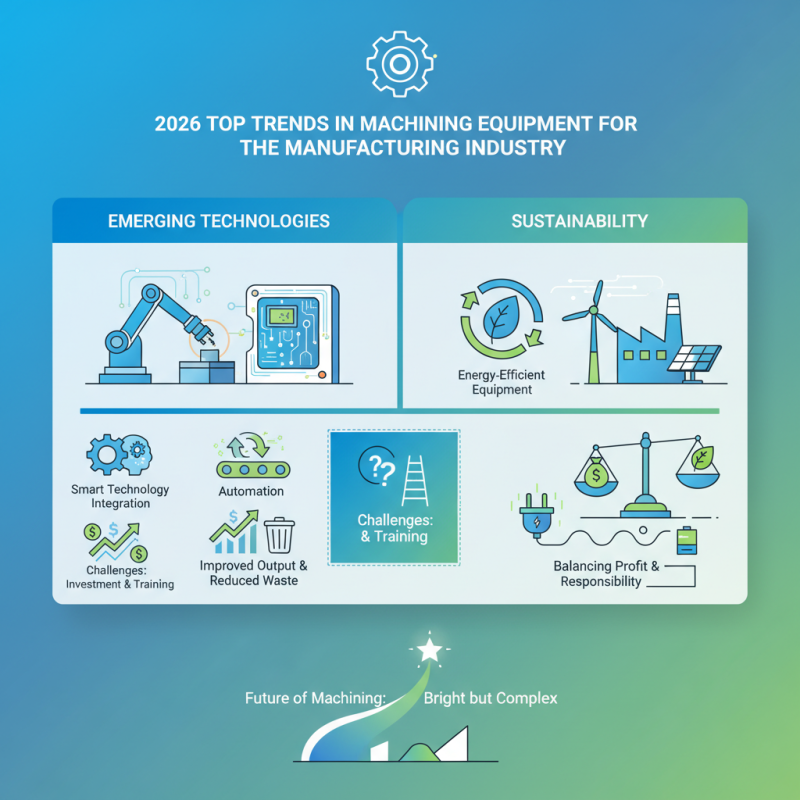
Emerging technologies enhance precision and efficiency. For instance, automation is becoming standard. CNC machines are integrating smart technology. These upgrades lead to improved output and reduced waste. However, there are challenges too. Not all companies can adapt quickly. Investing in new machining equipment requires a significant budget. Additionally, training staff to use advanced systems is crucial.
Sustainability is another key trend. Manufacturers are increasingly focused on eco-friendly practices. This includes choosing energy-efficient machining equipment. Yet, not every manufacturer commits to this shift. Balancing profit and responsibility remains an ongoing struggle. The future of machining equipment is bright, but it comes with complexities that need careful navigation.
Emerging Technologies in Machining Equipment for 2026
Emerging technologies in machining equipment will significantly shape the manufacturing industry by 2026. Industry reports predict a rise in automation and AI integration. CNC machines equipped with machine learning can now adapt to production changes in real time. This shift enhances precision and reduces downtime. A report from a leading manufacturing research firm highlights that 40% of companies are investing in AI-powered machinery.
3D printing is also a pivotal trend. By 2026, it’s expected that around 30% of manufacturing processes will incorporate additive manufacturing. This technology allows for quick prototyping and flexible designs. However, challenges remain. Not all materials are suitable for 3D printing, leading to concerns about durability in some applications.
Tip: Stay updated with industry trends. Attend expos and workshops to grasp new technologies and techniques. Collaboration with experts can provide crucial insights into emerging practices.
Another notable trend is sustainability in machining. As environmental concerns rise, manufacturers are seeking greener equipment. Research indicates that companies leveraging energy-efficient machines can cut operational costs by up to 25%. Yet, sourcing sustainable materials can be a hurdle.
Tip: Evaluate your current machinery. Consider upgrades that reflect both efficiency and environmental responsibility. Involving your team in decision-making can yield diverse perspectives.
Sustainability Trends Influencing the Manufacturing Industry
Sustainability continues to reshape the manufacturing industry in 2026. Companies are prioritizing eco-friendly practices more than ever. They aim to reduce emissions and waste, yet challenges persist. The shift towards renewable energy sources is significant. But integrating these changes can be costly and complex.
Many manufacturers are adopting sustainable machining processes. This includes using biodegradable lubricants and optimizing energy efficiency. Recycling scrap materials is becoming standard practice. However, some operations struggle to fully incorporate these methods. Staff training and proper implementation take time. These hurdles often discourage companies from fully committing.
The demand for sustainable practices is pushing innovation. High-tech solutions are emerging, but they require investment. It’s essential for businesses to assess their current capabilities. Some may find it difficult to adapt, while others lead the way. Balancing eco-friendly initiatives with cost efficiency is a continuous challenge. The path to sustainability is not straightforward, yet the benefits can be immense.
Advancements in Automation for Machining Processes
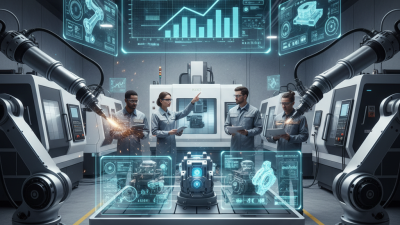
The future of machining processes is heavily influenced by advancements in automation. Machine operators now rely on smart technologies to enhance productivity. Automated systems can perform repetitive tasks efficiently. This reduces human error and increases the speed of production.
Robotic arms and machine learning algorithms are becoming common. These technologies analyze data in real time and adjust operations instantly. However, the integration of automation is not without challenges. Many companies struggle with high initial costs and the need for skilled workers.
Maintaining a balance between human expertise and automated solutions is crucial. Over-reliance on machines can lead to a lack of critical skills in the workforce. Additionally, as automation evolves, ongoing training is essential. Companies must regularly assess their processes to ensure efficiency and effectiveness. Embracing automation in machining processes is exciting yet demands careful consideration.
The Role of IoT in Modern Machining Equipment
The Internet of Things (IoT) is reshaping the landscape of machining equipment. Sensors and smart devices are integrated into machines, allowing for real-time monitoring. This connectivity helps operators track performance, reducing downtime and enhancing efficiency. However, this shift also brings challenges, such as cybersecurity risks. As machines become more interconnected, the potential for hacks increases. Manufacturers must remain vigilant against vulnerabilities.
Data analytics plays a crucial role in modern machining. Machines can gather vast amounts of data, but translating this data into actionable insights is not straightforward. Many companies struggle to analyze and leverage data effectively. In some cases, the sheer volume of information can be overwhelming. Complexity can lead to misinterpretations and poor decision-making.
Additionally, workforce training remains a significant obstacle. As firms adopt advanced technologies, workers may feel left behind. Ensuring that employees are equipped with the right skills is critical. Without proper training, the benefits of IoT in machining may be lost. Companies must invest in educational programs and hands-on experiences to bridge this gap.
Market Forecasts and Economic Impact on Machining Equipment Trends
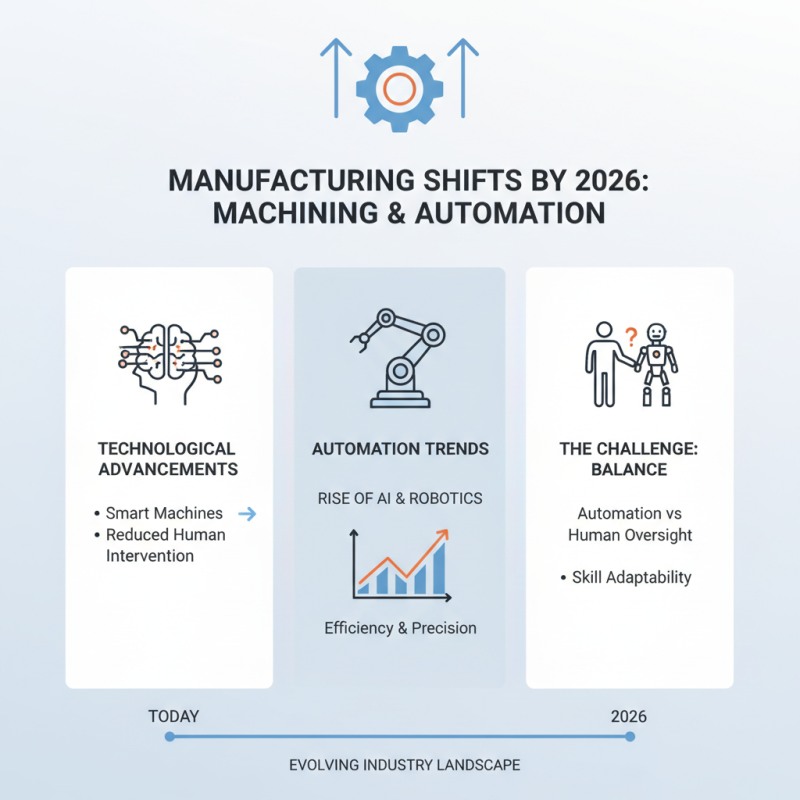
The manufacturing industry faces significant shifts by 2026, especially in machining equipment. Technological advancements shape these changes. Automation trends are rising. Many companies are exploring smart machines that require less human intervention. However, achieving a balance between automation and human oversight remains a challenge.
Economic forecasts reveal a mixed outlook. Growth in demand for precision machining leads to high efficiency. Yet, rising material costs can hinder profitability. Companies should embrace flexibility in their operations. Supply chain disruptions can alter production schedules significantly. It’s crucial to evaluate current practices and adjust to unforeseen challenges.
Investment in training is essential. Workers need skills to operate complex machinery effectively. As technologies evolve, some may struggle to keep pace. This creates a gap that businesses must address thoughtfully. Adaptability is key, but it often requires a reassessment of existing workforce capabilities. Embracing these trends in machining equipment can lead to greater resilience amid economic fluctuations.