
What is Aluminium Alloy and Why is it Essential for Buyers?
Aluminium Alloy is a critical material in various industries, from aerospace to automotive. As per the Aluminium Association, the global aluminium market is projected to reach 250 million metric tons by 2025. This growth signifies the increasing dependency on Aluminium Alloy for constructing lightweight, durable, and corrosion-resistant products.
Buyers must understand the properties of Aluminium Alloy. Its strength-to-weight ratio is unmatched, often surpassing steel while weighing significantly less. Moreover, aluminium's recyclability adds to its appeal, with nearly 75% of all aluminium produced still in use today. However, potential buyers should also consider difficulties in sourcing high-quality aluminium alloys. With numerous grades available, selecting the right type can be challenging.
In a competitive market, having expert knowledge about Aluminium Alloy can lead to cost-effective decisions and enhanced product performance. It is vital for buyers to engage with reliable suppliers and comprehend industry standards. This understanding can prevent costly errors in product design and performance expectations.
Understanding Aluminium Alloys: Definitions and Composition
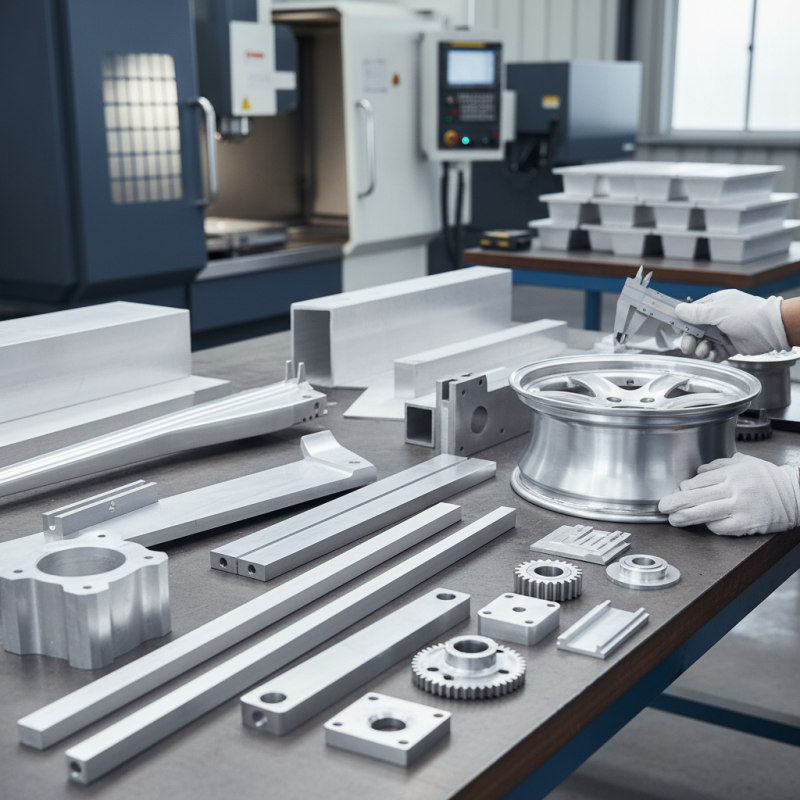
Aluminium alloys are vital in various industries. They are made by combining aluminium with other elements. This enhances strength, corrosion resistance, and machinability. The composition of these alloys usually includes elements like copper, magnesium, manganese, and silicon. Each addition alters the metal’s properties.
Understanding aluminium alloys is crucial for making informed purchasing decisions. The differences in compositions create unique characteristics. For example, some alloys may be lightweight, while others are exceptionally strong. Buyers must consider their specific needs when selecting an alloy type.
However, navigating through the many available options can be challenging. Not every alloy is suitable for every application. Some buyers may overlook critical factors like thermal conductivity or tensile strength. It is essential to reflect on your requirements and perform research. This ensures you choose the right aluminium alloy that meets your needs effectively.
Types of Aluminium Alloys: Series and Their Unique Properties
Aluminium alloys play a crucial role in various industries due to their unique properties. They are categorized into series, each defined by specific elemental compositions. The 1000 series, for example, is known for its excellent corrosion resistance and high thermal conductivity. This series is often used in electrical conductors and chemical applications.
Another prominent category is the 6000 series, which offers moderate strength and good workability. It contains magnesium and silicon, making it ideal for structural applications. Think of the frames of buildings or bridges. However, while versatile, the 6000 series may not perform well in extreme environments, showing a need for careful selection based on the end use.
The 7000 series stands out for its high strength levels. It is often utilized in aerospace applications, thanks to its lightweight characteristics. However, it can be more challenging to weld compared to other alloys. Each series demonstrates unique strengths and weaknesses, emphasizing the importance of understanding the specific requirements of a project. Buyers must consider these differences to make informed choices.
Applications of Aluminium Alloys in Various Industries
Aluminium alloys play a pivotal role across diverse industries. Their lightweight nature and high strength make them ideal for both aerospace and automotive sectors. According to the Global Aluminium Market report, the demand for aluminium alloys in the aerospace industry is projected to grow by 5.5% annually through 2025. This is largely due to their ability to enhance fuel efficiency and performance.
In construction, aluminium alloys are valued for their resistance to corrosion and low maintenance requirements. The construction industry has increasingly adopted these materials, with a reported 30% increase in usage over the last decade. However, some manufacturers still struggle with achieving uniform quality in the alloy production process. This reflects a gap in quality control that needs addressing to meet growing demands.
Marine applications also benefit significantly from aluminium alloys, which offer excellent durability and weight-savings. Yet, while the marine sector sees stability, fluctuations in global market prices complicate procurement strategies. Buyers must stay informed to navigate these challenges effectively. By leveraging statistical insights and trends, industries can make informed decisions and enhance their operations with reliable aluminium alloy products.
Factors Influencing Buyer Decisions for Aluminium Alloys
When choosing aluminium alloys, buyers consider several key factors. The primary aspect is the alloy's properties. Strength, weight, and corrosion resistance are critical. Each application demands specific traits. For instance, aerospace components require lightweight materials that do not compromise strength.
Another influencing factor is cost. Buyers have budgets to meet. The price of different aluminium alloys can vary significantly. Often, higher quality means a higher cost. Buyers must weigh the benefits against their financial constraints. They may need to reflect on their long-term needs.
Lastly, sourcing and availability play a role. Some alloys may be harder to find. This can lead to delays in production. Reliability is crucial in any purchase decision. Buyers benefit from understanding their supplier's track record. This helps them make informed choices.
Benefits of Choosing Aluminium Alloys Over Other Materials
Aluminium alloys are gaining popularity in various industries due to their distinct advantages. One of the key benefits of choosing aluminium alloys is their lightweight nature. This property makes them ideal for applications in aerospace and automotive sectors, where reducing weight translates to increased efficiency. For instance, using aluminium instead of steel can significantly lower aircraft weight, resulting in fuel savings.
Another compelling reason to opt for aluminium alloys is their resistance to corrosion. Unlike many other materials, aluminium alloys naturally form a protective oxide layer when exposed to air. This results in a longer lifespan for products made with these alloys, reducing maintenance costs over time. However, it's important to remember that not all aluminium alloys are created equal. Some may not perform well under certain environmental conditions, highlighting the need for careful selection.
Additionally, aluminium alloys are easily machined and formed. This flexibility allows manufacturers to create intricate designs that might be difficult with harder metals. However, the machining process can sometimes generate excessive scrap, leading to waste that manufacturers should strive to minimize. Overall, aluminium alloys offer a balance of lightweight strength, durability, and versatility, making them a preferred choice for many buyers across various fields.
Article Source:
We Meet Our Clients Needs.
Meeting the diverse needs of our clients, we have complete machining facilities for everything from single part prototypes to large quantity production. Our small size is one of our biggest assets. It allows us to control costs and maintain the highest of standards.
Quality orientated and delivery always on time or earlier than originally promised.
Strongly recommend MSD.