
Best Bent-axis Motor Types and Their Applications Explained?

The Bent-axis Motor is a crucial component in various industrial applications. Its unique design allows for increased efficiency and enhanced performance. This motor type specifically excels in demanding conditions where traditional motors may falter.

In recent years, its adoption has expanded across different sectors, including automotive and aerospace. The Bent-axis Motor showcases versatility in operation, often outperforming gear-driven alternatives. Its capability to handle high pressures makes it a preferred choice for hydraulic systems.

Understanding the best types of Bent-axis Motors can illuminate their potential uses. However, there are challenges too. Selecting the right type requires careful consideration of specific needs. Balancing performance and cost-effectiveness is not always straightforward. Reflecting on these aspects is crucial for optimizing their application.
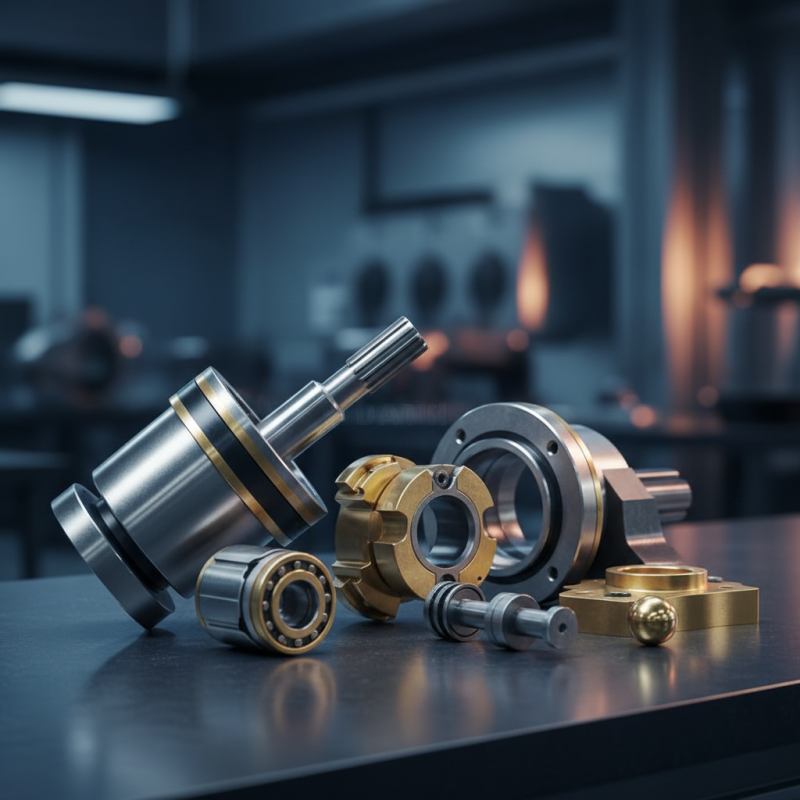
Best Bent-axis Motor Types and Their Applications Explained?

Types of Bent-axis Motors and Their Unique Features

Bent-axis motors are known for their efficiency and versatility. They come in several types, each with unique features that make them suitable for specific applications. One popular type is the fixed displacement bent-axis motor. This motor has a constant output flow, making it ideal for applications requiring steady speed. It is commonly used in agricultural machinery, where reliable performance is crucial.

Another essential type is the variable displacement bent-axis motor. This motor can adjust its output flow. This flexibility allows for greater control in various applications. It is often seen in mobile equipment and construction machinery, where conditions can change rapidly. Operators can easily adapt to different scenarios, increasing overall efficiency. However, this adaptability can also introduce complexity. Proper tuning is critical to avoid performance issues.

Lastly, the high-speed bent-axis motors deserve mention. These motors excel in applications that demand high rotational speeds. They often find their niche in automotive applications and robotics, where rapid movement is essential. However, they may sacrifice some torque at lower speeds, leading to potential trade-offs. An understanding of each motor's strengths and weaknesses is vital for optimal application. Choosing the right bent-axis motor requires careful consideration of these factors.

Key Advantages of Bent-axis Motors in Various Applications

Bent-axis motors have gained popularity due to their unique design and advantages. These motors allow for direct hydraulic drive, which results in higher efficiency. They excel in various applications, including construction machinery and industrial equipment. The ability to handle high pressures makes them suitable for heavy-duty tasks.

One major benefit of bent-axis motors is their compact size. This feature saves space in design without sacrificing power output. Additionally, they are easy to integrate into existing systems. Users often appreciate the straightforward maintenance requirements. However, some may find their initial costs higher compared to other motor types.

The versatility of bent-axis motors also stands out. They perform well in both mobile and stationary applications. Their design supports variable displacement, enhancing flow control. Yet, the sensitivity to operating conditions can be a drawback. Proper installation and monitoring are crucial for optimal performance. Exploring these aspects can lead to informed choices for specific projects.

Best Bent-axis Motor Types and Their Applications

Bent-axis motors are widely used in various applications due to their high efficiency and reliability. This chart illustrates the efficiency percentage of different applications where bent-axis motors are commonly used, highlighting their advantages in hydraulic pumps, industrial drives, mobile equipment, aerospace systems, and robotics.

Common Applications of Bent-axis Motors in Industry

Bent-axis motors are popular in various industries. Their design allows for efficient energy transfer. They are often used in hydraulic systems due to their compact size and high power density. These motors are capable of handling high pressures, making them suitable for construction equipment.

Another common application is in agricultural machinery. Bent-axis motors are used in tractors and harvesters. They drive hydraulic pumps and control various functions. Imagine a combine harvester efficiently working through a field, aided by these powerful motors. However, while they excel in performance, they require careful maintenance. Neglecting lubrication can lead to wear and tear.

In the aerospace sector, these motors power flight control systems. They provide precise movement for wings and landing gear. The reliability of bent-axis motors is crucial here. Yet, achieving this level of reliability demands rigorous testing and quality control. Compromises in production can lead to failure in critical applications. This raises questions about the balance between cost and reliability in manufacturing.

Comparative Analysis: Bent-axis Motors vs. Other Motor Types

Bent-axis motors are unique in design and application. They convert hydraulic energy into mechanical energy efficiently. This design allows them to produce high torque at low speeds. This makes them ideal for heavy machinery or equipment used in construction and manufacturing.

Comparatively, bent-axis motors often outperform other motor types in efficiency. They perform well in variable speed applications. However, they might not be the best choice for every scenario. For applications requiring precision at low speeds, other engines can provide better control. Furthermore, their initial setup can be complex. Users must ensure proper alignment to avoid issues.

**Tips:** When choosing a motor type, assess your specific needs carefully. Missing some details could lead to inefficient operations. Always consider the working environment to select the right motor. Performance could differ based on external factors, like temperature and vibration. Aim to test the equipment in real conditions before full deployment. This could prevent future challenges.

Best Bent-axis Motor Types and Their Applications Explained

Motor Type Application Area Advantages Disadvantages
Bent-axis Motor A Agricultural Machinery High Efficiency, Good Torque Higher Noise Levels
Bent-axis Motor B Construction Equipment Compact Size, Reliable Performance Moderate Cost
Bent-axis Motor C Material Handling Systems High Power Density Limited Speed Range
Bent-axis Motor D Robotics Precision Control, Low Backlash Higher Maintenance Requirements
Bent-axis Motor E Marine Applications Corrosion Resistance, Robust Design Higher Weight

Maintenance and Performance Optimization for Bent-axis Motors

Bent-axis motors are known for their efficiency and power output. However, maintenance is crucial to ensure optimal performance. Regular inspections of the motor's internal components can prevent issues before they escalate. Lubrication of moving parts is essential, as it reduces friction and wear. Neglecting this step can lead to significant performance drops.


Performance optimization often requires fine-tuning the motor's settings. Adjusting parameters like pressure and flow rate can enhance response times. Monitoring operational temperatures is also important. Overheating can indicate underlying issues that need addressing. Identifying these problems early can save time and resources.


Additionally, training operators on proper handling is vital. Inadequate knowledge can result in misuse, affecting motor lifespan. Simple mistakes can lead to costly repairs. Encouraging a culture of continuous learning ensures that all team members understand the importance of maintenance and optimization. Fostering this mindset can lead to more efficient operation overall.

We Meet Our Clients Needs.

Meeting the diverse needs of our clients, we have complete machining facilities for everything from single part prototypes to large quantity production. Our small size is one of our biggest assets. It allows us to control costs and maintain the highest of standards.

Quality orientated  and delivery always on time or earlier than originally promised.

Strongly recommend MSD.