
What is the Best Load Isolation Switch for Your Needs?

Choosing the right Load Isolation Switch is crucial for safety and efficiency. This device plays a key role in electrical systems, isolating parts for maintenance or safety. A well-chosen switch can prevent potential hazards and ensure smooth operations in various settings.

Different environments have unique needs. Industrial, commercial, or residential settings all require tailored solutions. Factors like voltage ratings, sizes, and installation methods vary greatly. A reliable switch not only maximizes performance but also minimizes risks.

However, selecting an ideal Load Isolation Switch can be complex. Many options boast impressive features. Yet, these claims may not always translate into practical benefits. It’s important to assess real-life needs and potential challenges. Understanding the specifics of your application can lead to better decisions.
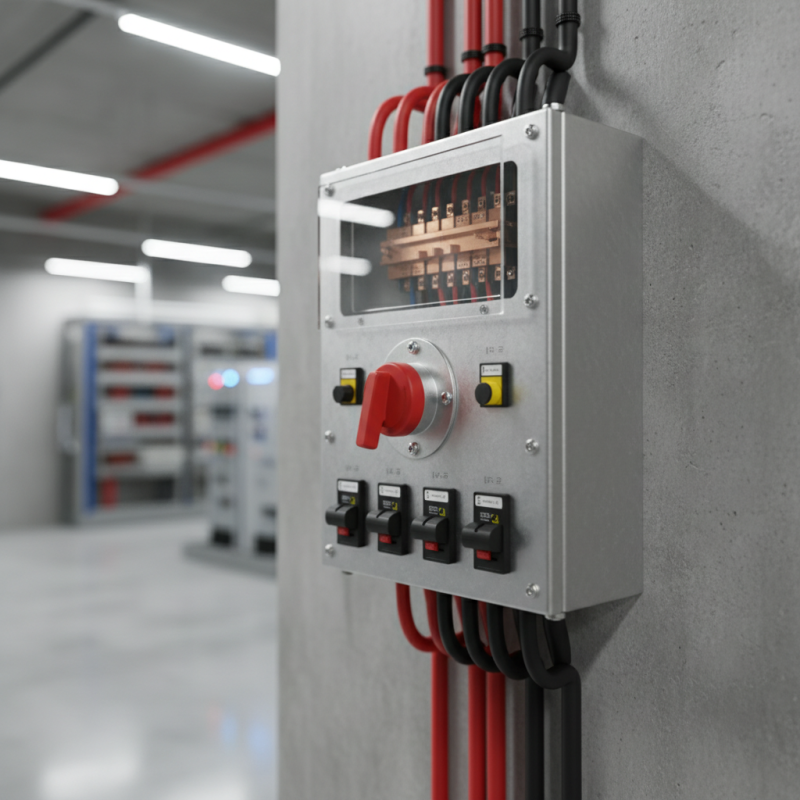
What is the Best Load Isolation Switch for Your Needs?

What Are Load Isolation Switches and Their Importance in Electrical Systems?

Load isolation switches play a crucial role in electrical systems. They help ensure safety during maintenance and repairs. These switches allow operators to disconnect power without risk. Essentially, a load isolation switch isolates specific parts of a system, prevent accidental energization. They can be installed in various applications, from industrial settings to residential power systems.

When selecting a load isolation switch, consider the voltage and current ratings. Choosing the right specifications is essential for optimal performance. Furthermore, think about the installation location. Outdoor switches should have weatherproof enclosures.

Tips: Always ensure that the switch is easily accessible. Regular maintenance checks can enhance reliability. Understand the specific requirements of your system before making a choice. Electrical guidelines are important; not adhering to them can lead to unsafe situations. Your decision impacts the safety and functionality of your electrical infrastructure.

Key Types of Load Isolation Switches and Their Specific Applications

Load isolation switches play a crucial role in electrical safety and system efficiency. They allow operators to disconnect electrical loads safely. Key types of load isolation switches include manual switches, motorized switches, and fuse switches. Each type serves specific applications based on operational needs.


Manual load isolation switches are commonly used in residential and commercial settings, allowing users to control power easily. According to industry reports, these switches account for over 30% of the market share due to their simplicity and reliability. Additionally, motorized switches are gaining traction in industrial applications, often used in high-voltage environments, where remote operation is essential for safety.


Fuse switches combine the functionality of a switch and a fuse. They protect circuits while enabling load isolation. In sectors like renewable energy, the demand for fuse switches has surged, with recent studies projecting a growth rate of 5% annually. Despite their advantages, the choice of the right switch can be complex. Factors such as load type, voltage rating, and environmental conditions should all influence selection. This highlights the importance of thorough research and expert consultation in making the best decision for your specific needs.

Factors to Consider When Choosing a Load Isolation Switch for Your Needs

When choosing a load isolation switch, several critical factors come into play. Understanding your application is paramount. Different uses, such as industrial, commercial, or residential, dictate the switch's specifications. Load types vary; for instance, some require high inrush current capabilities. Assessing these needs upfront can save time and cost in the long run.

Next, consider the switch's construction and materials. High-quality materials enhance durability and longevity. Corrosion resistance is crucial, particularly in harsh environments. Additionally, ensure that the designed voltage and current ratings meet your requirements. An underrated aspect is the ease of installation and operation. Complicated switches may lead to errors during setup.

Safety features are non-negotiable. Look for integrated mechanisms to prevent accidental activation. A reliable switch provides peace of mind, especially in critical settings. It’s ideal to consult with experienced professionals when selecting a switch. Their insights can clarify common misconceptions. Even simple choices can impact performance and safety. Reflect on your specific needs and don’t rush the decision-making process. A balanced approach can lead to a better outcome.

Comparative Analysis of Different Load Isolation Switch Types

Industry Standards and Certifications for Load Isolation Switches

When selecting a load isolation switch, industry standards and certifications play a pivotal role in ensuring safety and reliability. The International Electrotechnical Commission (IEC) provides guidelines that define performance and safety requirements. Adhering to standards like IEC 60947 is critical. This standard outlines different operational categories, ensuring that devices can handle various electrical conditions.

Another standard worth considering is the Underwriters Laboratories (UL) certification. UL standards verify that switches can perform reliably under specified conditions. Approximately 70% of electrical professionals prefer equipment that meets UL standards, ensuring peace of mind. It’s essential to check if the switch has undergone rigorous testing.

In recent reports, about 25% of failures in electrical systems are attributed to substandard isolation switches. Many devices do not comply with established standards. This highlights the importance of choosing certified products. Not all devices labeled as "reliable" meet these strict criteria. Therefore, conducting thorough research becomes imperative for achieving a balance between cost and safety. Reliable switches not only protect equipment but prevent hazardous situations, reinforcing the need for adherence to these standards.

Comparative Analysis of Load Isolation Switch Brands and Their Performance Data

Choosing the right load isolation switch is essential for safety and efficiency. Various brands offer diverse options, each with unique performance metrics. A report by the International Electrotechnical Commission indicates that a switch's operational lifespan can significantly affect overall system reliability. In fact, durable switches often lead to a reduction in maintenance costs by up to 30%.

One key factor is current rating. Some switches can handle higher loads than others. According to a recent study, switches rated for higher currents experience less thermal stress, which can extend their lifespan. Performance under environmental conditions is also critical. Factors like humidity and temperature fluctuations can impair functionality. This means that a switch that performs well in a lab may not hold up in real-world settings.

Tips: When selecting a switch, always consider its rating and environment. Conduct regular inspections to ensure reliability. Look for performance data to guide your choice. Balancing these factors is crucial for optimal performance.

Additionally, it is important to note that not all switches are created equal. Users often overlook installation variables. Improper installation can impact a switch's rated performance. Understanding the specifics can lead to more informed choices.

We Meet Our Clients Needs.

Meeting the diverse needs of our clients, we have complete machining facilities for everything from single part prototypes to large quantity production. Our small size is one of our biggest assets. It allows us to control costs and maintain the highest of standards.

Quality orientated  and delivery always on time or earlier than originally promised.

Strongly recommend MSD.