What Is the Best Type of Pneumatic Conveying Blower in 2026?
Choosing the best Pneumatic Conveying Blower in 2026 is not a brand-only decision. The right machine depends on conveying pressure, required airflow, material behavior, and operating hours. A Roots blower may suit many established low-pressure systems. Screw blowers can offer efficient operation in suitable duty ranges, while high-speed centrifugal units may fit applications needing substantial, steady airflow. There is no universal winner.
Small details can change the answer. A powder that flows freely through a long pipeline behaves differently from fragile granules or a material prone to clogging. Pressure losses, air temperature, filtration, and starting conditions also affect performance. It depends. In a plant room, the difference may appear as a hot discharge line, a rising energy bill, or frequent maintenance—not just a number on a specification sheet.
This guide compares common blower types and explains how to match them to conveying requirements. It also considers efficiency, control options, noise, maintenance access, and total ownership costs. Ask suppliers for performance data at your actual operating point, not only the headline rating. A brochure is not a system test. Reliable selection needs sound calculations, clear process information, and review by qualified engineers. Still, even careful estimates can miss changing production demands. That uncertainty deserves attention before purchase, not after installation.
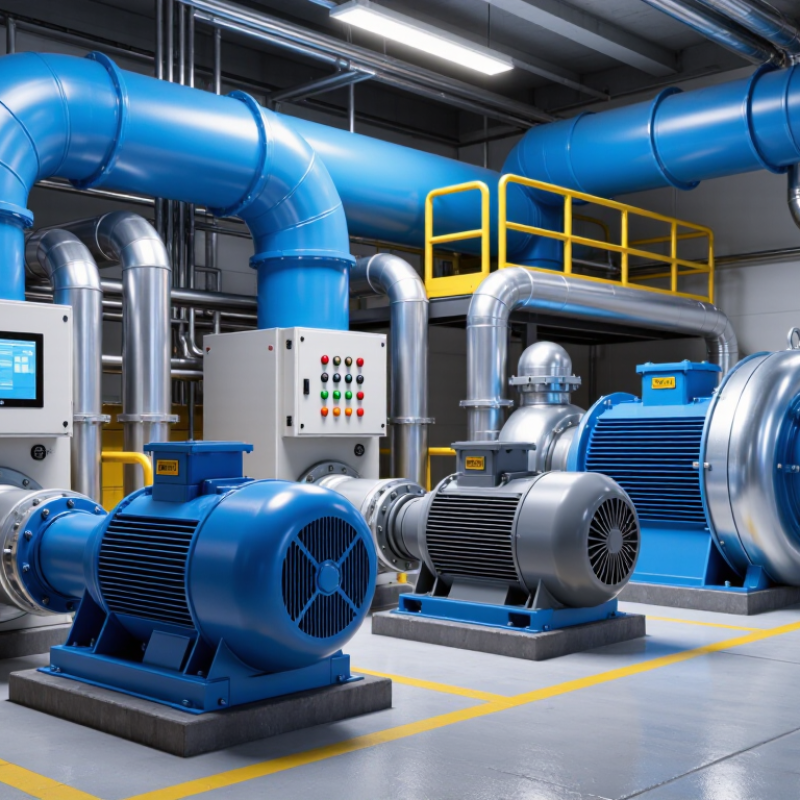
How Pneumatic Conveying Blowers Move Materials
A pneumatic conveying blower moves material by creating airflow through a closed pipeline. At the pickup point, a feeder meters powder or granules into the moving air. The stream then travels through bends and pipe sections toward a receiver, where filters separate solids from air. Simple in principle. Not effortless in practice.
In dilute-phase conveying, relatively high air velocity keeps particles suspended. Dense-phase systems move material more slowly, in concentrated plugs or dunes. The right approach depends on particle size, fragility, moisture, distance, and required throughput. Too little air can cause deposits and blockages; too much may damage fragile particles and waste energy. The U.S. Department of Energy’s Improving Compressed Air System Performance handbook reports that compressed air can use about 10% of manufacturing electricity, reaching 30% in some facilities. That makes leaks, pressure settings, and blower selection worth measuring, not guessing.
A practical design starts with material tests and a clear route drawing. Record conveying rate, line length, elevation changes, and the number of bends. Then check pressure loss and air velocity under operating conditions. Dust collection matters, too: a loaded filter changes system resistance. One overlooked detail is startup behavior. A line that runs steadily may still plug after an uneven feed or brief stop. Real systems are less tidy than diagrams.
Which Blower Types Are Used in Pneumatic Conveying?
What Is the Best Type of Pneumatic Conveying Blower in 2026?
Which Blower Types Are Used in Pneumatic Conveying?
Pneumatic conveying systems commonly use rotary-lobe, screw, and centrifugal blowers. Smaller systems may use regenerative side-channel units. Each type suits different airflow and pressure needs. Rotary-lobe blowers provide steady airflow at moderate flow rates and relatively high pressures. However, their heat and air pulsation need consideration. Screw blowers generally provide smoother airflow for continuous operation. Small systems differ.
Centrifugal blowers can suit applications needing high airflow at lower pressure. Their performance may be less suitable when conveying pressure changes sharply. Regenerative units are typically considered for smaller flows and lower-pressure duties. The right choice depends on the conveying phase, pipe layout, material characteristics, and operating hours. A fine powder traveling through a long line creates different demands from coarse granules moving a short distance. Sizing charts look reassuring, but assumptions about material behavior can still mislead.
Tips: Compare required airflow and pressure at the same operating point. Check inlet filters, air temperature, and pressure losses across the full line. Ask for a duty-point calculation using your material and conveying rate. Leave room for operating variation; real systems rarely behave perfectly.
How System Requirements Shape Blower Selection
A pneumatic conveying blower should be selected around the material and pipeline, not a catalog rating alone. Start with the required airflow, conveying distance, pipe diameter, and pressure loss. Then consider whether the material is fine powder, coarse granules, or fragile flakes. Bulk density and moisture can change how it moves through bends and feeders. Air matters.
A high-volume, low-pressure route may suit a different blower design from a system needing steady pressure over a long line. Check operating temperature, filter resistance, elevation, and expected duty cycles before comparing equipment. A few extra elbows can increase resistance more than an early estimate suggests. Early calculations are useful, but they are not always right; verify assumptions with measured material data or a conveying trial when possible. Also allow for leaks and filter loading, since both can reduce airflow in daily operation. The quietest or most efficient option on paper may not fit a dusty plant room or frequent start-stop service. Think about access for inspection, too. A blower that is difficult to maintain can become an expensive choice.
How to Compare Blower Performance, Efficiency, and Cost
What Is the Best Type of Pneumatic Conveying Blower in 2026?
Choosing a blower starts with the conveying duty, not a product label. Compare required airflow and pressure at the conveying line, then check how each option performs across the full operating range.
Rotary lobe blowers can suit steady, lower-pressure service, while screw blowers may offer quieter operation and improved efficiency in some systems. Centrifugal units can work well when airflow demand is high and relatively stable. Actual results depend on material, pipe layout, and operating conditions.
Tips: Compare measured power use at your real duty point, not just the motor rating. Ask for airflow and pressure data at several load levels. Check noise, discharge temperature, filter losses, and maintenance intervals. A small pressure drop can raise energy use over long operating hours.
Purchase price is only one part of total cost. Estimate electricity use, service parts, downtime, and expected operating hours over the blower’s service life. Confirm that the unit can handle changes in material feed without unstable conveying or excess air.
Site measurements are valuable; design figures alone may miss leaks, worn filters, or bends that add resistance. No comparison is perfectly neat. A seemingly efficient blower can disappoint if it is poorly matched to the system.
Which Blower Type Best Fits Each Conveying Application in 2026?
The best pneumatic conveying blower in 2026 depends on the material, route, and required airflow—not simply the highest pressure rating. For dilute-phase systems moving powder through long pipe runs, a rotary-lobe or screw blower can provide steady, oil-free air when correctly specified. Rotary-lobe units are familiar and straightforward to service. Screw blowers can offer efficient operation across changing loads, but performance depends on the operating point and maintenance plan.
For short, high-volume lines with modest pressure needs, a centrifugal blower may be a practical fit. It can deliver smooth airflow, though it may not suit a system with sharply changing pressure requirements. Dense-phase conveying needs a different calculation: lower air velocity and higher pressure often favor a positive-displacement machine. Check the material’s bulk density, abrasiveness, moisture, and tendency to compact before choosing. Small differences matter.
Real operating data beats a catalog comparison. Record conveying distance, pipe diameter, bends, throughput, and pressure losses, then confirm the blower’s duty point with a qualified engineer. A unit that looks efficient on paper may waste energy if the line runs far from its design conditions. Not always obvious. Leave room for filter loading and future capacity changes, too. The “best” blower is the one that moves the actual material reliably without excessive air, heat, noise, or downtime.
