
China Top Post Hole Shovel Manufacturers for Global Buyers

Choosing a reliable China Post Hole Shovel manufacturer requires more than comparing catalogue prices. Global buyers need practical evidence of production experience, material control, and consistent delivery. A dependable supplier should explain how its shovels are made, tested, packed, and supported after shipment.

Experienced factories usually offer carbon steel or forged steel blades, reinforced sockets, and handles suited to repeated digging. Details matter. A blade edge should remain firm after use in compact soil. The handle should feel balanced, not awkward, during long fence installation work. Buyers should request samples, hardness information, coating specifications, and clear photographs of production lines. These steps reveal more than polished sales language.

China has many tool manufacturers, but quality varies between workshops and established exporters. Some suppliers provide strong samples yet struggle with large orders. That deserves attention. A careful sourcing process should review factory capacity, inspection procedures, packaging strength, lead times, and export documentation. Independent product inspections can also reduce avoidable surprises.

This guide introduces important points for evaluating China’s top Post Hole Shovel manufacturers for global purchasing. It considers product design, customization, certification readiness, communication, and after-sales reliability. Claims should be checked against current samples and records. No supplier is perfect. However, transparent evidence, responsive communication, and repeatable quality provide a more trustworthy foundation for long-term cooperation.
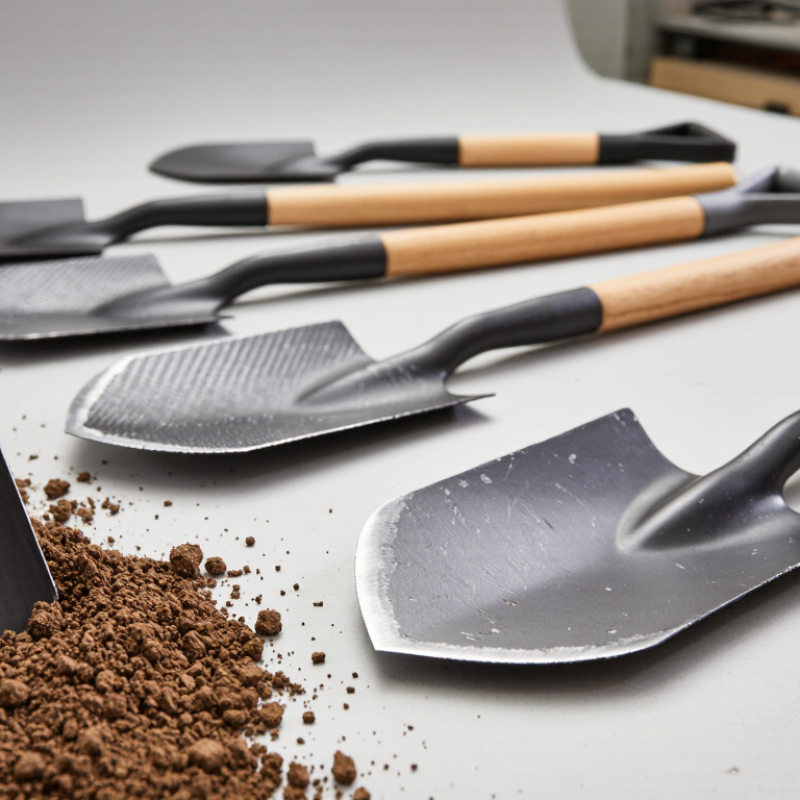
China Top Post Hole Shovel Manufacturers for Global Buyers

What Defines a Top Post Hole Shovel Manufacturer in China

China Top Post Hole Shovel Manufacturers for Global Buyers

A top post hole shovel manufacturer in China is defined by more than export volume or polished catalogs. Practical experience begins with understanding soil, hole depth, and daily workload. A capable factory tests blades in compact clay, damp earth, and gravelly ground. It checks cutting edges, handle alignment, grip comfort, and closing pressure. Small details matter. A shovel that twists after ten holes creates frustration and wasted labor.

Professional knowledge appears in material selection and process control. High-carbon steel can provide strength, but hardness must balance toughness and sharpening needs. Strong welds should remain smooth around the joint, without sharp splinters or visible gaps. Handles need consistent diameter and moisture resistance, especially for outdoor storage. Reliable manufacturers record material batches, inspect incoming parts, and test finished tools before packing. Clear product drawings and measurable specifications support accurate buyer decisions.

Authority also grows through honest communication. A dependable manufacturer explains suitable soil conditions, working limits, and available adjustments. It should provide samples that represent normal production, not specially polished pieces. Some samples look excellent, yet mass production may reveal uneven coating or loose fittings. That risk deserves attention. Transparent corrective action, traceable inspections, and stable lead times show operational maturity. A responsive engineering team can refine blade angles, handle lengths, or packaging after field feedback. No shovel fits every market perfectly, and a manufacturer willing to admit that limitation often inspires greater trust.

Key Manufacturing Regions and Production Capabilities

China’s post hole shovel production is concentrated in several complementary regions. Zhejiang supports forged heads, stamped steel parts, and export-oriented assembly. Jiangsu is stronger in metal forming, heat treatment, and semi-automated welding. Shandong adds agricultural-tool capacity, especially for heavy soil and larger digging blades. Guangdong contributes handle components, packaging, and flexible small-batch production.

The scale is substantial. UNIDO’s International Yearbook of Industrial Statistics reports that China produced about 31% of global manufacturing value added in 2022. China’s National Bureau of Statistics also recorded manufacturing as the largest industrial sector by added value in 2023. These figures do not measure post hole shovels directly. That limitation matters.

Production capability varies sharply between factories. Experienced suppliers can control blade thickness, socket alignment, handle grain, and powder-coating adhesion through documented inspections. Buyers should request hardness records, dimensional samples, salt-spray results, and carton drop-test evidence. A typical export line may combine forging, trimming, grinding, coating, assembly, and manual final inspection. The manual step remains important.

Regional labels can mislead. A factory near a famous tool cluster may outsource heat treatment or handle production. That can weaken traceability. Ask for process-flow charts, recent inspection reports, and photographs of the actual workshop. UN Comtrade data can help compare broader hand-tool export patterns, but its HS categories are wider than post hole shovels. Careful buyers must read the data with restraint.

China’s post hole shovel supply chain is concentrated in major hardware and agricultural-tool manufacturing regions. The index compares regional capabilities in metal forming, surface treatment, supporting component production, and export logistics. It is a normalized industry benchmark rather than company-level data.

Post Hole Shovel Types, Materials, and Design Features

China Top Post Hole Shovel Manufacturers for Global Buyers

Post hole shovels vary by blade shape, handle length, and digging method. A narrow blade suits compact soil and precise fence work. A wider blade removes loose earth faster, but it can bind in heavy clay. Double-blade post hole diggers create cleaner holes with less sidewall damage. Single shovels offer better control around roots and buried stones.

Material selection affects service life. Heat-treated carbon steel provides useful hardness for demanding ground conditions. Stainless steel resists rust, although it may cost more. Fiberglass handles reduce splitting and absorb some vibration. Ash handles feel warm and flexible, but they need protection from prolonged moisture. Reinforced shafts and welded sockets deserve close inspection. Small gaps can become serious failures.

Design details often decide user comfort. D-shaped grips improve control during repeated lifting. Foot plates protect boots and transfer force into hard soil. Smooth blade edges reduce soil sticking. Powder-coated surfaces help resist corrosion, but coating quality varies between suppliers. Practical buyers should request material records, weld photos, dimensional drawings, and sample testing. A heavier tool may feel stronger, yet it can slow repeated work. No design is perfect. Manufacturers and buyers should review hole diameter, soil type, handle reach, and expected workload before confirming production. Even minor changes in blade thickness can affect balance, freight weight, and daily fatigue.

How Global Buyers Can Evaluate Chinese Suppliers

China Top Post Hole Shovel Manufacturers for Global Buyers

Global buyers should evaluate suppliers beyond catalog photos and low quotations. Under HS 8201, shovels belong to a broad hand-tool category, so product comparisons require precise specifications. Request blade thickness, steel grade, handle material, socket dimensions, coating method, and net weight. Samples reveal more. Test the shovel in compacted soil, measure deformation, and inspect welds after repeated use. A minor edge bend can expose a serious production weakness.

Supplier verification should combine documents with factory evidence. Ask for recent third-party inspection records, material certificates, batch traceability, and corrective-action reports. ISO’s 2022 Survey recorded more than 1.2 million valid ISO 9001 certificates worldwide, but certification alone cannot prove consistent shovel quality. Check whether the certificate covers the actual manufacturing site. A video tour is useful, though it may hide subcontracting. An unannounced inspection is stronger, when commercially practical.

Logistics also deserves measurable attention. The World Bank’s Logistics Performance Index 2023 gave China an overall score of 3.7 out of 5, with strong infrastructure and timeliness results. Still, buyers should confirm carton compression, pallet stability, export documents, and shipment records. Compare at least three quotations using the same specifications. Review response time and technical clarity. I would not select the cheapest offer automatically; however, I have seen buyers overpay for polished paperwork. Recheck every assumption before signing.

China Top Post Hole Shovel Manufacturers for Global Buyers - How Global Buyers Can Evaluate Chinese Suppliers

Evaluation Dimension Practical Benchmark for Buyers Evidence to Request Recommended Evaluation Method Risk Signal
Product specification clarity The quotation should define overall length, blade width, blade thickness, socket size, net weight, and packaging dimensions. Signed technical data sheet and dimension drawing. Compare the drawing with the buyer’s intended soil conditions and shipping requirements. Vague descriptions such as “heavy duty” without measurable dimensions.
Blade material and forming Carbon steel is common for digging tools; the supplier should specify the steel grade or agreed material standard and forming process. Material declaration, incoming-material records, and sample photographs before coating. Use a pre-production sample and verify dimensions, welds, edge geometry, and surface condition. Material grade changes between quotation, sample, and mass production.
Handle construction Wood, fiberglass, and steel handles are common options. Length, diameter, grip type, straightness, and attachment method should be specified. Handle specification, attachment-process description, and sample inspection report. Check handle alignment, grip comfort, socket fit, and resistance to looseness during manual use. Loose handle joints, visible cracks, excessive flexing, or inconsistent handle length.
Corrosion protection Typical options include powder coating, paint, oil protection, or plating for selected components. Coating type and color tolerance must be documented. Coating specification, color reference, and inspection criteria for coverage and adhesion. Inspect for bare spots, blistering, peeling, sharp coating edges, and coating damage after packaging tests. Different colors or coating thicknesses within the same production lot.
Product range and customization A capable supplier should be able to quote different blade shapes, handle materials, surface finishes, packaging formats, and private-label artwork without changing agreed specifications informally. Product catalogue, tooling list, artwork approval process, and change-control procedure. Request one standard sample and one customized sample for comparison. Customization is promised verbally but excluded from the written quotation.
Quality management Documented incoming, in-process, and final inspections are more important than a certificate alone. Quality manual, inspection checklist, corrective-action records, and any ISO 9001 certificate with valid scope. Verify certificate details independently and conduct a remote or on-site factory audit where practical. A certificate is presented without scope, validity, issuing body, or matching legal entity.
Sample approval process A production sample should be approved in writing before the purchase order is released. Approved sample reference, signed specification, photographs, and tolerance sheet. Retain a sealed reference sample and require the supplier to match it during final inspection. Supplier refuses to record sample details or treats the sample as non-binding.
Order quantity and pricing Minimum order quantities vary by product, packaging, tooling, and customization. Ask for separate pricing at sample, trial-order, and container quantities. Tiered quotation showing MOQ, tooling, packaging, inspection, and freight exclusions. Compare total landed cost rather than unit price alone. An unusually low unit price that excludes tooling, packaging, or export-related charges.
Production and export lead time Lead time depends on material availability, season, customization, and order size. The supplier should provide a dated production schedule. Pro forma invoice, production plan, shipment-ready date, and historical on-time-delivery data if available. Set milestone dates for sample approval, material purchase, production completion, inspection, and dispatch. No written delivery date or repeated changes without corrective action.
Packaging and container efficiency Packaging should protect blades and handles while minimizing unused carton volume and preventing moisture damage. Carton dimensions, units per carton, gross weight, packing photographs, and palletization plan. Calculate cubic volume, stacking stability, and estimated freight cost before ordering. Insufficient protection, excessive empty space, or carton weights unsuitable for handling.
Trade terms and payment The contract should identify the applicable Incoterms® 2020 rule, named place, currency, payment milestones, and responsibility for inspection and freight. Commercial invoice, sales contract, bank-account information, and agreed Incoterms® 2020 term. Ensure the beneficiary name matches the contracted legal entity and confirm bank details through an independent channel. Last-minute bank-account changes or payment requests to an unrelated entity.
Pre-shipment inspection Inspection should cover quantity, dimensions, material appearance, handle attachment, coating, markings, packaging, and carton count. Inspection report with photographs, sampling method, defect classification, and corrective-action status. Use an agreed acceptance standard and inspect before final balance payment whenever commercially possible. Inspection is limited to carton counting and does not verify product specifications.
Regulatory and market compliance Compliance depends on the destination market, product claims, packaging, wood materials, and chemical requirements. The importer remains responsible for checking local rules. Material declarations, packaging information, treatment documents for regulated wood where applicable, and destination-market test reports if required. Confirm requirements with the destination customs authority or a qualified compliance specialist. Supplier guarantees universal compliance without identifying the destination market or applicable regulation.
Supplier verification The business license, legal entity, manufacturing location, export capability, and contractual entity should be consistent. Business-license copy, factory address, bank details, audit contact, and export documentation samples. Cross-check the legal entity and registration information using authoritative Chinese business-registration records or a professional verification service. Different names appear on the quotation, certificate, bank account, and sales contract.
After-sales support The agreement should define claims timing, evidence requirements, replacement or credit procedures, and responsibility for verified defects. Written warranty or claims policy and examples of corrective-action reports with confidential details removed. Evaluate response time during the sample stage and document all quality claims with photographs and batch information. No written remedy for nonconforming goods or refusal to investigate documented defects.

Buyer note: The benchmarks above are general sourcing guidelines, not universal specifications. Final requirements should be confirmed in the technical specification, purchase contract, inspection plan, and destination-market compliance review.

Export Standards, Pricing Factors, and Purchase Considerations

Exporting post hole shovels from China requires more than comparing factory quotes. Reliable suppliers should provide material specifications, dimensional drawings, inspection records, and packing details. For steel blades, buyers commonly check hardness, thickness, weld quality, and corrosion protection. Handles need secure joints, smooth finishing, and resistance to splitting during repeated use. Practical samples reveal defects that photographs often hide.

Export standards vary by destination and application. Confirm labeling, carton strength, pallet treatment, and required customs documents before production. A suitable supplier should explain test methods clearly, not simply promise compliance. Ask for pre-shipment inspection rights and retain an approved sample. Small details matter. One loose rivet can create costly claims.

Pricing depends on steel grade, handle material, tooling, order volume, packaging, and delivery terms. Ocean freight, insurance, duties, and port charges may change the real landed cost. Request quotations with identical specifications and clearly stated Incoterms. A very low offer may exclude testing or protective packaging. That happened in one purchasing review, and the savings disappeared after damaged cartons arrived. I would also question unusually short lead times. Production schedules can slip during peak seasons. A written tolerance range, replacement policy, and payment schedule makes the transaction more dependable. No checklist is perfect, but careful verification reduces avoidable risk.

We Meet Our Clients Needs.

Meeting the diverse needs of our clients, we have complete machining facilities for everything from single part prototypes to large quantity production. Our small size is one of our biggest assets. It allows us to control costs and maintain the highest of standards.

Quality orientated  and delivery always on time or earlier than originally promised.

Strongly recommend MSD.