
How to Choose the Best Food Grade Paper Roll for Your Needs?

Choosing the right Food Grade Paper Roll is crucial for various applications. This specific type of paper meets safety standards for food contact. However, not all rolls are created equal. Understanding your needs can help you make an informed decision.

When selecting a Food Grade Paper Roll, consider the material. Different types of paper offer varying levels of durability and moisture resistance. For instance, waxed paper is ideal for wrapping greasy foods, while parchment paper excels at high-heat cooking. The size and thickness also play a role. A roll that’s too thin may tear easily, leading to leaks and messes.

Moreover, brand reputation matters. Look for manufacturers with certifications that guarantee safety and quality. Reading customer reviews can also provide insight into performance and reliability. However, remember that even the best brands may have occasional flaws. Reflecting on your specific requirements will guide you to the most suitable choice.
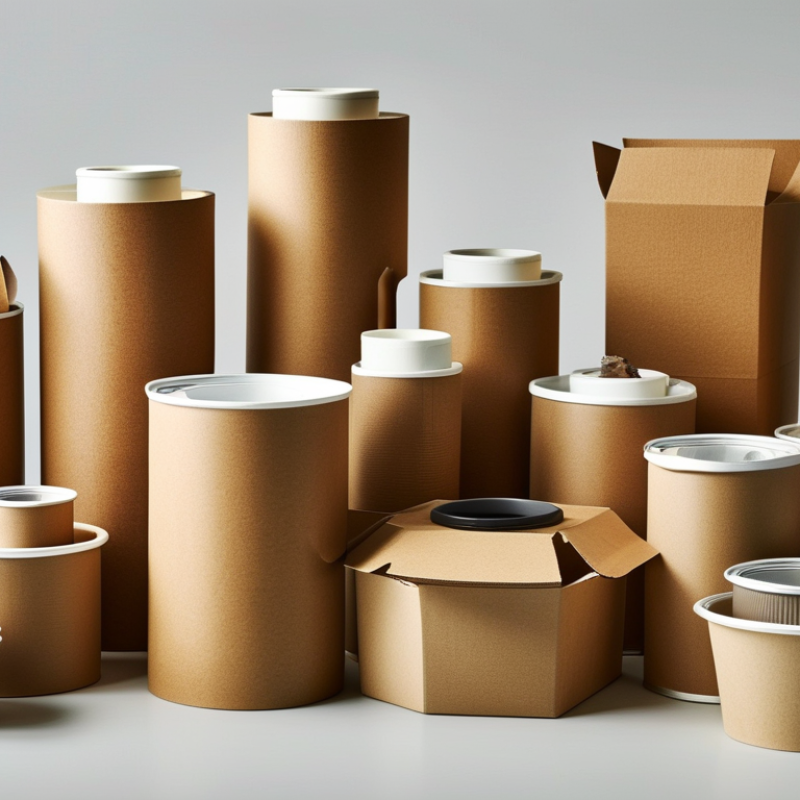
How to Choose the Best Food Grade Paper Roll for Your Needs?

Types of Food Grade Paper Rolls Available on the Market

When selecting the best food grade paper rolls, understanding the different types available is crucial. Food grade paper comes in various forms, each designed for specific applications. For instance, butcher paper is ideal for wrapping meats. It allows the meat to breathe and prevents moisture buildup. Research indicates that about 60% of food service businesses prefer this for its durability and grease resistance.

Another popular option is parchment paper. This type is often used for baking and cooking. It features a non-stick surface, making it easy to remove food after cooking. According to industry data, parchment paper can tolerate temperatures up to 420 degrees Fahrenheit. This makes it a favorite among chefs looking for high heat resistance.

Wax paper also serves as a food grade paper option. It's typically used for wrapping sandwiches and lining food trays. However, it is not suitable for baking due to its low melting point. Many users may overlook the importance of proper storage. Improper storage can diminish the effectiveness of these papers. Even food grade options have their limitations, and understanding these can help in making an informed choice.

How to Choose the Best Food Grade Paper Roll for Your Needs? - Types of Food Grade Paper Rolls Available on the Market

Type of Food Grade Paper Roll Thickness (in mil) Weight (lbs per 1000 ft) Common Uses Features
Bleached Baking Paper 30 50 Baking, wrapping Non-stick, moisture resistant
Unbleached Butcher Paper 40 60 Meat wrapping, smoking Breathable, food safe
Greaseproof Paper 35 55 Sandwich wrapping, bakery items Oil resistant, sturdy
Parchment Paper Roll 40 50 Baking cookies, cakes Oven-safe, moisture resistant
Craft Paper Roll 50 70 Food packaging, takeout Versatile, recyclable

Key Factors to Consider When Choosing Food Grade Paper

When choosing food grade paper rolls, several key factors come into play. Understanding the application is crucial. Are you wrapping food items or lining baking sheets? Each use has distinct requirements. For instance, some papers withstand higher temperatures, while others are ideal for moisture resistance. It's essential to match the paper type to your specific needs.

Quality should never be compromised. Look for paper that meets food safety standards. A roll that is certified safe for contact with food ensures peace of mind during use. Additionally, consider the paper's source. Sustainable options are available and greatly reduce environmental impact. However, some rolls may use more resources than necessary. Reflect on your choices and their broader effects.

Thickness and weight play a role too. Heavier paper often provides better support but may be excessive for lighter tasks. Experimenting with different options is beneficial. You might find that the best choice isn't the most obvious one. Small details matter. Take time to assess what works best in your kitchen or business, as every situation may require a different approach.

Understanding the Safety Standards for Food Grade Paper

When selecting food grade paper, understanding safety standards is crucial. These standards ensure that the paper is free from harmful chemicals. Safe paper should not leach substances into food. The FDA specifies requirements for food contact materials, which include paper products.

FDA-approved food grade papers are tested rigorously. They must comply with guidelines on toxicity and safe use. It's not just about the paper's surface. The entire manufacturing process needs scrutiny. Each batch should be regularly tested. Compliance with safety standards elevates the trustworthiness of the product.

The origin of the paper plays a role as well. Sourcing from reputable manufacturers is essential. Sometimes, lesser-known providers may lack proper certifications. This can lead to contamination risks. Always ask for certifications and safety documents. Clarity and transparency are key when selecting food grade paper.

Food Grade Paper Roll Safety Standards Comparison

Comparing Costs: Budgeting for Food Grade Paper Rolls

When considering food grade paper rolls, budgeting is essential. Prices can vary widely, influencing your choices. It's crucial to assess both quality and cost. A higher price does not always mean better quality. Sometimes, cheaper options may suffice for specific needs, while premium rolls might be necessary for food safety and compliance.

Additionally, think about usage. How frequently will you use the paper? If it's for daily operations, investing in quality is wise. For occasional use, budget-friendly options could be adequate. Evaluate the specific requirements of your business. This includes the type of food being packaged and the environment in which the paper will be used.

Don't overlook the importance of suppliers. Some may offer better deals based on bulk purchases or loyalty discounts. However, be cautious. Always check the paper's certifications. Look for signs of reliability in supplier reviews or industry reputation. Balancing cost and quality can be tricky, but it’s critical for maintaining food safety and business efficiency.

Best Practices for Storing and Using Food Grade Paper Rolls

When working with food grade paper rolls, proper storage is crucial. Ideally, keep them in a cool, dry place. Humidity can damage the paper and affect its strength. Avoid direct sunlight, as it can lead to discoloration and degradation. Always store rolls upright to prevent creasing.

Using food grade paper requires attention to detail. Make sure your hands are clean when handling the paper. Any contamination can transfer to food, affecting safety. Cut the paper carefully to avoid waste, but don’t stress about perfectly straight lines. Small imperfections during cutting can happen. Focus on ensuring the paper covers food adequately.

If you're using the paper to wrap food, consider the type of food. Fatty substances can cause seepage. Adjust your usage based on what you are wrapping. For freshness, use the paper promptly after cutting. Don’t wait too long; exposure to air can reduce effectiveness. Keeping these practices in mind can improve your experience with food grade paper rolls.

We Meet Our Clients Needs.

Meeting the diverse needs of our clients, we have complete machining facilities for everything from single part prototypes to large quantity production. Our small size is one of our biggest assets. It allows us to control costs and maintain the highest of standards.

Quality orientated  and delivery always on time or earlier than originally promised.

Strongly recommend MSD.