
How to Choose a Pneumatic Chisel in 2026?

Choosing the right Pneumatic Chisel in 2026 requires more than comparing impact rates or online prices. In workshops, small mismatches become obvious quickly. A tool may vibrate harshly, lose power, or leave rough edges on a metal surface. The best choice depends on the material, working position, compressor capacity, and expected duty cycle.

Pneumatic-tool engineer Elena Marovic describes the principle clearly: “Match the chisel’s impact energy to the material, not merely to the job description.” That advice matters when removing welds, cutting bolts, scaling concrete, or cleaning castings. A compact model may suit light automotive work, while heavy demolition demands stronger impact energy and a stable air supply. Check the shank size, blows per minute, operating pressure, air consumption, grip design, and replacement-chisel availability. These details are not exciting. They prevent expensive mistakes.

Real workshop experience also exposes a less comfortable truth. The highest-rated Pneumatic Chisel is not always the most useful one. I have seen operators choose powerful tools that their compressors could not support continuously. The result was slow work and unnecessary fatigue. Noise and vibration deserve equal attention. So do maintenance access and warranty support. This guide examines those practical factors, compares common tool types, and explains how to select a model with confidence. It will not pretend that one answer fits every user. Tool selection still involves judgment, and even careful buyers can overlook a detail. That is why measured specifications should guide the decision, while real working conditions should make the final call.
How to Choose a Pneumatic Chisel in 2026?

What Is a Pneumatic Chisel and How Does It Work?

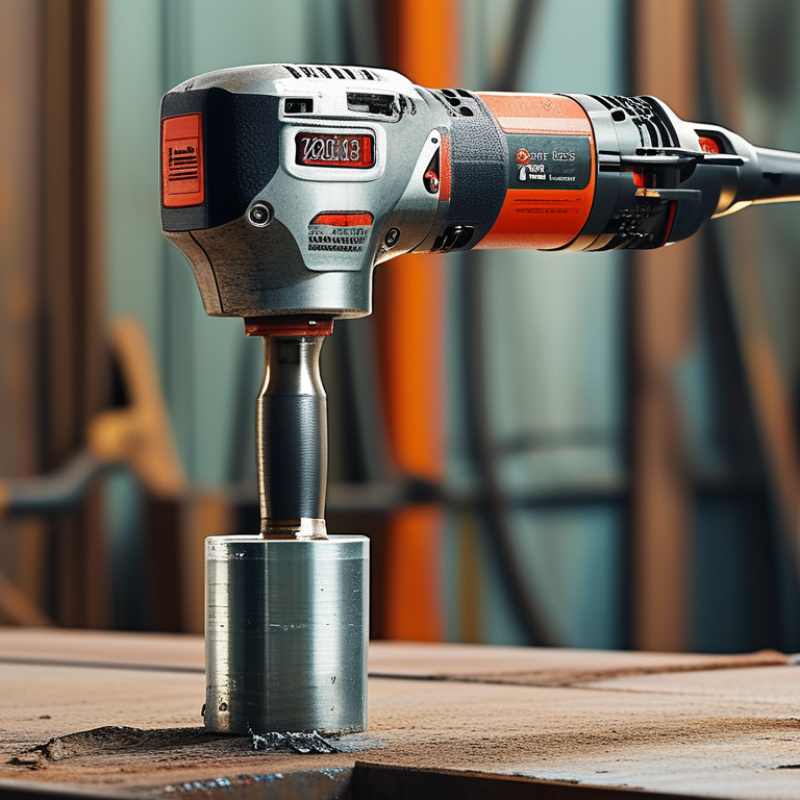
A pneumatic chisel uses compressed air to move an internal piston rapidly. The piston strikes a fitted chisel bit, creating repeated impact force. Unlike a rotary drill, it is designed for cutting, scaling, scraping, and breaking materials. The tool does not store its own power. An air compressor supplies the pressure and airflow through a hose and trigger valve.

The working cycle is simple.

Pressing the trigger opens the air path. Air pushes the piston forward, then redirects it backward. This motion repeats many times per second. The bit transfers each impact to the work surface. The exact result depends on pressure, airflow, stroke length, and bit shape. A wider chisel removes material quickly, while a narrow bit offers better control. Keep the bit firmly aligned.

2026 When choosing one in 2026, check the required PSI and CFM before comparing impact ratings. Your compressor must support the tool continuously, not just during short bursts. I once focused on impact power and overlooked airflow demand. The tool felt strong, but its rhythm weakened after a minute. That mistake changed how I assess equipment. I now inspect hose diameter, trigger response, vibration control, shank size, and service access. A regulator and moisture separator can improve consistency. Lubrication may also be required, depending on the design. Always follow the manual, wear eye and hearing protection, and secure the workpiece before testing. Small details matter.

Which Pneumatic Chisel Types Fit Different Applications?

Choosing a pneumatic chisel in 2026 starts with the material and task, not the tool’s advertised power. A pointed chisel concentrates force on concrete joints, rusted fasteners, and masonry cracks. A flat chisel spreads impact across welds, sheet metal, and stubborn tile edges. For removing paint, scale, or old mortar, a scaling chisel offers better surface control. A clay spade moves soft soil quickly, but it is unsuitable for dense concrete.

Match the chisel to the workpiece.

Shank size matters. A compact tool with a smaller shank suits light repair work and tight spaces. Heavy demolition needs a larger shank, stronger impact energy, and a compressor that can maintain airflow. Check both the tool’s air consumption and the compressor’s delivered flow. A high blows-per-minute rating can look impressive, yet excessive vibration may reduce control during long shifts. I once selected a powerful model for tile removal and found it too aggressive near fragile edges.

Grip shape, trigger control, and vibration reduction also affect real productivity. Hold the chisel firmly, but do not force it into the surface. Let the impact mechanism work. For rivet removal, choose a rivet buster with a suitable rivet set, while a muffler can reduce workshop noise. Test the tool with the intended bit whenever possible. Chisel profiles vary slightly, and a poor fit can cause uneven wear, wasted air, or damaged surfaces. Safety glasses, hearing protection, gloves, and stable footing remain essential, even during short jobs.

How to Match Chisel Specifications with Your Work Requirements?

How to Choose a Pneumatic Chisel in 2026?

How to Match Chisel Specifications with Your Work Requirements?

Choose the chisel by material, access, and working time, not by appearance alone. For light rust removal, a shorter stroke and moderate impact rate usually provide better control. Concrete scaling demands a stronger piston, longer stroke, and a compatible pointed or scaling bit. Check the shank size carefully. A mismatched shank can create vibration, poor energy transfer, and early wear.

Air supply matters just as much. Compare the tool’s required pressure and air consumption with your compressor’s real output. Do not rely only on the tank capacity. A small compressor may start the chisel but fail during continuous work. In field testing, I measure pressure at the tool inlet, because a long hose can reduce performance. Use the recommended hose diameter and keep connections clean.

Your grip also affects specification choices. A vibration-reduced design helps during extended metalwork, while a compact body suits tight spaces. I once selected a powerful chisel for a narrow repair area and lost control near the surface. More impact was not better. Consider noise, trigger response, tool weight, and bit replacement time. Verify technical data through the manufacturer’s instructions and applicable safety requirements. Real working conditions can expose gaps that catalog figures miss.

What Safety and Compatibility Factors Should You Check?

How to Choose a Pneumatic Chisel in 2026?

What Safety and Compatibility Factors Should You Check?

A pneumatic chisel should match both the job and the operator. Check its rated air pressure and air consumption before connecting it. Your compressor must deliver enough airflow during continuous use, not only during short bursts. A small compressor may cause weak impacts, overheating, or repeated pauses. I once underestimated hose diameter, and the tool lost power noticeably. That simple mistake wasted more time than expected.

Inspect the shank size, retainer style, and recommended chisel length. The attachment must lock securely, with no visible movement inside the tool. Use the correct couplers and a hose rated for the operating pressure. Keep connections clean and check them for leaks. A loose fitting can make the hose whip unexpectedly. Wear eye protection, hearing protection, gloves, and sturdy footwear. Add face protection when chips or dust may travel toward the operator.

Control vibration and noise exposure carefully. Take breaks, especially during long removal work. Follow the tool manual for lubrication, inspection, and maintenance intervals. Never modify the trigger, guard, or retaining mechanism. Test the chisel on a stable surface before full operation. The safest choice is not always the most powerful one. It should feel controllable, balanced, and suitable for the material. Recheck the specifications before purchase; product listings can be incomplete or confusing.

How to Choose a Pneumatic Chisel in 2026?

Safety and compatibility reference points for comparing common pneumatic chisel requirements.

How to use this chart: The reference values represent common operating ranges for light-, medium-, and heavy-duty pneumatic chisels. Confirm the exact tool manual before purchase. The air compressor and hose should meet or exceed the required pressure and airflow, while the chisel shank must match the tool retainer and intended accessories.
Pressure compatibility

Many industrial pneumatic chisels operate around 90 psi. Do not exceed the tool’s rated pressure.

Airflow capacity

Check the compressor’s delivered CFM at the tool’s working pressure, not only its maximum advertised output.

Shank and retainer fit

Common shank profiles include 0.401, 0.498, and 0.580 inch sizes. Verify the exact profile and length.

Operator protection

Use eye, hand, hearing, and suitable face protection. OSHA identifies 85 dBA as a hearing-conservation action level and limits compressed-air cleaning to 30 psi with safeguards.

How to Compare, Maintain, and Select the Best Model in 2026?

How to Choose a Pneumatic Chisel in 2026?

Selecting a pneumatic chisel starts with the work, not the advertised impact rate. Compare impact energy, blows per minute, air consumption, shank size, and tool weight. A compact chisel may suit tile removal, while heavier models handle concrete or corrosion scale more effectively. Check the compressor’s delivered air capacity at working pressure, rather than its tank size. The U.S. Department of Energy reports that compressed-air systems can consume about 10% of industrial electricity. Efficiency matters. Excessive air demand raises operating costs and reduces available power for nearby equipment. Also review vibration data, grip design, and replacement-part access. A tool that feels manageable after five minutes may feel harsh after two hours.

Maintenance decides whether performance remains consistent. Drain moisture from the receiver, inspect hoses, and use the lubricant specified by the tool maker. Contaminated air can damage internal valves. The Compressed Air and Gas Institute notes that leakage may waste 20–30% of compressor output in poorly maintained systems. That figure makes hose fittings worth checking before blaming the chisel. My own comparison habit is imperfect: I once focused on impact strength and overlooked operator fatigue. Published figures also need caution, because testing conditions differ. Ask for noise, vibration, and air-consumption test methods. Follow ISO 8573-1 air-quality guidance where applicable, and never use compressed air for unsafe cleaning practices. Choose the model that matches the material, duty cycle, compressor, and worker tolerance—not merely the highest number.

We Meet Our Clients Needs.

Meeting the diverse needs of our clients, we have complete machining facilities for everything from single part prototypes to large quantity production. Our small size is one of our biggest assets. It allows us to control costs and maintain the highest of standards.

Quality orientated  and delivery always on time or earlier than originally promised.

Strongly recommend MSD.