
How to Choose the Right PMSM Motor for Your EV Needs?

Choosing the right PMSM motor for EV applications is crucial for performance. With various options available, it can feel overwhelming. It's essential to understand the key features that influence motor selection. An effective PMSM motor for EV should offer high efficiency, compact size, and lightweight characteristics.

When evaluating PMSM motors for EVs, consider factors like torque density and thermal management. A high torque density ensures better acceleration. Thermal management affects the motor's longevity and performance under different conditions. It's important to assess how these specifications align with specific EV needs.

Remember that the best choice often requires deep analysis. There isn't a one-size-fits-all solution. Each application may have unique requirements. Reflect on your priorities: cost, performance, and available technology. This thoughtful assessment will lead you to the ideal PMSM motor for EV applications.
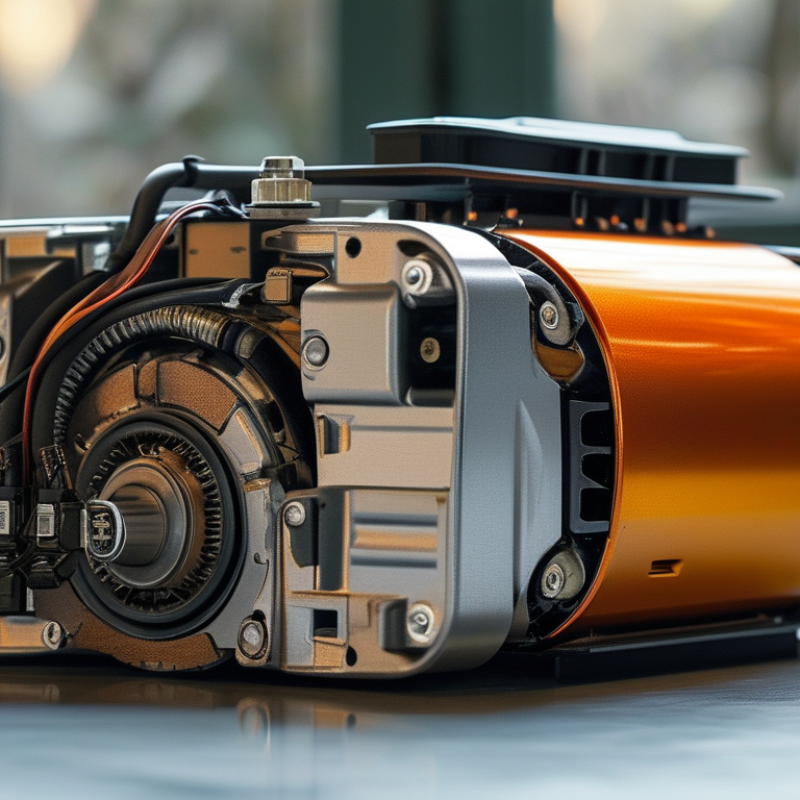
How to Choose the Right PMSM Motor for Your EV Needs?

Understanding the Basics of PMSM Motors in Electric Vehicles

PMSM motors, or Permanent Magnet Synchronous Motors, are crucial in electric vehicles. These motors offer high efficiency and performance. Understanding their basics is essential for choosing the right one for your needs.

A key aspect of PMSM motors is their configuration. They usually come in two types: surface-mounted and interior. Surface-mounted motors are lighter and simpler. However, they may not perform as well under heavy loads. On the other hand, interior PMSMs offer better torque but are more complex. This complexity can lead to more maintenance needs, which is a factor to consider.

Choosing the right motor is challenging. Parameters like power output, size, and weight matter a lot. It's critical to reflect on the intended use of the EV. For urban driving, a smaller, lighter motor might suffice. Yet, for long-distance travel or heavy loads, a more robust interior motor could be beneficial. Exploring these nuances helps ensure you choose wisely.

How to Choose the Right PMSM Motor for Your EV Needs?

Motor Parameter Value Importance
Power Rating (kW) 50-100 Determines performance and load capacity
Torque (Nm) 200-300 Critical for acceleration and hill climbing
Efficiency (%) 90-95 Affects range and battery consumption
Weight (kg) 70-120 Influences vehicle dynamics and efficiency
Cooling Method Air, Liquid Impacts performance under high loads

Key Performance Metrics for Evaluating PMSM Motors

Choosing a Permanent Magnet Synchronous Motor (PMSM) for electric vehicles (EVs) requires careful consideration of key performance metrics. Efficiency is paramount, as it directly affects range and energy consumption. Reports indicate that top-performing PMSM motors reach efficiencies up to 95%, offering significant advantages in energy management. Consider the power density as well. Advanced motor designs can achieve up to 3.7 kW/kg, crucial for optimizing vehicle weight and performance.

Torque is another critical metric. The continuous torque capabilities of PMSM motors can significantly influence acceleration and driving experience. Data shows that high-performance motors can produce 250 Nm or more of continuous torque. This translates to quicker acceleration and better overall handling. However, thermal management must be assessed. Many PMSMs can overheat under heavy loads, leading to reduced performance and potential damage.

Tips: Look for motors with good thermal stability. This ensures longevity and reliability. Evaluate the torque-to-weight ratio to ensure responsiveness. Lastly, always consider the cooling systems to maintain efficiency during intensive use. Balancing these metrics will lead to a well-informed decision.

Choosing the Right Voltage and Power Ratings for Your EV Application

When choosing a Permanent Magnet Synchronous Motor (PMSM) for your electric vehicle (EV), voltage and power ratings are critical. These factors influence the motor's performance, efficiency, and overall suitability for your application. It's essential to match the motor's voltage to your vehicle's battery system for optimal compatibility. Mismatched voltage can lead to inefficiencies or even damage.

Power ratings should reflect the performance requirements of your EV. A higher power rating generally means better acceleration and speed. However, excessive power can result in wasted energy. Finding a balance is crucial. If your EV engages in urban driving, you might not need the same power as one designed for highway cruising.

Tips for Choosing Voltage and Power Ratings:
1. Consider your driving conditions.
2. Understand your EV's weight and intended usage.
3. Consult with experts or engineers to refine your choices.

Be mindful of the potential trade-offs. A motor with lower efficiency may seem appealing initially due to its cost, but its long-term implications can outweigh the benefits. Always reflect on how your choice aligns with your goals for energy efficiency and vehicle performance.

Power Ratings of PMSM Motors for EV Applications

Comparing Efficiency and Thermal Management in PMSM Designs

When choosing a Permanent Magnet Synchronous Motor (PMSM) for electric vehicles (EVs), efficiency and thermal management are crucial factors. Motors convert electrical energy into mechanical energy, and their efficiency directly affects range and performance. High efficiency means less energy loss and longer driving distances. In contrast, inefficient designs may lead to increased heat generation, impacting the overall system's longevity.


Thermal management plays a vital role in maintaining optimal performance. Excessive heat can lead to demagnetization of the motor and increased resistance. Effective cooling methods, such as liquid cooling or air cooling, help manage this heat. However, implementing such systems can add complexity and weight to the vehicle. It’s essential to find a balance between thermal management and overall motor efficiency.


Designing a PMSM involves several trade-offs. A motor optimized for efficiency might not handle heat as well as desired. Motors with compact designs often struggle with heat dissipation. Choosing the right motor is not a straightforward task. Considerations include power output, weight, and thermal characteristics. Each design presents its own unique challenges and opportunities. Understanding these factors is key to selecting the best PMSM for your EV needs.

Assessing Cost vs. Performance Trade-offs for PMSM Motors in EVs

When selecting a Permanent Magnet Synchronous Motor (PMSM) for electric vehicles, cost and performance are crucial factors. A high-performance motor may promise better efficiency and acceleration. However, it often comes at a steeper price. Striking a balance is necessary. Not every application requires the highest performance; sometimes, efficiency at a lower cost can suffice.

Consider your specific needs. Do you prioritize speed or torque? High torque could benefit heavy-duty applications, while speed may matter more for urban driving. Assess the vehicle's overall design, including weight and intended use. Make sure the motor’s specifications align with your vehicle's requirements.

Tips:
1. Calculate total costs, not just the motor's price.
2. Analyze the motor's efficiency at various speeds to avoid performance pitfalls.
3. Always test different options; theoretical performance may not match real-world outcomes.

Every approach has benefits and drawbacks; it's vital to evaluate these aspects thoroughly. While a more powerful motor might seem appealing, it can lead to higher energy consumption and increased operational costs. Reflect on what truly matters for your EV.

We Meet Our Clients Needs.

Meeting the diverse needs of our clients, we have complete machining facilities for everything from single part prototypes to large quantity production. Our small size is one of our biggest assets. It allows us to control costs and maintain the highest of standards.

Quality orientated  and delivery always on time or earlier than originally promised.

Strongly recommend MSD.