
How to Choose the Right Scientific Soil Fertiliser Nutrient Tester?

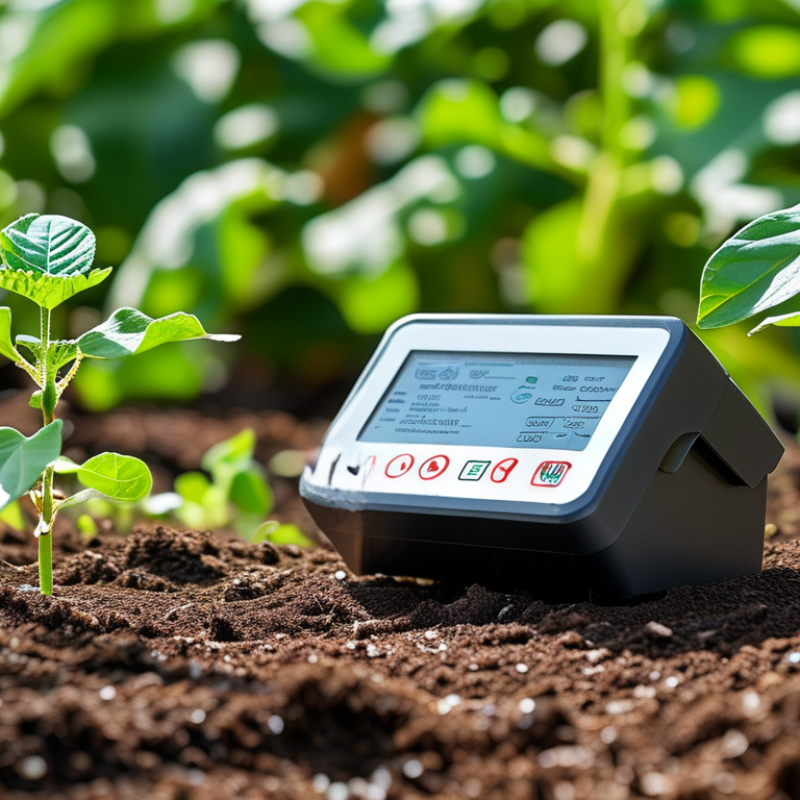
Choosing the right scientific soil fertiliser nutrient tester is crucial for successful gardening and farming. One popular choice is the Scientific Soil Fertiliser Nutrient Tester IN-HT500. This device offers reliable measurements of key nutrients in the soil. Understanding soil health can make a significant difference in crop yields.

Many gardeners and farmers often underestimate soil testing. They rely on past experiences or guesswork. However, this approach can lead to poor plant health. The IN-HT500 provides an accurate analysis of essential nutrients like nitrogen, phosphorus, and potassium. It’s built for both professionals and enthusiasts.

A reliable tester should combine ease of use with accuracy. While the IN-HT500 is user-friendly, users must consider their specific needs. Not all soil types and conditions are the same. Reflecting on these factors can enhance the testing process. With the right approach, the IN-HT500 can guide you to healthier plants and bountiful harvests.
How to Choose the Right Scientific Soil Fertiliser Nutrient Tester?

Understanding the Importance of Soil Nutrient Testing

Soil nutrient testing plays a crucial role in successful gardening and farming. Understanding the nutrient levels in your soil helps you make informed choices about fertilizers. It ensures that plants receive the essential nutrients they need to thrive. Many gardeners overlook this vital step, often leading to poor growth and unproductive yields. Testing the soil can reveal deficiencies or excesses of nutrients.

Using a soil tester can seem overwhelming initially, but its benefits far outweigh the complexities. A good tester will provide insights into pH levels and nutrient content, such as nitrogen, phosphorus, and potassium. Each of these elements plays a specific role in plant health. For example, nitrogen promotes leafy growth, while potassium strengthens roots. Yet, not every soil tester is accurate. Investing time to choose a reliable tool is essential.

Some tests may yield inconsistent results, prompting the need for retesting. This process allows for adjustments and improvements. Understanding your soil's makeup fosters a stronger connection with the earth. It turns gardening into a science, balancing nature with the gardener's intent. By learning more about soil nutrients, you can adapt your approach to cultivation, ultimately leading to healthier plants and better harvests.

Types of Soil Fertiliser Nutrient Testers Available

When selecting a soil fertiliser nutrient tester, understanding the types available is essential. Different testers serve various needs. Some focus on pH levels, while others measure nitrogen, phosphorus, and potassium. Knowing what you wish to measure can save you time and effort. A pH tester helps assess soil acidity or alkalinity, which is crucial for plant health.

Another option is a multi-nutrient tester. These devices examine multiple nutrient levels simultaneously. They provide a broad overview of soil health. Often, they come with visual displays for easier readings. Some users may find them complex at first. However, with practice, they can become valuable tools. It’s worth noting that not all testers are equally reliable. Calibration and proper usage are vital for accurate results.

Some testers are portable, making them convenient for fieldwork. Others are designed for lab analysis, offering in-depth insights. Each type has its pros and cons. It’s essential to reflect on your specific needs. Choosing the right tester can significantly impact soil management. Be prepared to experiment with different options before settling on the best one for your gardening or farming goals.

Soil Fertiliser Nutrient Tester Comparison

Key Features to Consider When Choosing a Tester

When selecting a scientific soil fertilizer nutrient tester, various key features are essential to ensure accurate measurements. Users should prioritize testers that offer a wide range of nutrient analyses, such as nitrogen, phosphorus, and potassium levels. According to data from the Soil Science Society of America, these nutrients are crucial for plant growth. A good tester should analyze at least three to five essential nutrients to provide comprehensive insights into soil health.

Calibration and ease of use are also critical considerations. A tester that requires minimal calibration steps can be more user-friendly, especially for novice gardeners. Research indicates that incorrect calibration can lead to inaccurate results, affecting fertilization plans. Timer functions or automatic shut-off features may enhance usability. Furthermore, portability plays a significant role. Readers often prefer lightweight designs that can be easily transported to various testing locations.

Lastly, durability cannot be overlooked. Users should seek testers made from high-quality materials to withstand outdoor conditions. A reliable device can last multiple seasons, providing consistent data. While it is easy to focus solely on features, reflection on long-term performance is crucial. Investing in a robust tester often offers greater value, ensuring informed decisions for soil management.

How to Interpret Soil Test Results Effectively

Interpreting soil test results is crucial for effective crop management. A recent report from the Soil Science Society highlights that understanding nutrient levels can significantly impact yield. Accurate readings of nitrogen, phosphorus, and potassium are fundamental. Many farmers misinterpret these values, leading to under or over-fertilization.

For example, a soil test may show low nitrogen levels, but the actual need could vary. Factors such as soil type and crop requirements play a vital role. Analysis from the American Society of Agronomy indicates that organic matter content also affects nutrient availability. Farmers must consider these variables for a true assessment.

Moreover, pH levels also impact nutrient availability. A soil pH below 6.0 may limit nutrient uptake. Awareness of these relationships can prevent costly mistakes. It’s not just about following standard guidelines blindly; local conditions matter. Engaging with local agronomists can enhance understanding of these results. This approach ensures a more tailored and effective fertilizer application strategy.

Best Practices for Accurate Soil Testing Procedures

When selecting a scientific soil fertiliser nutrient tester, accurate soil testing is essential for optimal plant growth. Understanding soil conditions helps determine nutrient requirements. Many factors influence soil health, including pH, moisture, and organic matter. Each plays a role in nutrient availability.

Tips: Always collect soil samples from different areas of your garden. This ensures a representative analysis. Use clean tools to avoid contamination, which can skew results. It’s important to avoid taking samples after heavy rain or extreme dryness, as these conditions affect moisture levels.

Testing procedures vary. Follow the manufacturer’s instructions closely. Preparing samples accurately is crucial. Different soils might require various amounts of the tester's calibration solution. Make sure to note these details to ensure reliable results. Use proper handling techniques to prevent sample degradation.

Be mindful that even minor errors can lead to inaccurate readings. Take the time to reflect on your methods. Calibration of devices may also need regular checks for consistent performance. Always record your findings to track changes over time. This practice helps in making informed decisions for soil management.

We Meet Our Clients Needs.

Meeting the diverse needs of our clients, we have complete machining facilities for everything from single part prototypes to large quantity production. Our small size is one of our biggest assets. It allows us to control costs and maintain the highest of standards.

Quality orientated  and delivery always on time or earlier than originally promised.

Strongly recommend MSD.