
How to Choose the Right SiC Power Module for Your Needs?
When selecting a SiC Power Module, the journey may seem daunting. The array of options available can overwhelm users. Understanding your specific needs is crucial. SiC Power Modules are known for their efficiency and reliability. They are essential for various applications, from renewable energy to automotive systems.
Experts agree that considering key factors is vital. These include voltage ratings, thermal performance, and switching frequencies. Each factor influences the module’s performance. For example, higher voltage ratings may suit industrial applications better. However, they can also lead to increased heat generation. You must think through these trade-offs.
Choosing the right SiC Power Module is not just about specifications. Experience plays a role too. Learning from past selections and real-world applications helps shape future decisions. Reflecting on previous experiences can guide you toward more informed choices. Ultimately, the right module aligns with your goals and operational demands.
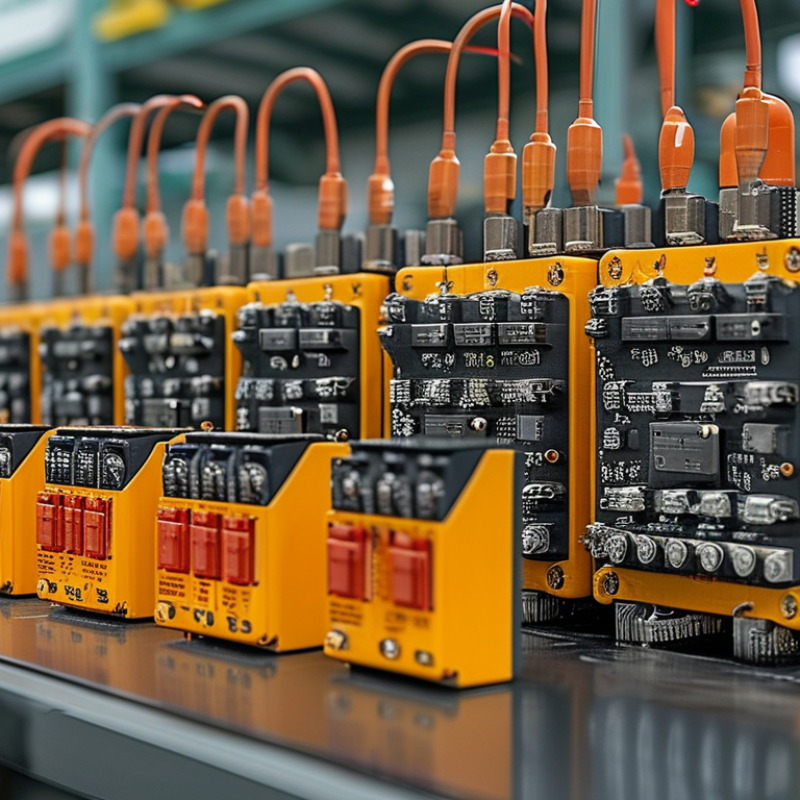
Understanding SiC Power Modules: Key Features and Benefits
Silicon Carbide (SiC) power modules gain popularity due to their efficiency and thermal performance. These modules, known for high voltage and speed, benefit various industries. For example, the adoption of SiC technology in electric vehicles (EVs) can improve efficiency by up to 20%, according to a report by the International Energy Agency (IEA). This increased efficiency translates to extended battery life and greater driving range for EV users.
One key feature of SiC power modules is their ability to operate at high temperatures. They can handle temperatures up to 200 degrees Celsius. This high-temperature capability leads to a reduction in cooling system size, which benefits design compactness. However, manufacturers must address potential thermal management challenges. Careful selection of materials and designs is crucial for optimal performance.
Additionally, SiC modules enhance power density. They offer higher power output in smaller packages. Reports indicate that SiC technology can lead to a reduction in system size by 30% or more. Despite these advantages, integrating SiC modules in existing systems can be a challenge. Testing and validation often require significant time and resources. Understanding the specific requirements and limitations of your application is essential for success.
Assessing Your Application Requirements for SiC Power Modules
Assessing your application requirements for silicon carbide (SiC) power modules is crucial. These modules are becoming essential in high-performance sectors. According to a recent Frost & Sullivan report, the global SiC semiconductor market is projected to reach $4.3 billion by 2025. This indicates significant growth in industries like automotive and renewable energy.
When selecting a SiC power module, consider your voltage, current, and thermal management needs. Many applications require high efficiency and thermal performance. For instance, electric vehicle systems demand modules that can handle high voltages over 800V. As per industry analysis, SiC modules can achieve efficiencies above 98%, a key selling point for many applications. However, the initial costs can be higher compared to traditional silicon solutions.
Device size and integration level are also important. Compact designs can be beneficial for space-constrained applications. However, this may lead to increased thermal resistance and heat dissipation challenges. Addressing these concerns early on can prevent potential failures in the field. Additionally, understanding your specific application environment—like temperature extremes—can guide your selection process effectively.
How to Choose the Right SiC Power Module for Your Needs?
| Parameter | Description | Considerations |
|---|---|---|
| Voltage Rating | Maximum voltage the module can handle. | Ensure it exceeds your application's voltage requirements. |
| Current Rating | Maximum continuous current output of the module. | Select based on load current and peak demands. |
| Thermal Resistance | Resistance to thermal conductivity affecting heat dissipation. | Consider cooling requirements in your design. |
| Switching Frequency | The frequency at which the module can switch on and off. | Higher frequencies may improve efficiency but increase losses. |
| Package Type | The physical enclosure of the module. | Factors include size constraints and mounting options. |
| Control Method | The way the power module is controlled (e.g., PWM). | Choose based on compatibility with your control system. |
| Protection Features | Integrated features that help protect the module from failure. | Assess your application's need for protection levels. |
Evaluating Performance Characteristics of Various SiC Modules
Selecting the right Silicon Carbide (SiC) power module hinges on understanding various performance characteristics. SiC devices have gained attention due to their efficiency in high-temperature and high-voltage applications. According to a recent report by the International Energy Agency (IEA), SiC modules can achieve energy savings of up to 30% compared to conventional silicon devices. This performance enhancement is crucial for applications in electric vehicles and renewable energy systems.
One important factor is the thermal performance of SiC modules. Effective thermal management can enhance reliability and lifespan. Data from the Power Semiconductor Research Center suggests that maintaining a junction temperature below 150°C can significantly extend module life. However, achieving this requires careful design considerations and thermal interface materials, which some engineers overlook.
Switching frequency is another key parameter. Higher frequencies enable reduced filter sizes, but lead to increased electromagnetic interference. A study by the IEEE defines optimal switching ranges for SiC modules, which is often misunderstood. Many designs fail at balancing the trade-offs in switching performance and thermal management. This indicates a need for deeper exploration into specific application requirements.
Comparing Cost and Efficiency for Different SiC Power Solutions
When selecting a SiC power module, cost and efficiency are paramount considerations. Different solutions offer varying price points. Some might appear attractive due to lower upfront costs. However, they may lack efficiency, leading to higher operating expenses over time. It’s crucial to consider the long-term benefits versus initial savings.
Efficiency translates to performance in real-world applications. For instance, a more efficient SiC module can reduce energy loss significantly. This means lower heat generation and fewer cooling requirements. In industries focusing on sustainability, such choices align with green goals. Yet, not all modules excel in every application. Specific needs should drive the decision-making process.
Finding the right balance can be challenging. It's easy to get swayed by marketing claims. Independent evaluations can help clarify choices. Look for peer-reviewed data or expert recommendations. Always consider how the chosen module aligns with your system requirements. This reflection is vital for achieving optimal performance while managing costs effectively.
Selecting the Right Supplier: Factors to Consider for SiC Modules
Choosing the right supplier for SiC power modules hinges on several crucial factors. Start by assessing the supplier's experience in the industry. Look for companies that have a long history of providing reliable SiC solutions. This experience can indicate a deep understanding of the technology and its applications. It’s vital to select a supplier who can demonstrate their expertise through successful projects and satisfied clients.
Evaluate the quality assurance processes in place. Ensure the supplier adheres to rigorous testing standards. A reliable supplier should provide clear specifications and documentation. This transparency helps you understand the performance and reliability of the modules. It’s not uncommon to encounter suppliers who claim high standards, but their actual quality may vary. Research past performance reviews and ask for case studies.
Tips: Always inquire about their technical support. A knowledgeable support team can help solve issues that arise during integration. Establish communication to ensure they are responsive to your queries. Consider long-term partnerships. Suppliers who invest in ongoing research and development often provide better future-proof solutions. Don't hesitate to seek multiple quotations and check references before making your decision.
Article Source:
We Meet Our Clients Needs.
Meeting the diverse needs of our clients, we have complete machining facilities for everything from single part prototypes to large quantity production. Our small size is one of our biggest assets. It allows us to control costs and maintain the highest of standards.
Quality orientated and delivery always on time or earlier than originally promised.
Strongly recommend MSD.