
How to Choose the Best Coiling and Packing Machine?
In the world of manufacturing, choosing a Coiling and Packing Machine can be challenging. Experts emphasize the importance of selecting the right equipment to ensure efficiency and quality. John Anderson, a leading expert in packaging technology, once stated, "The right machine can redefine your production line." This highlights how critical the decision is.
Understanding your specific needs is essential. Are you packaging sensitive products? What is your production speed? These questions are fundamental. Many businesses overlook the importance of machine versatility. It can lead to inefficiencies and increased costs.
A great Coiling and Packing Machine should not just fit your budget. It should also cater to your production scale and product type. Mistakes in this area can be costly. Reflect on past choices made in equipment selection. Did they meet expectations? An informed decision now can save time and money later.
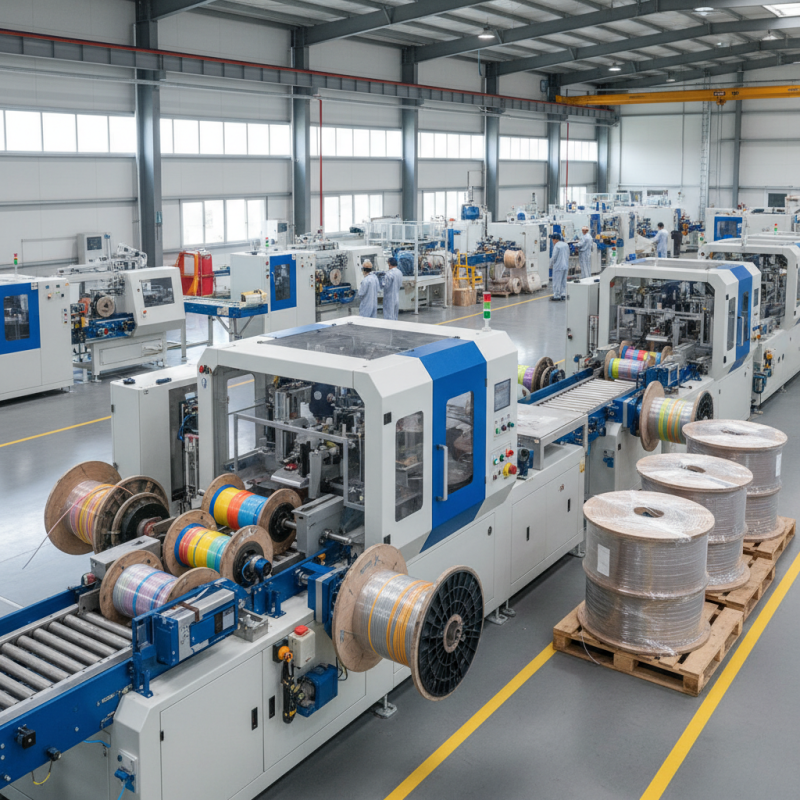
Understanding Coiling and Packing Machine Specifications
Choosing the right coiling and packing machine is essential for efficiency. Understanding machine specifications plays a crucial role in this process. Key specifications include speed, coil diameter, and packing efficiency. These factors determine how quickly and effectively your products are coiled and packaged. For example, a machine with a high speed may seem ideal. However, it might sacrifice packing quality in the process.
Look at the materials used in production. Some machines use lighter components, which affect durability. A machine that is robust will last longer, but may cost more. This balance between price and quality needs careful consideration. Moreover, check for ease of operation. Complicated controls can lead to errors and downtime.
Maintenance is another vital aspect. Machines that require frequent servicing can disrupt operations. It's crucial to assess the serviceability of the machine. Can you find parts easily? Are manuals clear? These questions will guide your choice. Ultimately, reflecting on these specifications can prevent costly mistakes.
Identifying Your Product Needs for Coiling and Packing
When choosing the best coiling and packing machine, start by identifying the specific needs of your product. Consider the size and shape of your items. Different products require different solutions. For instance, fine wires need delicate handling, while bulkier items demand robust mechanisms. Understanding these dimensions is crucial for effective packing.
Think about the materials used in your products. Are they fragile or durable? Machines designed for delicate items often have added cushioning features. This might not be essential for sturdier products. Reflect on your current packing challenges. Are there inefficiencies or delays? Addressing these pain points can help guide your decision.
Also, consider the production volume. A bustling factory might require high-speed mechanisms. Lower volumes may benefit from more versatile, manual options. Flexibility is key. However, overthinking can lead to inaction. Evaluate your priorities, but keep it simple. Sometimes, the best choice lies in solutions that balance speed and care. Aim for a machine that fits your needs without overwhelming complexity.
Evaluating Different Types of Coiling and Packing Machines
When evaluating different types of coiling and packing machines, it's crucial to consider multiple factors that impact efficiency. Machines come with various features, affecting their usability. Speed is a vital aspect; some machines operate quickly, while others are slower but precise. Make a note of the machine’s speed during your evaluation.
Another important factor is the size of the machine. Ensure it fits within your workspace. Compact machines save space but might have limited capabilities. In contrast, larger machines often handle more volume but require more floor area.
Tips: Always assess the user interface. A complicated machine may lead to mistakes. Simplicity can increase productivity. It’s also wise to read reviews. Other users may highlight issues you hadn’t considered.
Keep an eye on maintenance needs. Some machines are easy to service, while others can be a chore. Regular maintenance can prevent costly breakdowns. Reflect on your long-term needs. Buying a machine is a significant investment, and you want to ensure it serves you well over time.
How to Choose the Best Coiling and Packing Machine? - Evaluating Different Types of Coiling and Packing Machines
| Machine Type | Strengths | Weaknesses | Best For | Price Range |
|---|---|---|---|---|
| Automatic Coiling Machine | High speed, consistent quality | Higher initial investment | Mass production environments | $20,000 - $50,000 |
| Semi-Automatic Coiling Machine | Lower cost, flexible operation | Requires manual input | Small to medium businesses | $10,000 - $30,000 |
| Manual Coiling Machine | Cost-effective, easy maintenance | Labor-intensive, slower speed | Startup operations, low volume | $2,000 - $8,000 |
| Packing Machine - Horizontal | Versatile, space-saving | Limited to certain products | Food and pharmaceuticals | $15,000 - $40,000 |
| Packing Machine - Vertical | Efficient for granular products | Requires more room, less versatility | Snacks, grains, powders | $12,000 - $35,000 |
Comparing Manufacturer Reputation and Customer Reviews
When choosing a coiling and packing machine, manufacturer reputation and customer reviews are crucial. A strong reputation often reflects quality and reliability. Consider looking for companies with years of experience. Their history can indicate a stable and trustworthy operation. Newer companies might have innovative designs but lack proven performance. Sometimes, it's hard to tell if a new machine will hold up.
Customer reviews provide valuable insights. Look for patterns in feedback. Are most reviews positive? Are there recurring issues mentioned? Pay attention to both high praise and criticisms. A single negative review can sometimes be an outlier. But multiple complaints about the same problem deserve attention. Real users often highlight details that manufacturers might not emphasize.
However, not all reviews are objective. Some might be biased or untruthful. Be cautious of overly enthusiastic testimonials. Balance your research by cross-referencing different sources. Personal experiences can vary widely, leading to mixed results. This complexity means you should reflect on your specific needs. The right machine for one project may not suit another. Take your time in this important decision.
Considering Budget and Total Cost of Ownership for Machines
When selecting a coiling and packing machine, understanding the budget and total cost of ownership is crucial. According to industry reports, initial purchase prices are just one part of the equation. Ongoing operational costs, maintenance, and efficiency play significant roles in the overall expenditure. A machine that appears affordable may incur higher costs over time, leading to unanticipated budget constraints.
It’s essential to evaluate energy consumption and expected downtime. A highly efficient machine might have a higher upfront cost but can save companies up to 30% in energy bills annually. Maintenance costs often rise with complex machinery, which can lead to excessive downtime. Simple machines may have lower maintenance costs, yet they might not deliver the same output. A 2022 analysis showed that businesses often underestimated these ongoing costs by as much as 25%.
Return on investment (ROI) calculations can also prove misleading. Companies often focus solely on the purchase price and overlook additional factors that can influence overall savings. Reflecting on these details ensures smarter choices. Flexibility in production needs should be considered too. A machine that handles multiple products might require different setups, impacting time and costs. Evaluating these aspects thoroughly can lead to better decision-making.
Cost Comparison of Coiling and Packing Machines
Article Source:
We Meet Our Clients Needs.
Meeting the diverse needs of our clients, we have complete machining facilities for everything from single part prototypes to large quantity production. Our small size is one of our biggest assets. It allows us to control costs and maintain the highest of standards.
Quality orientated and delivery always on time or earlier than originally promised.
Strongly recommend MSD.