
How to Choose the Best Money Bill Counter Machine
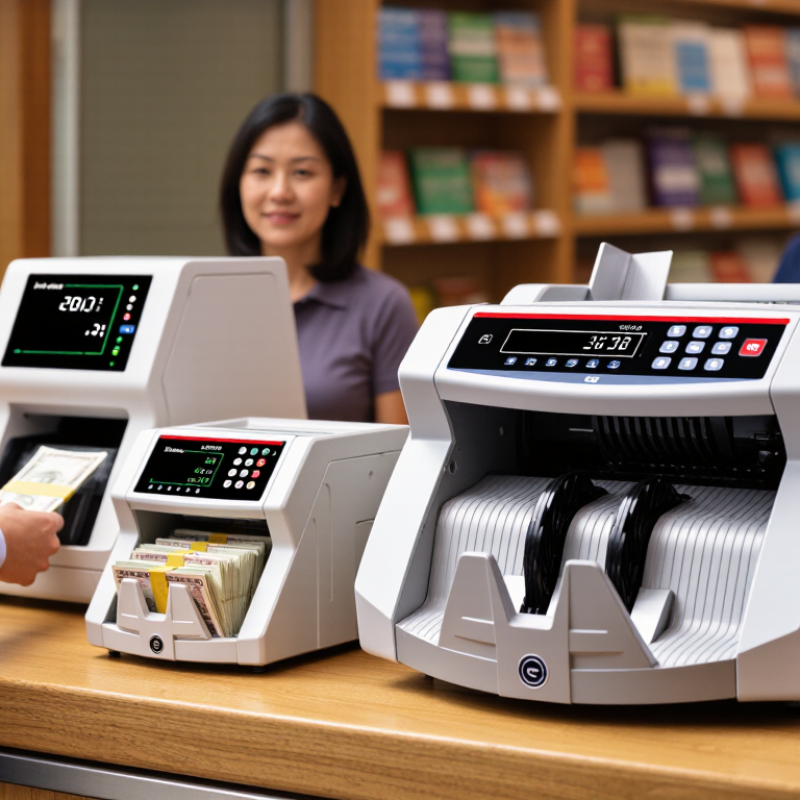
Choosing the right Money Bill Counter Machine starts with the daily work it must handle. A small retail counter may need a compact unit for occasional cash deposits. A busy cashier station may need faster counting, clear batch settings, and reliable counterfeit-detection features. Consider the currencies, note condition, and average bundle size your staff sees each day. Then compare counting speed with accuracy, noise, display readability, jam access, and service support. A machine that looks impressive in a product listing can still feel awkward beside a crowded till.
As cash-handling specialist [insert verified expert name] puts it, “A counter should prove its value at the pace and conditions of the real cash desk.” Verify the expert’s identity and quotation before publication; no source for a named expert statement was provided for this draft. That matters because trust should rest on evidence, not a polished-sounding attribution. Ask suppliers for a live demonstration using mixed, worn notes, and check how the machine flags errors. Watch the feed tray, listen to the motor, and see whether staff can clear a jam without guesswork. Small details count.
A good choice balances throughput with dependable results and practical support. Check warranty terms, maintenance needs, and the availability of replacement parts. Think about who will use the machine, too. Clear controls can save time during a busy shift. There is no universal winner. The best Money Bill Counter Machine is the one that suits your cash volume, workspace, and verification routine—and continues to do so after the novelty wears off.
How Money Bill Counter Machines Work
How Money Bill Counter Machines Work
A money bill counter separates notes with rubber rollers, then moves them past electronic sensors at a steady speed. Each passing note interrupts a light beam, allowing the machine to register one count. More advanced models capture images and compare note size, color, and printed features to identify denominations. Depending on the currency and model, ultraviolet, magnetic, or infrared sensors can flag unusual characteristics. Suspect or misfed notes may be sent to a reject pocket for manual inspection. Small details matter. In practice, worn rollers, folded corners, and mixed note sizes can affect accuracy, so regular cleaning and test counts are important. Still, no machine is perfect.
When choosing a counter, match its sensors and operating mode to the notes you handle. A basic batch counter may suit one denomination; mixed-value cash calls for denomination recognition. Check whether the machine records totals by denomination and has a separate reject path. The Federal Reserve’s 2023 Diary of Consumer Payment Choice reported that cash accounted for 16% of consumer payments, showing why reliable cash handling remains useful. That figure describes U.S. consumer payments, not every business’s needs.
Tips: Feed clean, aligned notes; test a known stack; and recount any batch with frequent rejects. Keep a simple maintenance log. It may feel excessive, but it helps reveal recurring feed problems before they disrupt closing time.
| Feature or Decision | How It Works | Typical Details | What to Look For |
|---|---|---|---|
| Basic counting method | Feed rollers move notes from the hopper past sensors. The machine detects each passing note and adds it to the count. | Most standard counters report the number of notes processed, not their total monetary value. | Choose a basic counter for sorting or counting uniform stacks of notes when value verification is not required. |
| Counting speed | Speed indicates how many notes the machine can process in one minute under suitable operating conditions. | Many commercial models list speeds around 600–1,500 notes per minute; actual throughput depends on note condition and feeding. | Match speed to daily volume. Stable feeding and reliable detection are more useful than maximum speed alone. |
| Hopper and stacker capacity | The hopper holds notes before counting; the stacker collects them after they pass through the machine. | Capacity varies by model and note condition. Manufacturer specifications commonly state separate hopper and stacker limits. | Check both capacities and leave room for uneven, worn, or curled notes rather than assuming every stack will fit to its stated limit. |
| Batch counting | The operator sets a target quantity. The machine stops or signals when that number of notes has been counted. | Common uses include preparing fixed-size bundles or separating a large stack into smaller groups. | Look for an easy-to-set batch size and a clear alert or stop function if you frequently prepare cash bundles. |
| Adding and accumulating | An add function keeps a running total across multiple feeding cycles instead of resetting after each batch. | Useful when a stack is larger than the hopper capacity or when notes are counted in several loads. | Confirm the displayed total remains visible and can be reset easily between separate jobs. |
| Value counting and denomination sorting | More advanced machines use sensors to identify note denominations. Value-counting models calculate a total amount; sorting models can flag or separate different denominations. | Recognition capabilities vary by currency, note series, and machine configuration. Mixed-denomination value counting is not a standard feature of basic note counters. | Verify supported currencies and denominations before purchase. For mixed stacks, choose a model specifically designed for denomination recognition. |
| Counterfeit and note detection | Depending on the model, sensors may inspect properties such as ultraviolet response, magnetic features, infrared patterns, size, or note thickness. | Detection methods and supported currencies differ. An alert indicates a note needs review; it is not a guarantee that every counterfeit will be detected. | Check which detection methods are included and whether they are suitable for the currencies you handle. Review flagged notes manually. |
| Double-note and half-note detection | Thickness, size, or related sensors can detect notes that feed together or pass through incompletely. | Detection may stop the count or trigger an alert so the operator can inspect the stack and recount if needed. | Prioritize this feature when accurate totals matter, especially when handling worn, folded, or mixed-condition notes. |
| Note condition and preparation | Consistent feeding depends on notes entering the rollers individually and in the correct orientation. | Wet, heavily creased, torn, stapled, or foreign objects can cause jams or inaccurate counts. | Remove clips and damaged notes, straighten folded edges, and follow the machine’s loading instructions before counting. |
| Display, alerts, and controls | The display shows the count, selected mode, batch target, or error alerts. Controls let the operator change settings and restart a job. | Displays and available modes vary from simple count readouts to menus for batch, add, and denomination functions. | Choose readable controls and clear error messages, particularly if multiple employees will use the machine. |
| Choosing the right machine | Start with the task: simple note counting, batching, mixed-denomination value counting, or currency-specific verification. | Capabilities, supported currencies, capacity, and detection features vary substantially among machines. | Compare required functions, stated speed, capacity, currency support, maintenance needs, and the availability of operating instructions. |
Note: Specifications are general examples, not guarantees. Check the operating manual and the stated capabilities of the particular machine before use.
We Meet Our Clients Needs.
Meeting the diverse needs of our clients, we have complete machining facilities for everything from single part prototypes to large quantity production. Our small size is one of our biggest assets. It allows us to control costs and maintain the highest of standards.
Quality orientated and delivery always on time or earlier than originally promised.
Strongly recommend MSD.