How to Choose the Right Tool CNC Machine for Your Projects?

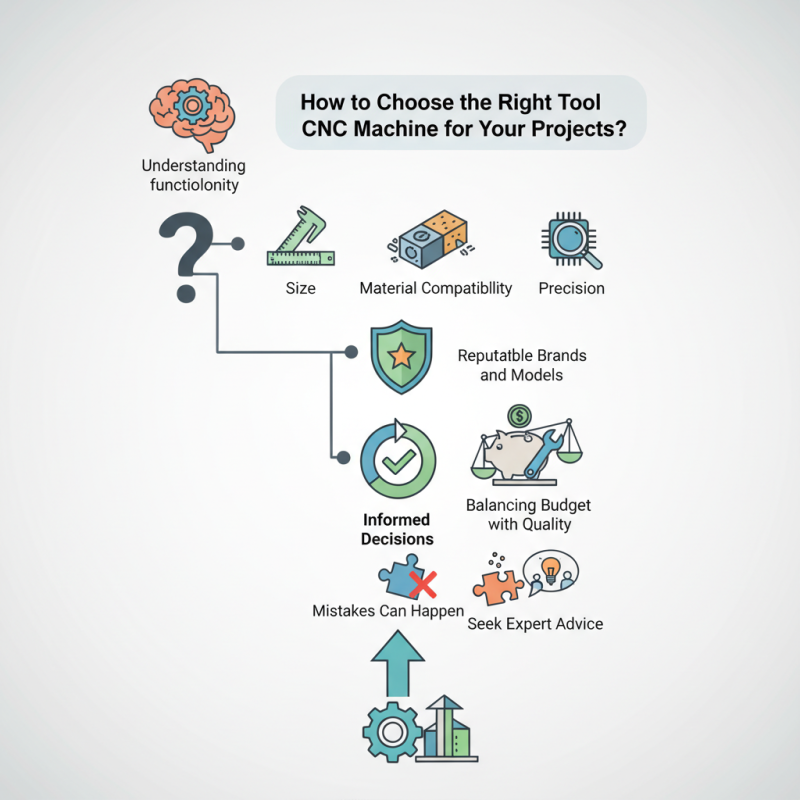
Choosing the right tool CNC machine can significantly impact your projects. With various options available, it can be a daunting task. The right choice depends on your specific needs and application. Factors to consider include size, material compatibility, and precision.

Understanding the functionality of different tool CNC machines is crucial. You might feel overwhelmed by the technical jargon. However, familiarity with the basics will help you make informed decisions. Researching reputable brands and models can also enhance your confidence. Balancing your budget with quality tools is important.

Mistakes can happen during this selection process. It might be easy to overlook essential features. Don’t hesitate to seek expert advice. Experienced users often share valuable insights that can guide you. Being informed equips you to choose wisely, ensuring your projects meet your expectations.
How to Choose the Right Tool CNC Machine for Your Projects?

Understanding Your Project Requirements for CNC Machining

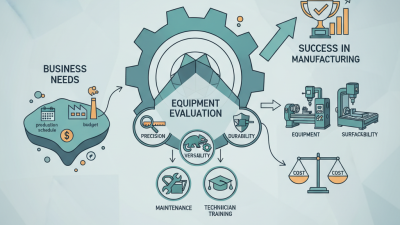
Choosing the right CNC machine requires a deep understanding of your project requirements. Each project can have unique specifications, including material type, desired finish, and complexity. Evaluate your project's primary needs before selecting a machine. Are you working with softwoods, metals, or plastics? The machine’s capabilities must align with the materials you plan to use.

Think about the complexity of your designs. Detailed designs may need advanced CNC features. Simpler projects might benefit from more basic machines. Be clear about tolerances and precision requirements. A machine that cannot achieve the necessary accuracy may lead to compromised outcomes, requiring rework. This could inflate costs and extend timelines.

Reflect on your experience level as well. If you are new to CNC machining, consider starting with more user-friendly machines. Their learning curve is less steep, and they often come with better support. However, be aware that every tool has its limitations. Understanding not just the strengths but also the weaknesses of a machine is essential for effective project execution. This deeper awareness can guide you toward making informed decisions that align with your specific project needs.
Evaluating Different Types of CNC Machines Available in the Market

How to Choose the Right Tool CNC Machine for Your Projects?

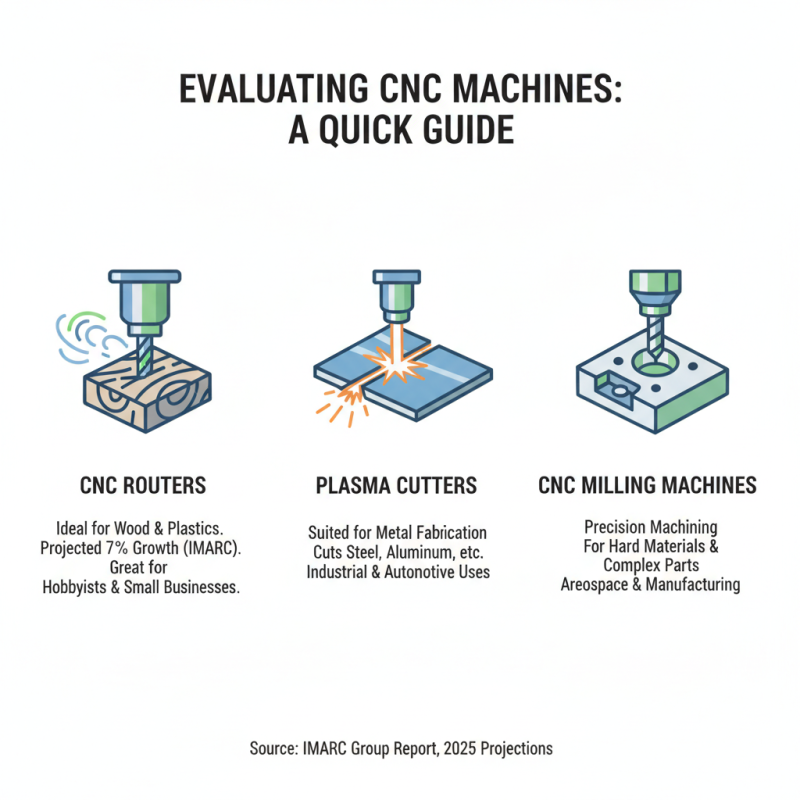
When evaluating CNC machines, understanding the various types available is essential. CNC routers, plasma cutters, and milling machines serve different purposes. For example, a report by the International Market Analysis Research and Consulting Group (IMARC) indicates that CNC routers are ideal for woodworking and plastics, with a projected growth rate of over 7% until 2025. This makes them an excellent choice for hobbyists and small businesses.

Milling machines, on the other hand, are pivotal in metalworking. Data from Technavio highlights that the CNC milling machine market is expected to grow by nearly 9% annually through 2024. It's crucial to assess the materials you plan to work with before choosing. Always consider machine specifications like spindle speed and tooling options. Each project might reveal limitations in machine capabilities.

However, not every CNC machine serves all purposes perfectly. Users often encounter challenges like compatibility with specific software or the learning curve associated with operation. Reflecting on these factors can prevent future troubles. Careful evaluation of your needs combined with realistic expectations will lead to a more satisfactory investment.

Key Features to Consider When Selecting a CNC Machine

How to Choose the Right Tool CNC Machine for Your Projects?

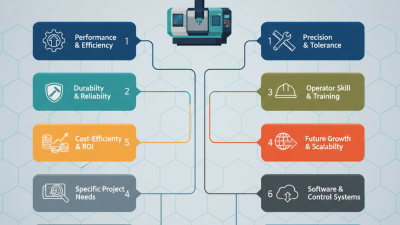
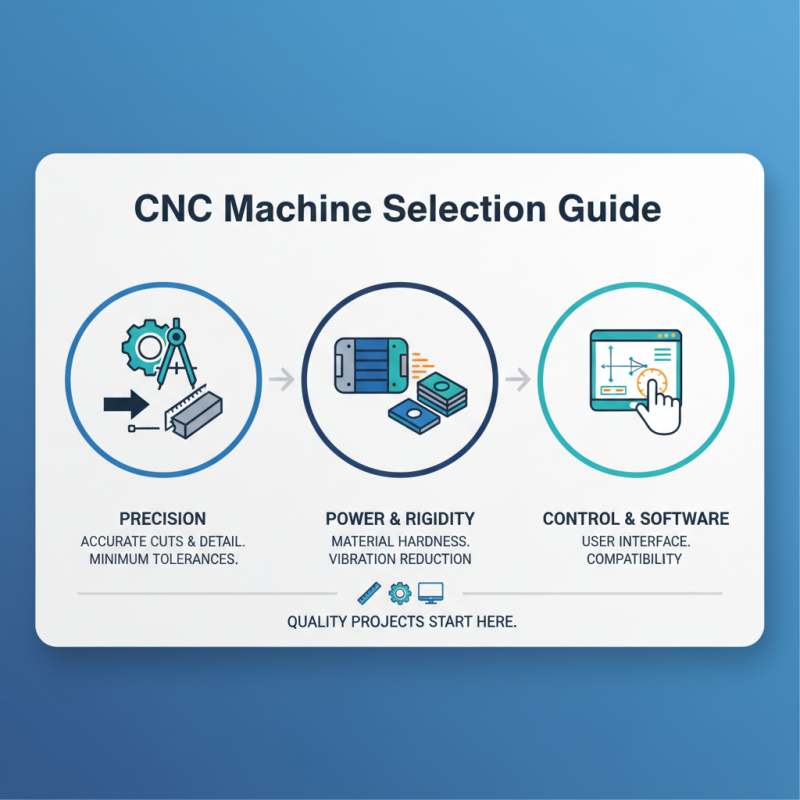
Choosing the right CNC machine requires attention to several key features. First, consider the machine's precision. A precise tool ensures accurate cuts and detailed designs. Look for specifications that indicate minimum tolerances, as this will impact the overall quality of your projects.

Next, evaluate the machine's size and capacity. A larger machine can handle bigger projects but may require more space. Think about your workshop layout. Also, check the material compatibility. Not all machines can work with metals, plastics, or wood effectively.

Another aspect to reflect on is user-friendliness. A complicated interface may hinder productivity. Beginners might prefer machines with intuitive controls. Additionally, consider how easy it is to find replacement parts. A reliable support system is crucial as it avoids downtime. Remember, your choice should match your skill level and project requirements. Each feature plays a role in your overall success.

Assessing Budget and Cost-Effectiveness in CNC Machine Choices

When selecting the right CNC machine, budget is a critical factor. According to a recent industry report, small to medium-sized businesses typically allocate 20-30% of their overall equipment budget to CNC machines. This significant investment demands careful consideration of both upfront costs and long-term expenses.

Cost-effectiveness isn't just about the purchase price. Operational costs, maintenance, and training can quickly add up. A study from the Manufacturing Institute indicates that neglecting these factors may lead to up to 50% higher operational costs over time. It's essential to evaluate not only how much you invest initially but how that machine will perform in the long run.

Tips: Consider used or refurbished machines. They can provide significant savings. Also, analyze your production volume. A more extensive operation may benefit from a higher initial investment, maximizing efficiency. Reflect on your actual needs, as a machine with extensive features may not justify its cost if only basic functions are used.

Researching Manufacturer Reputation and Support Services for CNC Machines

When selecting a CNC machine, it's crucial to research the manufacturer's reputation. A reliable manufacturer will have a proven track record. Look for reviews from previous customers, as they can provide valuable insights. Trust can be built through consistent performance and positive feedback. Focus on feedback related to product quality and service reliability.

Support services are equally important. Investigate the levels of support offered post-purchase. A manufacturer that provides thorough training and responsive customer service is essential. Consider their availability for technical assistance. Delayed support can hinder project timelines. Sometimes, manufacturers over-promise and under-deliver on service. Reflecting on these aspects helps ensure a smoother experience.

Lastly, explore the longevity of the manufacturer in the industry. Established companies often have deeper resources for innovation and support. However, newer companies can also bring fresh ideas. Weigh the pros and cons carefully. Take time to connect with current users. Their experiences can greatly influence your decision. This step may reveal areas for further consideration.

We Meet Our Clients Needs.

Meeting the diverse needs of our clients, we have complete machining facilities for everything from single part prototypes to large quantity production. Our small size is one of our biggest assets. It allows us to control costs and maintain the highest of standards.

Quality orientated  and delivery always on time or earlier than originally promised.

Strongly recommend MSD.