How to Choose the Right Machine Tool for Your Business?

Choosing the right machine tool is crucial for your business’s success. The machine tool influences productivity, efficiency, and quality. However, making the right choice can be challenging. With countless options available, it’s essential to consider what best fits your specific needs.

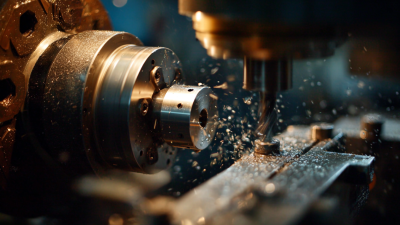
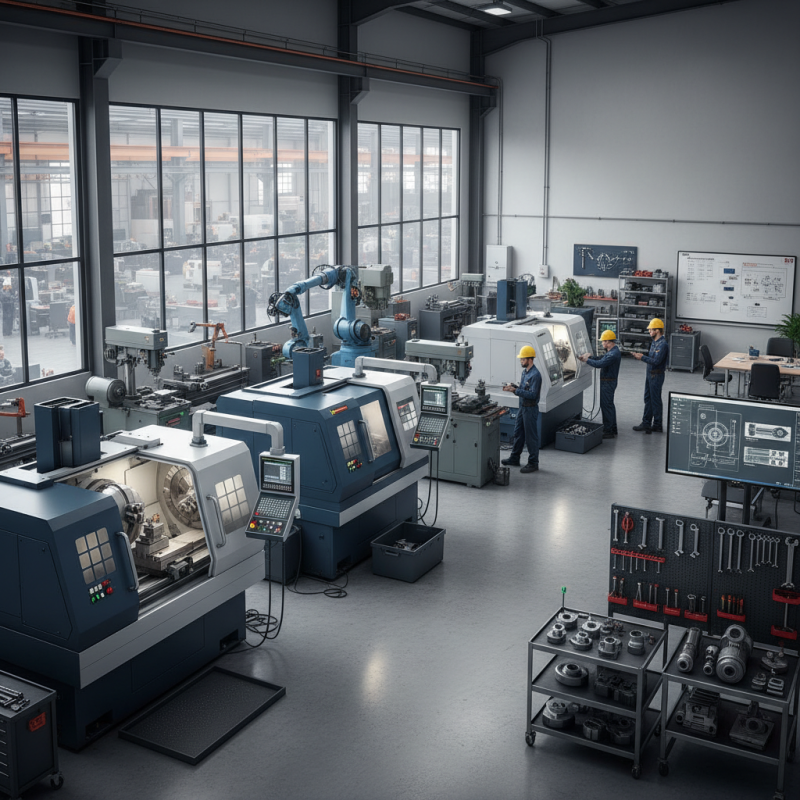
Understanding the types of machine tools is the first step. Each type serves different purposes and applications. For example, lathes are perfect for shaping materials, while milling machines offer versatility. Additionally, CNC machines provide automation, but they require technical expertise. This diversity can overwhelm many operators.

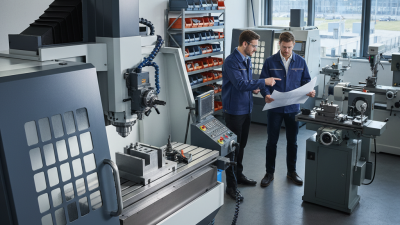
Before making a decision, evaluate your current and future projects. Define your production volume and desired precision. Don’t overlook maintenance and support services, which can significantly impact your operation. Remember, investing in the machine tool isn’t a one-size-fits-all solution; it requires thoughtful consideration and, at times, trial and error. Embrace this process, as it is part of developing expertise in your field.
How to Choose the Right Machine Tool for Your Business?

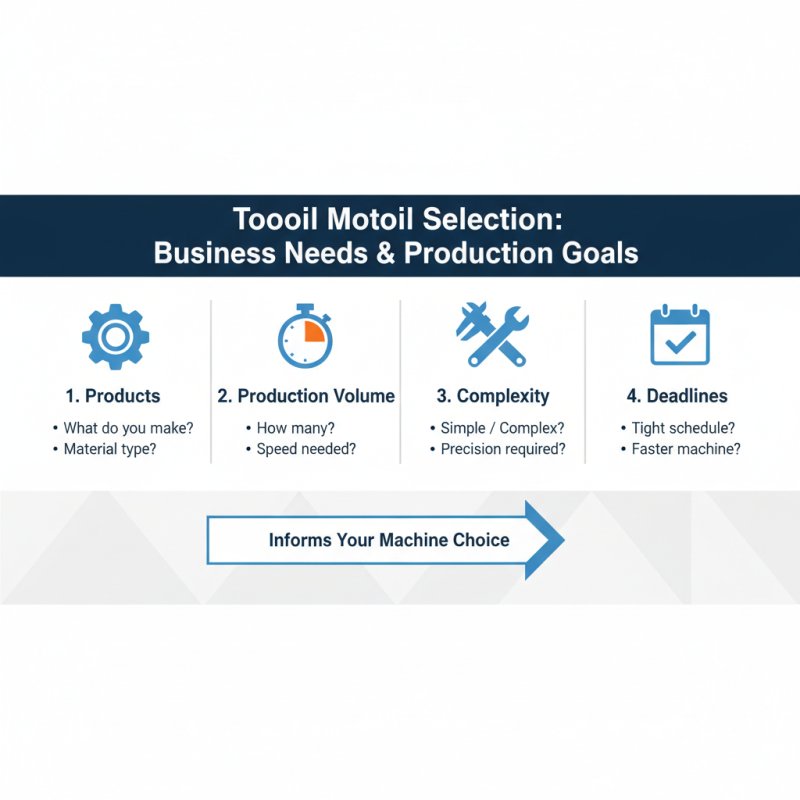
Understanding Your Business Needs and Production Goals
How to Choose the Right Machine Tool for Your Business?

Choosing the right machine tool begins with a clear understanding of your business needs. Identify what products you manufacture. Consider the materials you work with. Analyze your production volume. All these factors shape your machine tool choice. For instance, tight deadlines may require faster machines, while complex components need precision tools.

Production goals also play a key role. Evaluate your desired output levels. Are you aiming for mass production or limited runs? High-volume operations may benefit from automated solutions. Smaller operations might prioritize versatility and cost-effectiveness. Additionally, think about the skills of your workforce. Does your team have experience with advanced technologies? This could impact the tools you choose.

Reflect on your budget constraints too. Quality tools can be an investment. However, balancing cost and capability is crucial. Investing in the wrong tool can lead to inefficiencies. Take your time to research. Consult industry experts or customer feedback to gain insights. Make informed decisions that align with your production needs.

Evaluating Types of Machine Tools: CNC vs. Manual

When selecting a machine tool, businesses often face a choice between CNC (Computer Numerical Control) and manual options. CNC machines dominate the market due to their precision and efficiency. According to a recent industry analysis, CNC machine tools can enhance productivity by up to 30% compared to manual machines. This increase comes from the automation of tasks that would take significantly longer if performed by hand. However, the initial investment in CNC technology can be substantial. Companies need to weigh the upfront costs against long-term benefits.

Conversely, manual machines continue to hold value in specific applications. They often come at a lower price point and require less maintenance. For small workshops or enterprises with specific tasks, manual tools may be easier to manage and operate. Research shows that nearly 35% of small businesses still rely on manual tools for their operations, showcasing the segment’s viability. However, reliance on manual machines can limit production scalability. Each method has its drawbacks, prompting businesses to evaluate their unique needs and workflow.

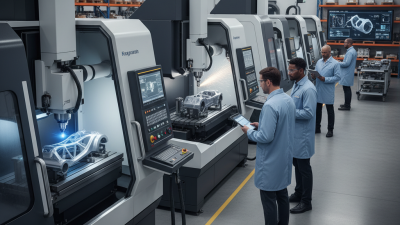
Businesses should also consider workforce skill levels. CNC machines require skilled operators, while manual tools may appeal to a broader workforce. This dynamic can influence hiring and training budgets. Therefore, both options present benefits and challenges that must be carefully weighed in the decision-making process. The right choice ultimately depends on balancing efficiency with operational costs and employee capabilities.

How to Choose the Right Machine Tool for Your Business? - Evaluating Types of Machine Tools: CNC vs. Manual

Attribute CNC Machine Tools Manual Machine Tools
Precision High Moderate
Speed Fast Slow
Setup Time Low High
Flexibility Low High
Cost High Low
Operator Skill Required Low High
Production Volume Efficiency High Low

Assessing Material Compatibility and Processing Requirements

Choosing the right machine tool involves understanding material compatibility and processing requirements. Various materials require different machining processes. For example, aluminum is softer and easier to machine than stainless steel. A study by the National Tooling and Machining Association indicates that 37% of manufacturers struggle with material selection in machining.

The hardness of a material affects tool life and surface finish. Harder materials may wear tools more quickly, necessitating frequent replacements. Companies should consider the cost of tooling versus the expected lifespan. This decision impacts not only budgets but also the overall efficiency of operations. A supplier's catalog can provide useful insights, but experience prompted by trial and error can also be invaluable.

Processing requirements vary widely. Some projects may necessitate high-speed machining, while others may need precision milling. The choice of machine tool must align with these diverse requirements. Reports suggest that improper machine tool selection can lead to an increase in waste by 15%. Recognizing these factors, businesses need to continuously evaluate their processes for optimal outcomes.

Considering Cost Efficiency and Return on Investment Metrics

Choosing the right machine tool goes beyond initial costs. When evaluating efficiency and ROI, consider long-term impacts. Machine tools can be a significant investment, often affecting your bottom line for years. A tool that excels in precision can reduce waste and minimize errors, saving money over time.

Understanding your production needs is key. Analyzing how often the tool will be used helps determine its cost-effectiveness. If you plan to scale, investing in a versatile machine might seem costly now but can pay off later. Don't just look for the cheapest option; the right tool can enhance productivity and cut operational expenses.

Reflect on potential maintenance costs too. A low-priced tool may require more frequent repairs, which can negate initial savings. Reliability plays a crucial role in your overall investment. Striking the balance between cost and efficiency requires thoughtful consideration. Each decision should be backed by data, not just gut feelings.

Examining Supplier Reputation and After-Sales Support Services

When selecting a machine tool, supplier reputation plays a critical role. A reliable supplier is known for providing quality products consistently. Look for reviews, testimonials, and case studies. Do they have a history of serving clients in your sector? Assessing their experience in your industry can offer insight into their credibility.

Equally important is after-sales support. Quality tools require maintenance and service. Delays in support can lead to costly downtimes. Ensure that suppliers offer comprehensive training and easy access to repairs. Check their availability for troubleshooting and parts supply. Consider reaching out to their existing customers about support experiences.

Reflect on your specific requirements as well. A well-regarded supplier may not always meet your unique needs. Explore if they customize services. Relationships built on trust can lead to long-term partnerships. Evaluate if they listen and adapt to your feedback. This can make a significant difference in your business efficiency.

We Meet Our Clients Needs.

Meeting the diverse needs of our clients, we have complete machining facilities for everything from single part prototypes to large quantity production. Our small size is one of our biggest assets. It allows us to control costs and maintain the highest of standards.

Quality orientated  and delivery always on time or earlier than originally promised.

Strongly recommend MSD.