
How to Choose the Right Pipe Hanger Types for Your Project?

Choosing the right pipe hanger types is crucial for any plumbing or construction project. The right choice ensures the stability and durability of piping systems. Many often overlook this important aspect. Pipe hangers support and secure pipes, preventing leaks and damage. Understanding the various types available is essential.

There are many pipe hanger types, each designed for specific applications. Some are adjustable, while others are fixed. Materials vary too, from metal to plastic. This diversity can confuse even experienced professionals. It’s important to consider not just the type but also the environment in which the pipe will operate. Factors such as temperature, moisture, and weight play significant roles.

Investing time to research and select the appropriate pipe hanger types can save resources in the long run. Getting it wrong may lead to costly repairs or replacements. Always reflect on the project requirements. Consider seeking advice from experts. They can provide insights into best practices and common pitfalls. The right hangers contribute significantly to a system's overall efficiency.
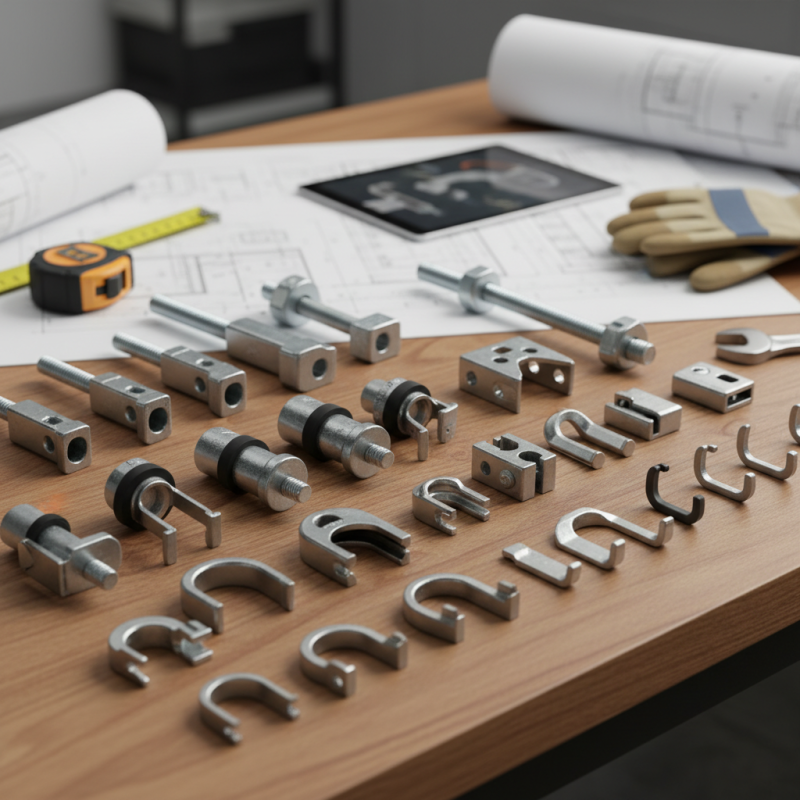
How to Choose the Right Pipe Hanger Types for Your Project?

Understanding Different Pipe Hanger Types and Their Applications

When selecting pipe hangers, understanding their types and applications can significantly impact your project. Different hangers are designed for various materials and environments. For instance, a clevis hanger is versatile and suitable for different pipes, accommodating expansion and contraction. In contrast, a loop hanger offers extra support in vertical installations, preventing undue stress on joints.

Some hangers are specialized, like the adjustable hanger, which provides flexibility for changes in pipe size. Choosing the wrong hanger can lead to maintenance issues later. It’s crucial to consider load capacity and environmental factors such as temperature.

Assembly methods vary among types. Some require simple tools, while others need welding skills. This can be a point of reflection for your team’s capabilities. Always consult design guidelines for best practices. Making choices based solely on cost may lead to future challenges that could have been avoided. Each hanger type serves a purpose, and understanding that can improve project outcomes.

Evaluating Load Capacity and Material Strength Standards for Hangers

Choosing the right pipe hanger for your project involves careful consideration of load capacity and material strength standards. Start by assessing the specific requirements for your piping system. Understand how much weight each hanger will need to support. This ensures that your choices align with the demands of your installation.


Material selection is crucial. Steel and plastic hangers offer different strengths and features. Steel hangers usually provide higher durability. However, they may corrode under certain conditions. Plastic options can resist corrosion but offer less load capacity. Balancing these factors is key.


Load capacity ratings are often listed in the product specifications. Don't solely rely on these numbers. Sometimes, the application context changes the dynamics. A hanger may seem strong enough, but external factors, such as temperature or vibration, can affect performance. Reflect on these variables to avoid future complications.

Assessing Environmental Factors in Pipe Hanger Selection

When selecting pipe hangers, environmental factors play a crucial role. Temperature variations, humidity levels, and exposure to chemicals can greatly influence the performance and longevity of the hangers. For instance, data indicates that stainless steel hangers can resist corrosion better than carbon steel in humid environments. A report from the American Society of Mechanical Engineers suggests that nearly 30% of installed hangers failed due to inappropriate material choices tied to environmental conditions.

Another point to consider is thermal expansion. Pipes expand and contract with temperature changes. Without proper support from hangers, they can bend or deform. The National Institute of Standards and Technology reports that inadequate support can cause a 15% increase in installation costs. This emphasizes the need for thorough assessments before finalizing any projects. The nuances of the project environment should dictate the type of materials used in hangers.

Failure to match hangers with environmental specifics might lead to greater issues down the line. An analysis by the Institute of plumbing engineers shows that almost 40% of failures occurred due to a lack of environmental consideration. Hence, it is vital to reflect on all surrounding conditions to secure optimal function and efficiency.

How to Choose the Right Pipe Hanger Types for Your Project? - Assessing Environmental Factors in Pipe Hanger Selection

Pipe Material Environmental Condition Recommended Hanger Type Load Capacity (lbs)
PVC Indoor, Low Humidity Plastic Hanger 50
Copper Indoor, High Humidity Copper Support 100
Steel Outdoor, Rain Exposure Galvanized Hanger 200
Stainless Steel Corrosive Environment Stainless Steel Hanger 300
ABS Indoor, Low to Moderate Temperature ABS Hanger 75

Compliance with Industry Codes and Regulations for Pipe Hangers

When selecting pipe hangers, it’s vital to comply with industry codes and regulations. These standards ensure safety and functionality in various projects. According to the American Society of Mechanical Engineers (ASME), improper hangers can lead to system failures. Hangers must support pipes adequately to prevent stress and damage.

Different projects require different standards. For example, the National Fire Protection Association (NFPA) sets distinct requirements for hangers in fire suppression systems. Non-compliance can result in penalties and increased liabilities. A 2021 survey indicated that over 30% of construction projects faced delays due to non-compliance issues, showcasing the need for adherence to regulations.

Choosing the right materials is just as crucial. Regulations often dictate acceptable materials for hangers depending on environmental factors. For instance, in corrosive environments, stainless steel may be necessary. One study highlighted that 25% of failures in piping systems were linked to inadequate hanger materials. Understanding these codes and their implications is essential for successful project management and safety.

Choosing Between Fixed, Adjustable, and Spring Hangers Based on Needs

When selecting the right pipe hanger types for a project, understanding your specific needs is crucial. Fixed hangers provide a stable option. They are best for supporting pipes that don’t require movement. For example, a heating system with static pipes benefits from fixed hangers. They keep everything secure and in place, but they can’t adapt to thermal expansion or contraction.

Adjustable hangers offer more flexibility. You can modify their length as needed. This is ideal for projects where pipes may shift due to temperature changes or other factors. If you are working with a plumbing system subject to pressure changes, adjustable hangers are a practical choice. They allow for enough movement while maintaining proper support.

Spring hangers are another option. These are designed to absorb vibrations and movements effectively. They can protect sensitive piping systems from damage. However, they require careful installation and regular maintenance. Failing to check them can lead to issues. Always consider the project’s specific demands when choosing the right hanger type. Each has its pros and cons that should guide your decision-making process. Balancing stability and adaptability is key to success.

We Meet Our Clients Needs.

Meeting the diverse needs of our clients, we have complete machining facilities for everything from single part prototypes to large quantity production. Our small size is one of our biggest assets. It allows us to control costs and maintain the highest of standards.

Quality orientated  and delivery always on time or earlier than originally promised.

Strongly recommend MSD.