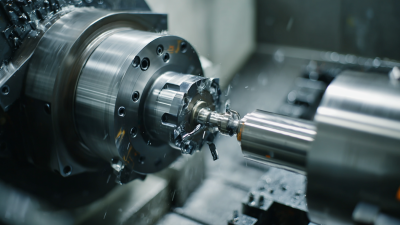
How to Choose the Right Robotic Machine for Your Business?
Choosing the right robotic machine for your business can be challenging. The market is flooded with options, each offering unique features and capabilities. It is essential to understand your specific needs before making a decision.
Consider the tasks your robotic machine will perform. Identify whether it needs to handle repetitive tasks, assist in assembly, or manage inventory. Each application may require a different type of robotic machine. Additionally, evaluate the scale of your operations. A small business may benefit from cost-effective solutions, while larger enterprises might need advanced systems.
Research is crucial. Look at reviews, case studies, and expert opinions. Reliable sources can illuminate which machines have proven effective in similar industries. Don't rush into a decision. Reflect on future growth and scalability. A robotic machine should not only meet current demands but also adapt as your business evolves.
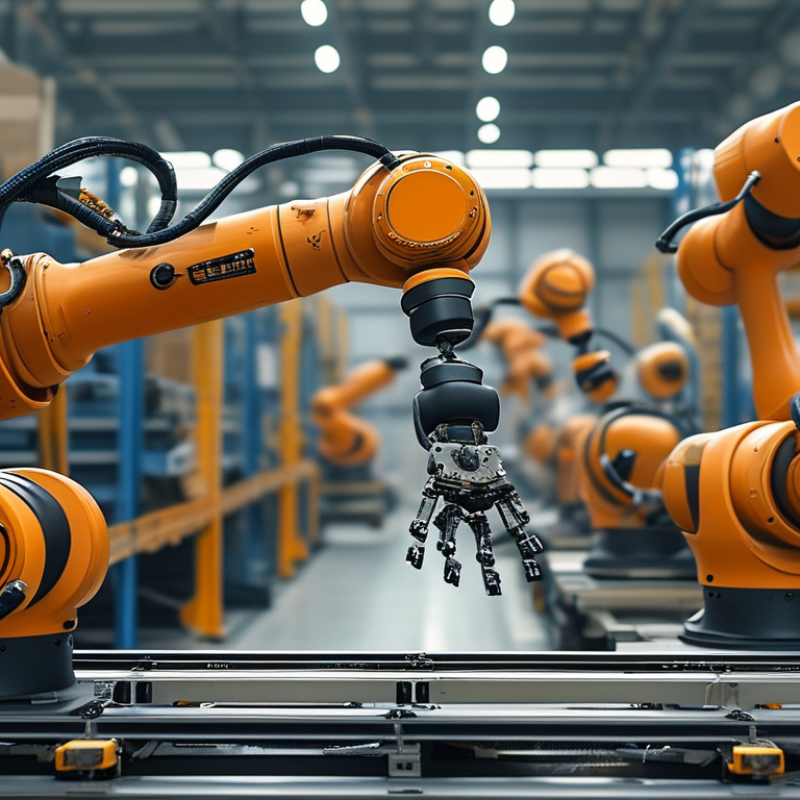
Understanding the Types of Robotic Machines Available for Businesses
Understanding the types of robotic machines available for businesses is crucial. Different machines cater to various needs. For instance, automated guided vehicles are designed for material handling. These machines navigate around obstacles to transport items efficiently. They save time and reduce labor costs. However, integration into existing systems can be complex.
Industrial robots are another option. They are used for tasks like welding, painting, and assembly. These machines boost productivity but require significant upfront investment. Companies must consider the ROI carefully. Additionally, they may not perform well in unpredictable environments. Flexibility in operations can be a challenge.
Collaborative robots, or cobots, work alongside humans. They enhance safety and can adapt to different tasks. While easier to program, they may be limited in speed and payload capacity. Businesses should evaluate their specific needs before committing. Finding the right balance between efficiency and adaptability can be tricky. It's essential to weigh the pros and cons of each option.
How to Choose the Right Robotic Machine for Your Business?
| Type of Robotic Machine | Key Features | Ideal Use Cases | Cost Range |
|---|---|---|---|
| Industrial Robots | High precision, programmable, multi-task | Manufacturing, assembly lines | $25,000 - $100,000 |
| Collaborative Robots (Cobots) | User-friendly, safe, easy to program | Small and medium businesses, assembly | $20,000 - $60,000 |
| Mobile Robots | Autonomous navigation, obstacle avoidance | Warehousing, logistics | $15,000 - $80,000 |
| Service Robots | Interacts with customers, provides services | Hospitality, retail | $10,000 - $50,000 |
| Agricultural Robots | Crop monitoring, planting, harvesting | Farming, agriculture | $30,000 - $120,000 |
Assessing Your Business Needs and Objectives for Automation
When considering automation, it’s crucial to assess your business needs thoroughly. Start by identifying repetitive tasks that consume valuable time. These may include inventory management, data entry, or assembly line processes. Understanding which tasks can benefit from automation will guide you in selecting the right robotic machine for your operations. Think about how much time and resources you currently spend on these activities. This can help clarify where automation could provide real value.
Next, determine your goals for automation. Are you aiming to boost productivity, enhance accuracy, or reduce labor costs? Each of these objectives may require different technologies or machines. For instance, a business focused on efficiency might choose a robotic system with high-speed capabilities. In contrast, a company prioritizing precision may look for machines designed for delicate tasks. It’s also vital to consider how these changes will affect your team. Will they need training, or will the transition disrupt current workflows? Taking a step back to evaluate these questions will lead to a more tailored approach.
Robotic Machine Options Analysis for Business Automation
Evaluating Budget Considerations and Return on Investment (ROI)
When considering a robotic machine for your business, budget is key. Analyze the total cost, including purchase, installation, and maintenance. Initial expenses can be high. However, long-term savings might justify that investment. An often-overlooked factor is the scalability of the technology. Will it grow with your business? A machine that meets current needs might not suffice in a few years.
Return on Investment (ROI) should guide your decision. Calculate potential gains versus expenditures. A well-chosen machine can boost productivity significantly. Some businesses hesitate, fearing long payback periods. It’s vital to assess how quickly the machine can improve operations. Detailed analysis can reveal savings in labor costs or time efficiencies.
Dive deeper into financial forecasting. How does the machine weigh against competitors? Gathering data and feedback from industry professionals can inform your choices. Also, don’t ignore potential pitfalls. Not all machines live up to their promises. Research user experiences. Mistakes can lead to costly adjustments. Understanding both pros and cons will prepare you for what to expect.
Comparing Leading Robotic Technology Providers and Their Solutions
When choosing the right robotic machine, understanding leading technology providers is vital. Various reports indicate that the global robotics market is expected to grow significantly. By 2025, the market could reach $210 billion, with a compound annual growth rate of over 25%, highlighting the rapid adoption of automation in industries.
Each robotic solution offers unique functionalities. Some excel in assembly, while others shine in logistics. A report from a leading consulting firm noted that 40% of companies face challenges in integrating these solutions. This indicates a gap between available technology and organizational readiness. It’s essential to analyze whether your business can fully capitalize on these advancements.
Moreover, providers often claim their robots are user-friendly and adaptable. However, this isn't always the case when put to the test. A study indicated that nearly 30% of installations encounter significant issues, leading to wasted resources. It’s crucial to evaluate how these systems can be implemented without disrupting existing workflows. Understanding these aspects can aid in making a more informed choice for your business.
Analyzing Industry-Specific Applications and Case Studies for Robots
In today's rapidly evolving landscape, robotic machines are transforming industries. Various sectors adopt these technologies, from manufacturing to healthcare. Each application has unique needs. Understanding these specific requirements is key when selecting robotic solutions.
Consider case studies in your industry. A warehouse might benefit from automated guided vehicles (AGVs), enhancing efficiency and reducing labor costs. In the automotive sector, robots assist in welding and assembly. Analyzing these high-performing examples helps identify the right features for your needs.
Try to evaluate potential ROI. It’s vital to determine if the cost of robotics aligns with expected gains. Understand ongoing maintenance needs and the learning curve for staff. Reflect on past experiences too; any missed opportunities or challenges can guide your decision-making. Each choice shapes your operational future and should be made with careful consideration.
Related Posts
-
Unlocking Precision in Manufacturing with the Latest Tool CNC Machine Innovations
-
Top 10 CNC Machining Technology Trends for Global Buyers?
-
10 Essential Tips for Choosing the Right Machine Tool for Your Workshop
-
How to Choose the Right Machining Equipment for Your Business Needs?
-
How to Choose the Best Home CNC Machine for Your Projects?
-
How to Choose the Right Manual CNC Machine for Your Needs?
We Meet Our Clients Needs.
Meeting the diverse needs of our clients, we have complete machining facilities for everything from single part prototypes to large quantity production. Our small size is one of our biggest assets. It allows us to control costs and maintain the highest of standards.
Quality orientated and delivery always on time or earlier than originally promised.
Strongly recommend MSD.