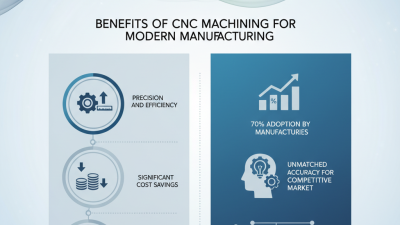
What is CNC Machining Manufacturing Benefits and Applications?
CNC machining manufacturing plays a crucial role in modern industries. It offers various benefits that enhance production efficiency. This automated process uses computer-controlled tools to create precise parts. Companies rely on CNC machining to meet strict quality standards.
The applications of CNC machining manufacturing are diverse. From aerospace to medical devices, its versatility is impressive. Manufacturers can produce complex shapes and intricate designs with ease. This technology reduces human error, leading to better accuracy. However, it requires skilled operators to program and maintain the machines.
Despite its advantages, CNC machining manufacturing comes with challenges. The initial setup costs can be high. Small businesses may struggle to adopt this technology. Moreover, the reliance on software makes systems vulnerable to errors. Continuous training is essential to keep operators updated. Balancing these factors is key for successful implementation in any industry.
Overview of CNC Machining and Its Importance in Manufacturing
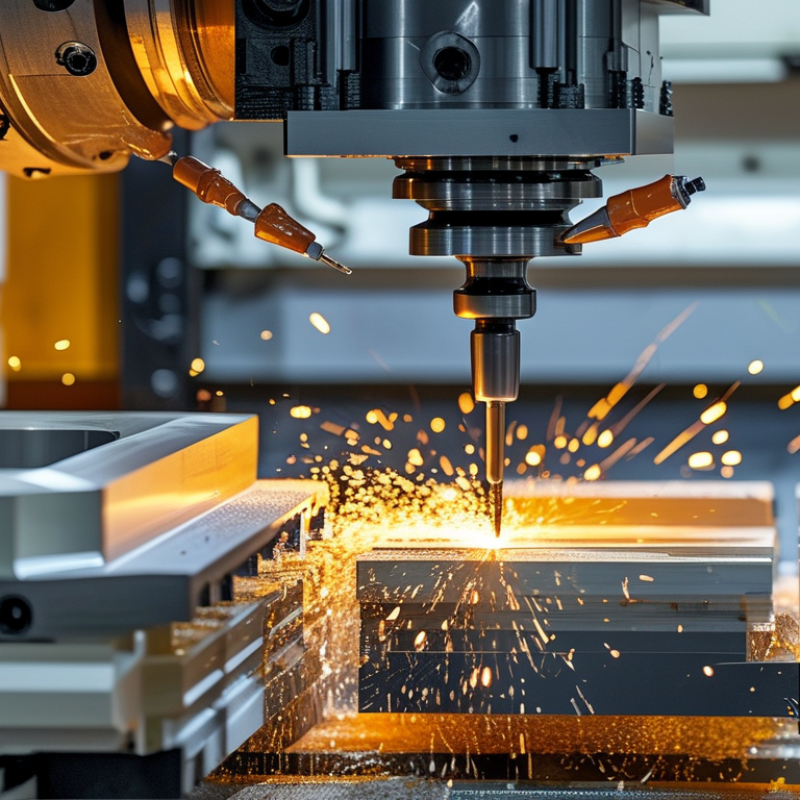
CNC machining has revolutionized manufacturing, making processes faster and more precise. This technology is vital for producing complex parts that traditional methods struggle to create. Reports indicate that the global CNC machining market was valued at over $60 billion in 2021, with projections suggesting a growth rate of about 6% annually. This trend highlights the increasing reliance on CNC machining in various industries.
The importance of CNC machining lies in its ability to provide accuracy and efficiency. It enables manufacturers to produce items with tolerances as tight as 0.001 inches. Industries such as aerospace and healthcare require these precise specifications for safety and functionality. Additionally, the automation involved reduces human error, which is crucial in high-stakes environments. However, the technology requires an upfront investment, which can be a barrier for some smaller businesses.
While CNC machining offers many advantages, it also poses challenges. Operators must be skilled, as improper programming can lead to costly mistakes. Moreover, the reliance on automation may impact job availability in certain sectors. Balancing the benefits of efficiency with potential job displacement remains a conversation in the manufacturing community. Understanding these complexities is essential for making informed decisions regarding CNC machining integration.
Key Benefits of CNC Machining for Industrial Applications
CNC machining offers numerous benefits for various industrial applications. One key advantage is precision. CNC machines can create complex parts with tight tolerances, reducing the need for manual adjustments. This precision is vital in industries like aerospace and automotive, where even small errors can lead to significant issues.
Speed is another crucial benefit of CNC machining. These machines can operate continuously, significantly increasing production rates. This efficiency not only saves time but also reduces labor costs. Furthermore, CNC machining can handle various materials, from metals to plastics, making it versatile for different projects.
When considering CNC machining for your application, pay attention to the material selection. Different materials behave differently during machining. Testing small batches is wise to ensure desired outcomes. Also, think about the design. Complex designs might require more setup time and cost. Ensure that your designs facilitate easy machining.
Remember to maintain your CNC machinery properly. Scheduled maintenance can prevent downtime and prolong machine life. A well-maintained machine runs efficiently and produces better-quality work. Adjust settings based on specific projects to achieve optimal results. Always strive for continuous improvement in your processes and designs.
Common Applications of CNC Machining in Various Industries
CNC machining has transformed several industries with its precision and efficiency. In aerospace, it ensures intricate parts meet stringent safety standards. Components like turbine blades and support frames rely heavily on CNC technology. This leads to increased reliability in high-stakes environments.
In the automotive sector, CNC machining optimizes production. It allows for the rapid creation of prototype parts. Automakers utilize this technology to enhance design flexibility. However, challenges persist, such as the high initial setup costs. Smaller manufacturers may struggle to access advanced CNC machines, limiting their production capabilities.
The medical industry benefits significantly from CNC machining too. Custom implants and surgical tools are produced with great accuracy. While the technology reduces human error, it isn't infallible. Operators must remain vigilant and ensure that machine calibration is regularly checked. The balance of benefits and challenges shapes the CNC landscape today.
Comparison of CNC Machining with Traditional Manufacturing Methods
CNC machining stands out when compared to traditional manufacturing methods like manual machining. One notable difference is precision. CNC machines operate with high accuracy, producing parts with tighter tolerances. In contrast, manual methods can introduce human error, leading to variability in dimensions. This high level of precision in CNC machining makes it ideal for industries that require exact specifications, such as aerospace and medical device manufacturing.
Speed is another critical factor. CNC machines can run continuously, completing complex tasks more rapidly than traditional methods. This capability reduces production time significantly, allowing businesses to respond quickly to market demands. However, traditional machining often requires skilled labor to adjust machines and tools, which can slow down the process. The need for skill can also mean inconsistent output quality.
Despite its advantages, CNC machining is not without its challenges. Initial setup costs can be high, and programming requires specialized knowledge. Additionally, while CNC machines can produce large quantities consistently, they might not be the best choice for low-volume production runs. In such cases, traditional methods might provide more flexibility and lower costs. Understanding the balance between these approaches is essential for manufacturers seeking the best outcomes.
What is CNC Machining Manufacturing Benefits and Applications? - Comparison of CNC Machining with Traditional Manufacturing Methods
| Feature | CNC Machining | Traditional Manufacturing |
|---|---|---|
| Precision | High precision, tolerances up to ±0.01mm | Lower precision, generally ±0.1mm |
| Production Speed | Faster production, especially for complex parts | Slower production rate, especially for intricate designs |
| Flexibility | High flexibility, easy reprogramming for different parts | Limited flexibility, requires new tooling for changes |
| Material Variety | Compatible with a wide range of materials | Material limitations based on the method used |
| Setup Cost | Higher initial setup cost but lower per part | Lower setup cost but higher per piece for low quantities |
| Waste Generation | Less material waste due to precise cutting | More waste associated with tool path generation |
| Skill Requirement | Requires skilled operators with programming knowledge | Less technical skill required for basic machining operations |
Future Trends and Innovations in CNC Machining Technology
CNC machining has rapidly evolved, integrating advanced technologies that enhance efficiency and precision. One notable trend is the use of artificial intelligence (AI). AI tools improve the programming of CNC machines, reducing errors and streamlining the design process. These innovations allow for better customization, accommodating specific client needs without significantly increasing production times.
Another significant trend is the rise of additive manufacturing alongside traditional subtractive methods. This hybrid approach can lead to more complex geometries while minimizing material waste. However, balancing these technologies poses challenges; companies must ensure that they maintain quality while exploring new methodologies. The future of CNC machining will likely rely on collaboration between these diverse techniques to achieve optimal results.
Sustainability is also becoming a focus in CNC machining. Manufacturers are exploring eco-friendly materials and minimizing energy consumption. While this is a positive shift, not all industries have adapted at the same pace. Some may find it difficult to transition to greener practices. Addressing these disparities will be crucial for the manufacturing sector moving forward.
Related Posts
-
Top 10 Benefits of CNC Machining for Modern Manufacturing Techniques?
-
Top 10 CNC Machining Manufacturers in China You Should Know?
-
Best CNC Machine Tools for Precision Manufacturing Solutions?
-
Unlocking Precision: How CNC Machining Revolutionizes Modern Manufacturing Processes
-
10 Essential CNC Machining Tips to Boost Efficiency by 25% in 2023
-
What is CNC Machining Equipment and How Does It Work Explained
We Meet Our Clients Needs.
Meeting the diverse needs of our clients, we have complete machining facilities for everything from single part prototypes to large quantity production. Our small size is one of our biggest assets. It allows us to control costs and maintain the highest of standards.
Quality orientated and delivery always on time or earlier than originally promised.
Strongly recommend MSD.