What is CNC Machining Precision and Why is it Important?
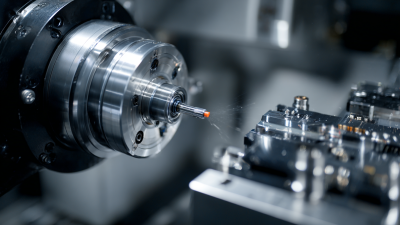
CNC machining precision is a vital aspect of modern manufacturing. It defines how accurately a machine can produce parts. According to John Smith, a renowned expert in CNC technology, “Precision is not just a feature; it’s a necessity.” This highlights the importance of precision in achieving high-quality results.
In the hectic world of CNC machining, even a slight deviation can lead to major flaws. These inaccuracies may cause parts to malfunction or fail. The industry's focus on CNC machining precision is driven by the demand for better performance and reliability. Companies must continuously assess their processes to improve accuracy.
However, achieving perfect precision is challenging. Technological limitations and human error can impact outcomes. Regular adjustments and inspections are necessary, reflecting a need for ongoing improvement. Striving for CNC machining precision demands dedication and a willingness to confront imperfections head-on. This commitment shapes the future of manufacturing.
Understanding CNC Machining: An Overview of Precision Techniques
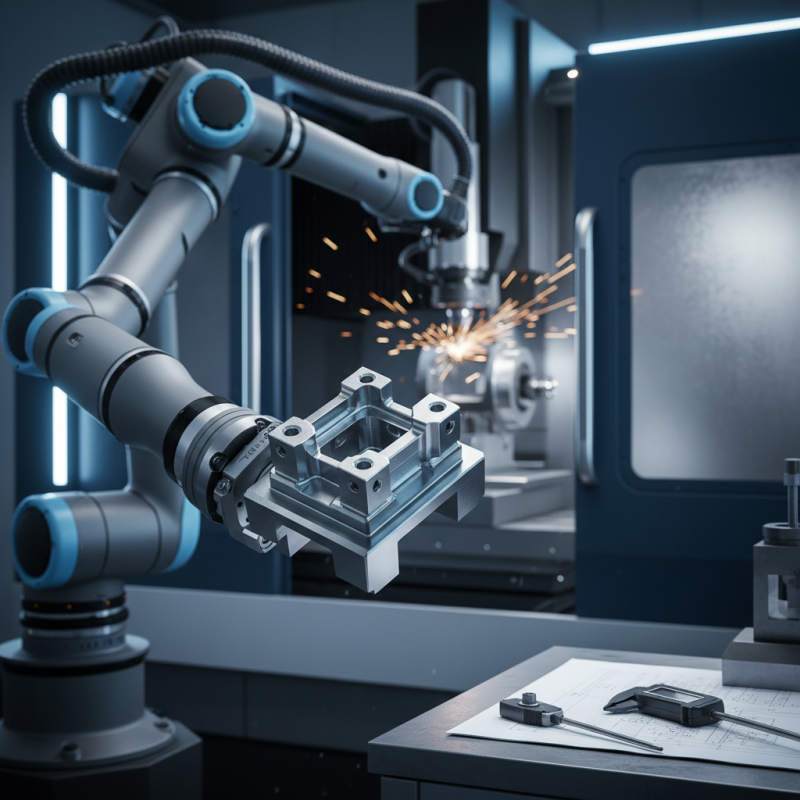
CNC machining is a vital technique in modern manufacturing. It stands for Computer Numerical Control. This method allows machines to produce precise components based on digital designs. Achieving high precision in CNC machining is crucial. Even a slight deviation can lead to significant issues in the final product. This precision hinges on several factors, including the machine’s calibration, tooling, and the operators' skills.
When working with CNC machines, consider these tips for improved precision:
- Regularly inspect and calibrate your machines.
- Understand the materials you work with; different materials require unique tooling and settings.
- Take note of any imperfections during the process; these can indicate larger issues, such as wear on tools or improper machine settings.
Precision techniques in CNC machining also involve various strategies, like setting optimal feed rates and depths. Adjust these settings based on the material and design. Experiment with different parameters to find the best fit. Reflect on past projects to identify potential areas for improvement. Small changes can lead to significant enhancements in output quality. Embrace mistakes as learning opportunities. Each error provides insight into refining processes and techniques.
Key Factors Influencing Precision in CNC Machining Processes
Precision in CNC machining is crucial for manufacturing high-quality parts. Several key factors influence precision, including machine calibration, tool wear, and environmental conditions. Proper calibration ensures that the CNC machine operates within the specified tolerances. A recent report highlighted that approximately 30% of machining errors stem from poor calibration processes.
Tool wear can significantly affect precision. As cutting tools degrade, the dimensions of the machined parts can deviate from desired specifications. In some cases, wear can lead to a 15% drop in accuracy. Therefore, routine maintenance and timely tool replacement are essential for sustaining precision.
**Tip:** Regularly check your tools for signs of wear. This can prevent unnecessary rework.
Environmental factors also play a role. Temperature changes can cause material expansion or contraction, impacting dimensional accuracy. Control the shop climate to minimize variations that could jeopardize precision.
**Tip:** Consider investing in a climate control system. It may improve your machinery’s performance.
Understanding these influencing factors can lead to better practices. Inadequate attention to calibration, tool maintenance, and environmental control can create significant setbacks. Balancing these elements is vital for achieving optimal precision in CNC machining processes.
CNC Machining Precision Factors
This chart illustrates the various factors influencing CNC machining precision and their respective impact levels. The highest impact is from machine calibration, followed closely by tool condition and material quality.
Applications of CNC Machining Precision in Various Industries
CNC machining precision significantly impacts various industries. In the automotive sector, precision ensures that components fit perfectly. In 2022, the global CNC machining market was valued at $80 billion. This number underscores the demand for accuracy in manufacturing. Even a tiny deviation can lead to mechanical failures.
In aerospace, precision is critical for safety. Parts must meet strict tolerances to ensure functionality. According to a report by MarketsandMarkets, the aerospace CNC machining market is expected to grow at a CAGR of 6.2% from 2023 to 2028. This growth highlights the industry’s need for exact specifications. The consequences of inaccuracy can be severe, echoing the importance of rigorous quality control protocols.
Tip: Always consider using advanced simulation software before machining. It helps visualize potential errors. Additionally, regular calibration of CNC machines can improve precision over time. Small mistakes can lead to significant problems later in the process. They can also increase costs and production delays. Stay vigilant and continually assess your machining processes.
Benefits of High Precision CNC Machining for Product Quality
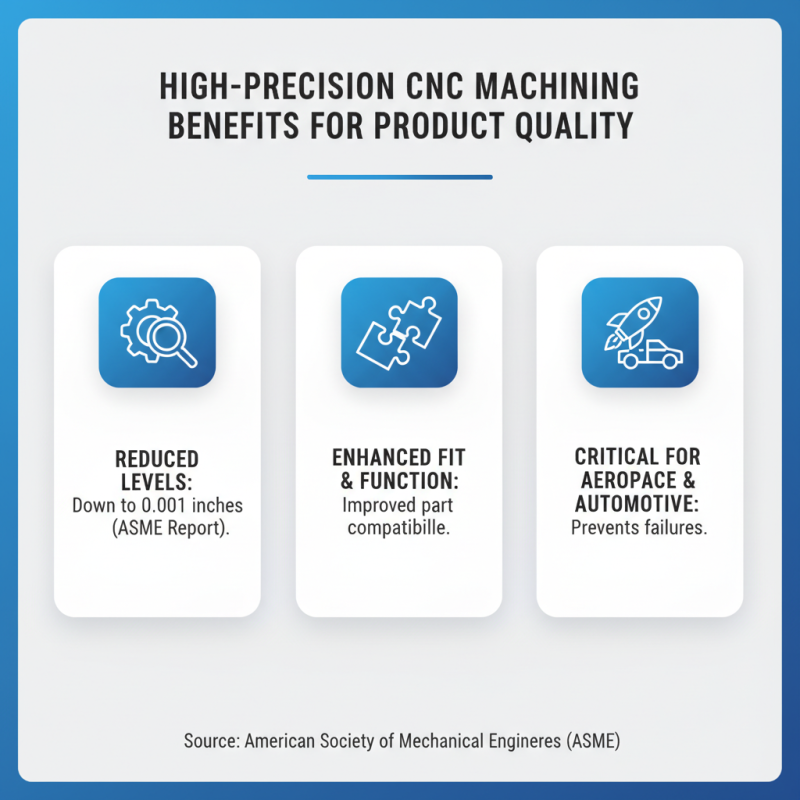
High precision CNC machining plays a crucial role in ensuring product quality across various industries. According to a report by the American Society of Mechanical Engineers (ASME), precision machining can reduce product tolerance levels to as low as 0.001 inches. This exceptional precision enhances the fit and function of parts, especially in industries like aerospace and automotive, where even a slight deviation can lead to failures.
Higher precision not only improves product performance but also reduces waste. A study from the National Institute of Standards and Technology (NIST) shows that high precision fabrication can decrease production scrap by up to 30%. However, achieving this level of precision often requires significant investment in technology and training, which can be a barrier for some manufacturers.
Despite its advantages, the pursuit of high precision may lead to over-engineering. Designers may create overly complex components that complicate the manufacturing process. Simplicity is sometimes overlooked, which can detract from overall efficiency. Balancing precision with practicality remains a challenge in the CNC machining industry. Adopting a mindset that embraces both quality and simplicity can foster better results in the long run.
Challenges and Solutions in Achieving CNC Machining Precision
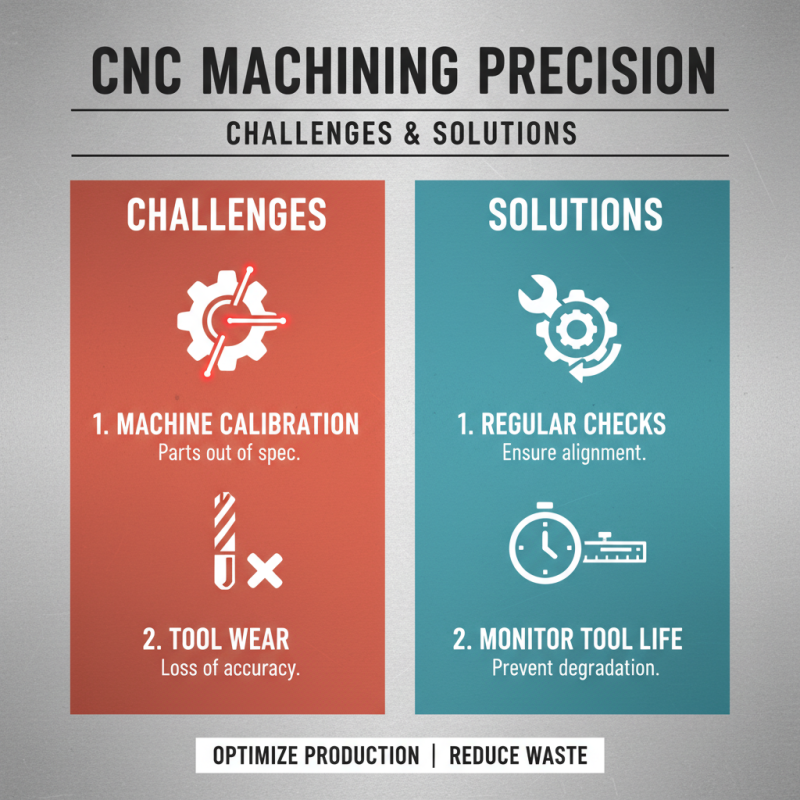
Achieving CNC machining precision comes with its own set of challenges. One main difficulty lies in the calibration of machines. If a machine is not calibrated correctly, the parts produced may be out of spec. Regular checks are essential. Another challenge is tool wear. As tools wear down, they lose their cutting ability. This affects the part's accuracy. Keeping track of tool life is crucial but often neglected.
Material choice also plays a significant role. Some materials can be unpredictable during machining. For instance, metals may expand or contract with temperature changes. These variations can lead to discrepancies in dimensions. Operators should monitor the environment closely. If not, the final product could be compromised.
Lastly, software errors can occur. Programming mistakes can lead to inaccuracies in machining. Double-checking the code can save time and resources. However, many overlook this step in the rush to meet deadlines. In the world of CNC machining, precision is key. Yet, it's a constant battle against various challenges.
Related Posts
-
2025 Top 10 Precision CNC Machining Trends Revolutionizing Manufacturing Efficiency
-
Why is CNC Machining Equipment Essential for Modern Manufacturing?
-
2025 How to Choose Precision CNC Machining for Your Project Needs
-
Top CNC Machining Technology Trends Shaping the Future of Manufacturing?
-
Top 10 Benefits of CNC Machining for Modern Manufacturing Techniques?
-
Why Is CNC Machining Precision Essential for Modern Manufacturing?
We Meet Our Clients Needs.
Meeting the diverse needs of our clients, we have complete machining facilities for everything from single part prototypes to large quantity production. Our small size is one of our biggest assets. It allows us to control costs and maintain the highest of standards.
Quality orientated and delivery always on time or earlier than originally promised.
Strongly recommend MSD.