How to Achieve CNC Machining Precision for Global Buyers?
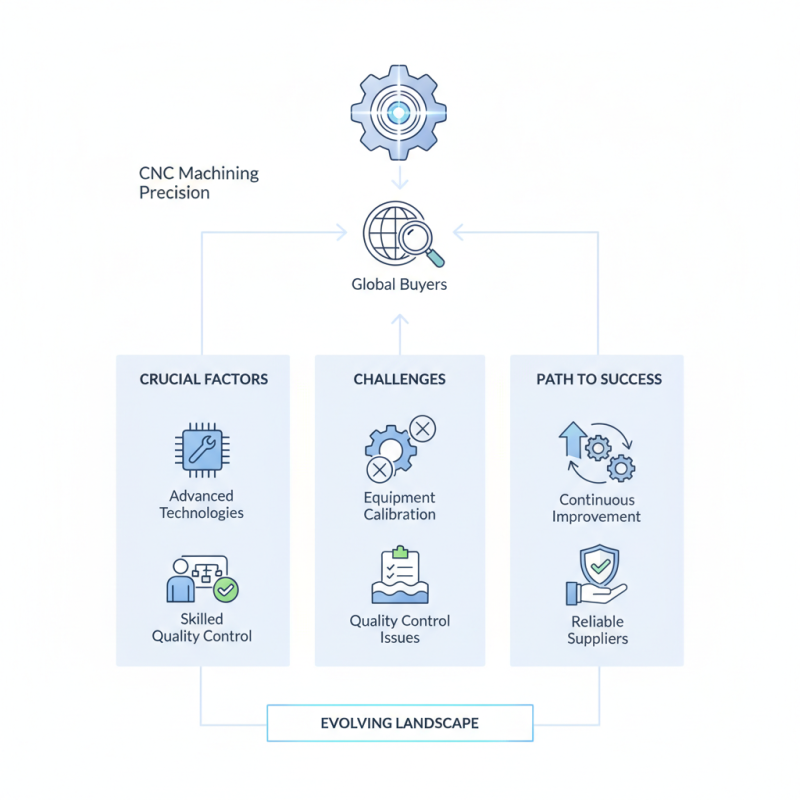
In today's competitive market, achieving CNC machining precision is crucial for global buyers. This standard is essential for producing high-quality components that meet strict specifications. Precision in CNC machining influences the functionality and longevity of the final products.
Global buyers seek reliable suppliers who understand their unique requirements. The demand for CNC machining precision drives manufacturers to invest in advanced technologies and skilled personnel. However, not all companies can meet these lofty expectations. Many face challenges with equipment calibration, material consistency, and quality control processes.
Embracing a culture of continuous improvement is vital. Manufacturers must learn from mistakes and adapt their strategies. Precision isn't just a goal; it's an ongoing journey. As buyers, understanding this can help in selecting the right partners for projects. In the ever-evolving landscape of CNC machining, precision remains a significant focal point for success.
Understanding CNC Machining and Its Importance for Global Buyers
CNC machining is vital for global buyers who seek precision and quality. This technology uses computer-controlled machines to produce intricate components. Precision is key in industries like aerospace and automotive. A slight miscalculation can lead to significant failures. Therefore, understanding CNC machining helps buyers make informed decisions.
The importance of CNC machining lies in its ability to achieve tight tolerances. Skilled operators must set up machines accurately. Constant monitoring during the process is essential. A small error can be costly. Buyers often struggle with maintaining consistent quality across different suppliers. This inconsistency can result in delays and increased expenses.
Trusting a manufacturer’s capabilities is crucial. It's worth considering their track record and experience. Transparent communication about processes enhances reliability. Providing samples can also help assess quality. Global buyers should reflect on their own needs and expectations, ensuring they ask the right questions. Mistakes can be learning opportunities, leading to better outcomes in future projects.
Key Factors Influencing CNC Machining Precision
Achieving CNC machining precision is essential for global buyers. Several key factors influence this precision. Material selection plays a critical role. Different materials respond differently to machining processes. For instance, metals like titanium are challenging due to their density and toughness. A study from the International Journal of Advanced Manufacturing Technology highlights that improper material choice can lead to a precision variance of up to 25%.
Another factor is tool selection and maintenance. Quality cutting tools are vital for maintaining precision. Dull or damaged tools can create inaccuracies in dimensions. According to a report by the American Society of Mechanical Engineers, maintaining tool sharpness can improve precision by as much as 15%. Regular inspections and timely replacements are necessary, yet often overlooked due to time constraints.
Machine calibration is equally crucial. Regular calibration ensures machines operate within specified tolerances. A failure to calibrate can result in deviations of up to 0.1 mm, affecting quality. The Engineering Toolbox notes this small difference can lead to significant issues in high-tolerance applications. Buyers should prioritize these maintenance practices to enhance overall results while acknowledging that achieving perfect precision is often a constant challenge requiring reflection and adaptation.
How to Achieve CNC Machining Precision for Global Buyers? - Key Factors Influencing CNC Machining Precision
| Key Factors | Description | Impact Level (1-5) | Recommended Practices |
|---|---|---|---|
| Machine Calibration | Regular calibration of CNC machines to ensure accuracy and consistency in machining. | 5 | Perform calibration every month; use certified calibration tools. |
| Tool Quality | Using high-quality cutting tools for improved precision and longer tool life. | 4 | Invest in premium cutting tools; regularly inspect and replace as needed. |
| Workpiece Fixture | Secure and stable fixturing to prevent movement during machining. | 5 | Use custom fixtures; ensure all workpieces are properly clamped. |
| Cooling Systems | Effective cooling to prevent overheating and material deformation. | 4 | Implement flood cooling or air cooling systems; monitor temperatures closely. |
| Operator Skill | Skill level of the CNC operator, crucial for setting parameters and monitoring the process. | 5 | Provide regular training sessions; encourage operator certifications. |
Best Practices for Selecting Reliable CNC Machining Suppliers
Selecting a reliable CNC machining supplier is crucial for achieving the precision that global buyers demand. It starts by assessing the supplier's expertise in your specific machining needs. Look at their experience in your industry. Many suppliers claim expertise, but their actual delivery can be inconsistent. A supplier's portfolio should showcase diverse projects that align with your requirements.
When evaluating potential partners, consider their quality control measures. Strong quality assurance practices ensure consistent outcomes. Ask about their certification standards. Are they compliant with international quality standards? A supplier’s ability to provide traceability for their processes can be an important indicator of reliability.
Tips: Always request samples before making a commitment. This can reveal a lot about their machining capabilities. Maintain open communication to clarify expectations. Discuss timelines and revisions upfront to avoid misunderstandings. Remember, not every supplier will meet your standards. Reflection on past experiences can guide better choices in the future.
Precision Levels in CNC Machining Across Different Materials
Techniques for Enhancing CNC Machining Accuracy
Achieving precision in CNC machining is crucial for global buyers. Techniques to enhance accuracy include implementing rigorous quality controls and adopting advanced technology. According to a recent report by the International Journal of Advanced Manufacturing Technology, accuracy improvements can lead to a reduction in production costs by up to 30%.
Utilizing high-resolution equipment is one effective method. Machines with better sensors and tighter tolerances reduce human error. However, operators must regularly calibrate these machines to maintain precision. Over time, wear and tear can degrade accuracy, leading to costly rework and waste. Regular maintenance schedules should be emphasized to address this challenge.
Another technique involves precise programming of CNC units. High-quality software can optimize tool paths and machining speeds. However, training operators on these programs is essential. Inadequate knowledge can result in miscalculations, affecting the overall output. Continuous education and skill development are vital for sustaining high precision levels.
Quality Control Measures in CNC Machining Processes
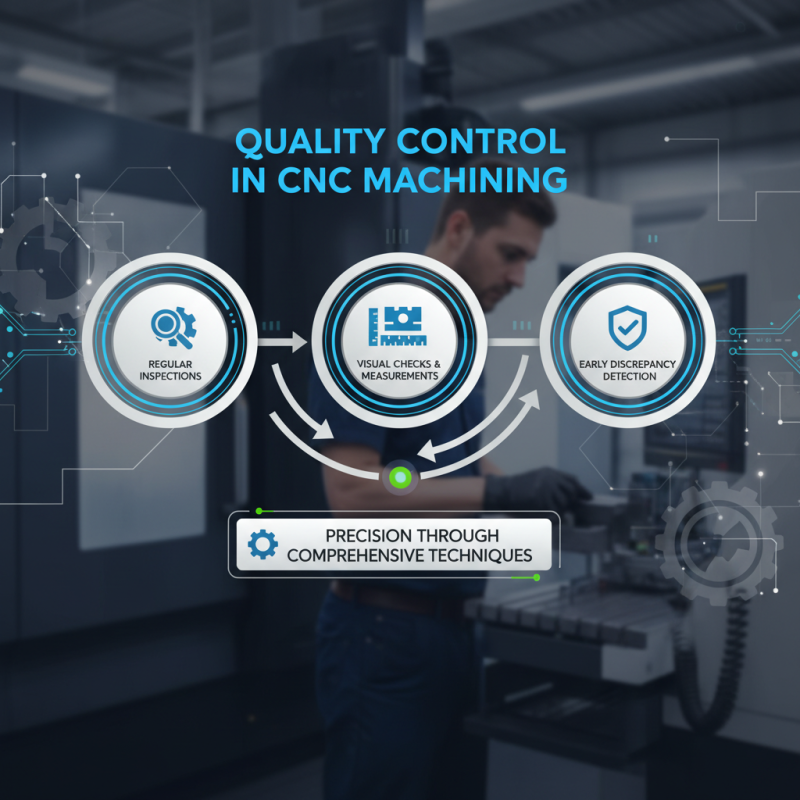
Quality control in CNC machining is essential for achieving precision. Manufacturers must use a variety of techniques. One common method is to implement regular inspections throughout the production process. This helps in identifying any discrepancies early on. A comprehensive approach includes visual checks and measurements.
Utilizing advanced measurement tools improves accuracy. Tools like laser measuring devices and CMM (Coordinate Measuring Machines) become crucial. They allow operators to detect issues that might not be visible to the naked eye. Still, relying solely on technology can lead to oversight. Human judgment remains vital in evaluating the results.
Training staff in quality control practices strengthens reliability. Skilled workers are better equipped to spot potential problems in real-time. However, not all teams may have the same level of training. Continuous education and feedback loops help bridge skill gaps. It’s key to nurture a culture of accountability and precision in every step of the CNC machining process. One must always be ready to reflect on practices and seek areas for improvement.
Related Posts
-
Why Is CNC Machining Precision Essential for Modern Manufacturing?
-
10 Essential CNC Machining Tips to Boost Efficiency by 25% in 2023
-
What is CNC Machining Equipment and How Does It Work Explained
-
How to Optimize CNC Machining Manufacturing for Maximum Efficiency and Quality
-

Top CNC Machining Technology Trends Shaping the Future of Manufacturing?
-
2025 How to Achieve High CNC Machining Precision in Manufacturing
We Meet Our Clients Needs.
Meeting the diverse needs of our clients, we have complete machining facilities for everything from single part prototypes to large quantity production. Our small size is one of our biggest assets. It allows us to control costs and maintain the highest of standards.
Quality orientated and delivery always on time or earlier than originally promised.
Strongly recommend MSD.