Top CNC Machining Technology Trends Shaping the Future of Manufacturing?

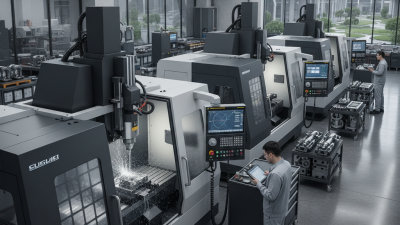
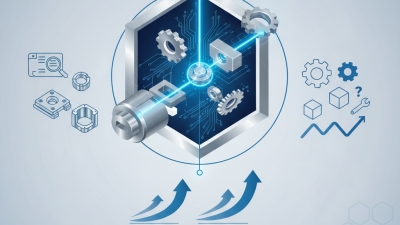
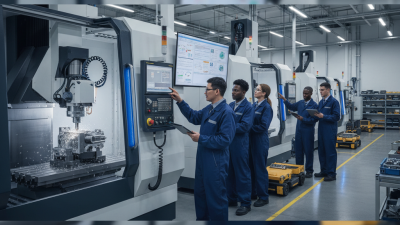
In the rapidly evolving landscape of manufacturing, CNC machining technology is at the forefront of innovation. This specialized technique allows for precise and efficient production. It has transformed industries by enhancing productivity and reducing costs. Now, it is essential to examine the key trends shaping its future.

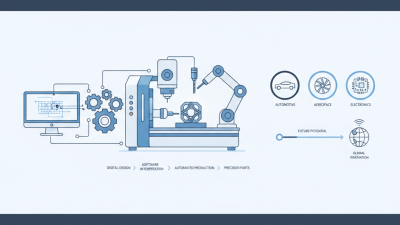
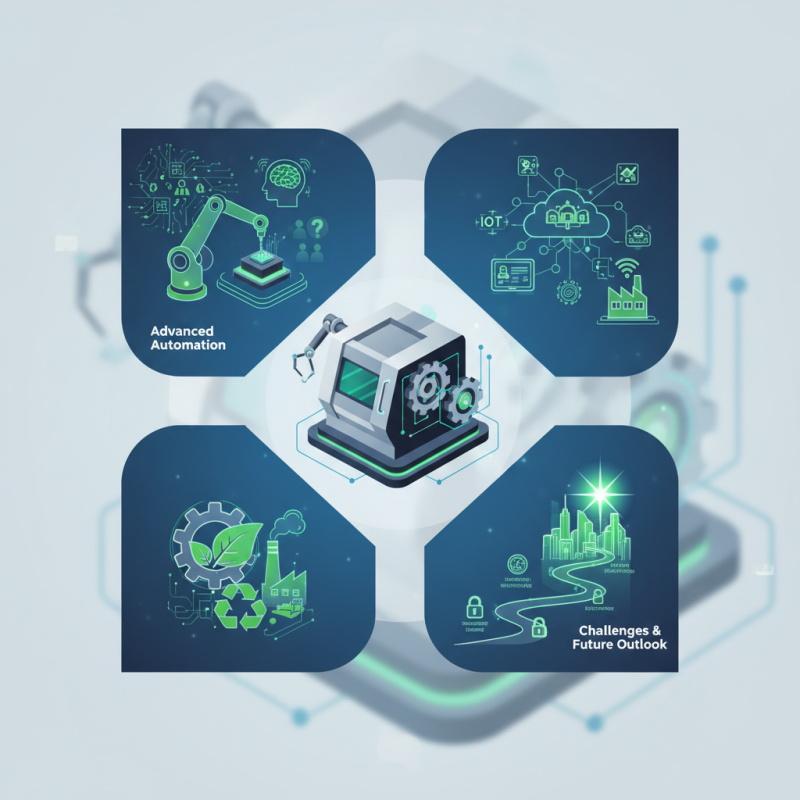
Advanced automation is a crucial trend in CNC machining technology. Robots and AI are increasingly used to streamline processes and minimize human error. However, this shift raises questions about job security and the need for skilled workers. Additionally, the integration of IoT devices is creating smarter manufacturing environments. These devices provide real-time data, optimizing performance and reducing downtime.

Furthermore, sustainability is becoming a significant focus. CNC machining technology is being adapted to produce less waste and use eco-friendly materials. Yet, this shift requires investment and careful planning. While the future looks promising, challenges remain. Companies must navigate these changes carefully to truly benefit from CNC machining advancements.
Top CNC Machining Technology Trends Shaping the Future of Manufacturing?

Emergence of Advanced Materials in CNC Machining
Top CNC Machining Technology Trends Shaping the Future of Manufacturing?

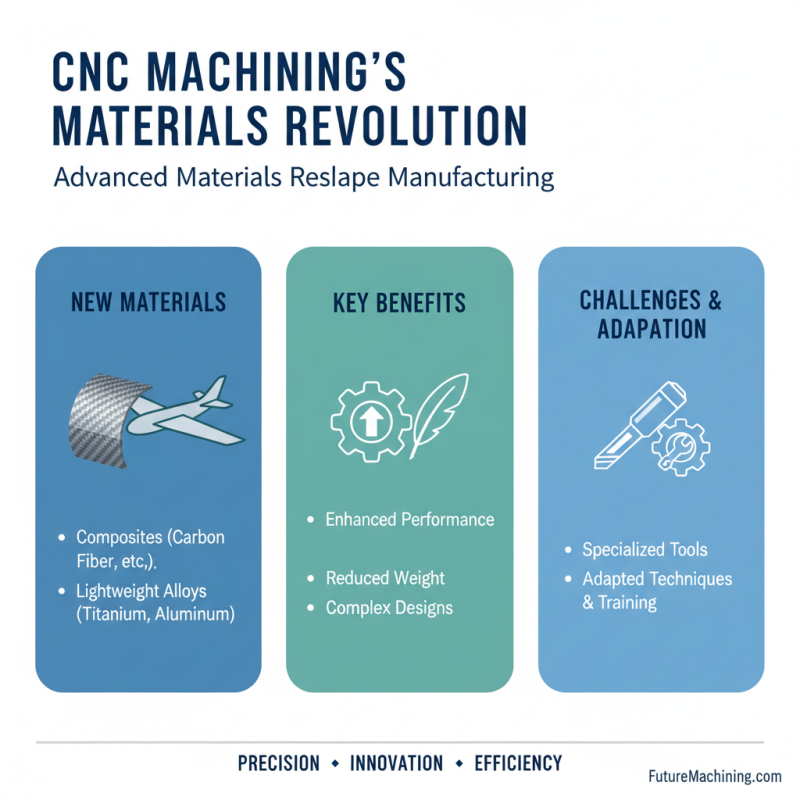
The rise of advanced materials is transforming CNC machining. Innovative materials like composites and lightweight alloys are now common. These materials enhance performance and reduce weight. They enable manufacturers to create complex designs with precision. However, working with these materials presents unique challenges. Operators must adapt their techniques and tools.

Machining advanced materials can lead to unexpected issues. Tool wear may increase, requiring regular monitoring and replacement. Some advanced materials can also be difficult to cut. This can result in poor surface finishes or dimensional inaccuracies. Companies often need more training, as traditional methods may not apply.

The integration of advanced materials necessitates a shift in manufacturing strategies. More research is crucial to improve tools and processes. Collaboration among engineers and material scientists can drive innovation. Without a proactive approach, companies may struggle to keep pace with the industry. Embracing these ongoing changes is essential for future relevance.

Integration of Artificial Intelligence in CNC Processes

The integration of artificial intelligence (AI) in CNC processes is revolutionizing manufacturing. AI technology streamlines operations, enhancing precision and efficiency. According to a recent report by MarketsandMarkets, the AI in manufacturing market is expected to grow from $1.41 billion in 2020 to $16.7 billion by 2026, showcasing a compound annual growth rate (CAGR) of 43.0%. This rapid adoption highlights the importance of AI in CNC machining.

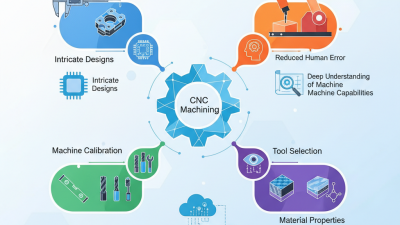
Using AI, CNC machines can analyze production data in real time. This capability allows for predictive maintenance, reducing downtime and enhancing machine longevity. AI can identify patterns and anomalies, helping operators correct potential issues before they escalate. However, this technology isn't flawless. Integration challenges and the need for skilled personnel remain significant hurdles. Training staff to work alongside AI is crucial for maximizing benefits.

**Tips:** Start small with AI integration. Focus on one production line before scaling up. Assess your team's readiness for AI tools. Regularly gather feedback on AI performance. Adapt your strategy based on what works and what doesn’t. Embrace the learning curve; imperfection often leads to improvement.

Impact of Automation on CNC Machining Efficiency

Automation is revolutionizing CNC machining. According to a report by Technavio, automating CNC machines can increase efficiency by up to 30%. This boost comes from reduced idle times and faster setup processes. Operators spend less time on manual adjustments and troubleshooting. Instead, they can focus on monitoring the machines and ensuring high-quality output.

However, not all businesses are ready for this shift. Some struggle with the transition. Workers may resist new technology due to fear of job loss. Understanding these concerns is crucial. Companies need to invest in training and support. A McKinsey report suggests that close to 60% of workers in manufacturing risk being displaced by automation. However, this also opens doors for new opportunities in tech-heavy roles.

Moreover, the initial costs of automation can be daunting. Layering automation into existing workflows requires time and resources. Current CNC systems may need upgrades or replacements. Companies must weigh the long-term benefits against short-term expenses. Embracing automation involves both challenges and significant potential rewards.

Sustainable Practices in CNC Machining Technologies

Sustainable practices in CNC machining are revolutionizing manufacturing. More companies are embracing eco-friendly methods. According to a 2022 report by the National Association of Manufacturers, 78% of manufacturers aim to adopt environmentally friendly practices. This shift not only helps the planet but also boosts efficiency.

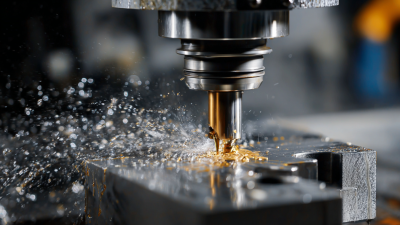
Machining tools now focus on reducing waste. Technologies like advanced coolant systems minimize fluid consumption. These tools help cut energy usage significantly. A survey by TechRepublic found that companies reduced energy costs by 20% through such methods. Waste recycling programs are on the rise, diverting over 60% of scrap materials from landfills.

Tip: Evaluate your material sources. Choosing recycled metals can lower costs and environmental impact.

Finding the right balance between productivity and sustainability is tough. Not every company can transition quickly. Some face resistance from traditional practices. However, incremental changes can lead to significant improvements. Continuous training and education can empower employees to embrace sustainable techniques.

Tip: Start small with pilot programs. Test sustainability initiatives before full-scale implementation.

Future Directions: Smart Manufacturing and IoT in CNC Systems

The integration of smart manufacturing and the Internet of Things (IoT) in CNC systems is revolutionizing the way industries operate. These technologies enable machines to communicate with each other, sharing data and analytics. This real-time connectivity allows for increased efficiency and reduced downtime. However, the reliance on such technologies raises concerns about cybersecurity risks. Many manufacturers must enhance their security protocols to protect sensitive information.

Implementing IoT in CNC systems opens up a world of possibilities. Sensors can monitor equipment performance continuously, predicting when maintenance is needed. This proactive approach minimizes unexpected breakdowns. Yet, not all companies fully utilize these advancements. Some still depend on traditional methods, which can hinder their competitiveness. It's essential for manufacturers to embrace this digital transformation, even if it means re-evaluating their existing practices.

Smart manufacturing also brings a level of personalization to production processes. Customization can be achieved without sacrificing speed or quality. However, balancing this personalization with automation can be challenging. The fear of losing human jobs to machines remains a topic of discussion. As we look to the future, it's crucial for industries to navigate these issues thoughtfully while pushing for innovation.

We Meet Our Clients Needs.

Meeting the diverse needs of our clients, we have complete machining facilities for everything from single part prototypes to large quantity production. Our small size is one of our biggest assets. It allows us to control costs and maintain the highest of standards.

Quality orientated  and delivery always on time or earlier than originally promised.

Strongly recommend MSD.