
How to Install a Hydraulic Cylinder for Optimal Performance?

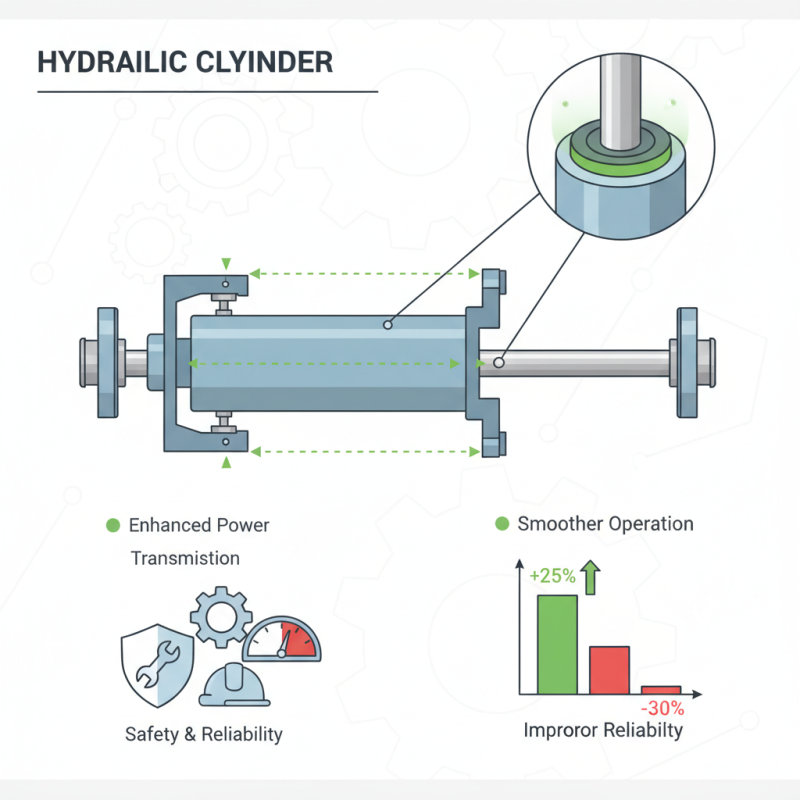
Hydraulic Cylinder Installation is crucial for ensuring optimal performance in various machinery applications. A report by the International Hydraulic Association indicates that improper installation can lead to a 30% reduction in equipment efficiency. This underscores the importance of following precise installation protocols. When hydraulic cylinders are installed incorrectly, it can cause significant downtime. This results in both increased costs and reduced productivity.

In the construction and manufacturing industries, hydraulic systems are pivotal. A study from the Hydraulic Institute reveals that maintaining proper alignment during installation improves lifespan by 25%. Properly installed hydraulic cylinders can offer enhanced power transmission and smoother operation. However, many technicians overlook key installation details, leading to performance hiccups.

Misalignments or improper sealing often result in leaks and reduced loads. Such issues can harm equipment and endanger safety. Companies must invest in training their workforce on best practices in Hydraulic Cylinder Installation. This approach not only optimizes performance but also fosters a culture of safety and reliability in the workplace.
How to Install a Hydraulic Cylinder for Optimal Performance?

Understanding the Components of a Hydraulic Cylinder

Hydraulic cylinders are essential components in various machinery, providing the force needed for tasks ranging from lifting to pushing. A typical hydraulic cylinder consists of several key parts: the cylinder barrel, piston, piston rod, seals, and end caps. Each of these components plays a crucial role in the cylinder's performance. The barrel houses the piston and contains hydraulic fluid under pressure. It is vital that this component is free from scratches and defects to ensure smooth operation.

The piston and piston rod work together to convert hydraulic pressure into linear motion. The piston must fit snugly within the cylinder to avoid fluid leaks. Seals are another critical aspect, preventing fluid escape and maintaining pressure. However, seals can wear out over time, leading to performance issues. Regular inspection of these components is necessary to ensure their integrity. If any signs of wear are spotted, replacement should be considered.

Understanding the dynamics of these components can help in optimizing the hydraulic system's performance. It’s crucial to consider the specific application and operating environment. Overlooked details, like improper fitting or unsuitable seals, can significantly impact efficiency. Regular maintenance is not just a requirement but an investment in the machine’s longevity.

Preparing Your Workspace for Hydraulic Cylinder Installation

Preparing your workspace for hydraulic cylinder installation is crucial for success. Start by ensuring you have adequate space. Clear away any clutter that may hinder movement. A clean workspace allows for safer operations and better focus on the installation process. Proper lighting is also essential. Ensure all areas are well-lit to minimize the risk of errors.

Gather all necessary tools and materials before beginning. This includes wrenches, seals, and hydraulic fluid. Having everything on hand will prevent interruptions during installation. However, it’s easy to overlook a small part. Double-check your inventory to avoid frustrating delays later. It’s also a good idea to have safety gear within reach. Gloves and goggles protect against potential hazards.

Consider the flooring as well. Smooth, durable surfaces are ideal. If your workspace has uneven floors, you may need to level the area. An unstable environment can lead to mistakes. Reflect on past installations. Were there issues due to workspace setup? Learning from those experiences can guide your preparations this time around. A well-organized workspace sets the stage for optimal performance during your hydraulic cylinder installation.

Step-by-Step Guide to Installing a Hydraulic Cylinder

Installing a hydraulic cylinder can be a tricky task. Ensure you have the right tools and a clear workspace. Start by gathering all necessary components. This includes the cylinder, mounting brackets, and hoses.


Position the hydraulic cylinder carefully. Alignment is crucial for optimal performance. If the cylinder is misaligned, it may not function correctly. Take your time and double-check measurements.


After mounting, connect the hydraulic hoses. Pay attention to avoid leaks. A small leak can lead to larger issues over time. Test the system before full operation. If you notice unusual sounds or vibrations, it may indicate a problem. Checking your work regularly will lead to better long-term performance.

Testing and Adjusting for Optimal Cylinder Performance

Testing and adjusting a hydraulic cylinder is crucial for ensuring optimal performance. After installation, it’s essential to check the cylinder’s operation. Start by engaging the system and observing its movement. If the cylinder exhibits excessive noise or jerky motion, something may be off. These issues could indicate improper installation or alignment.

Adjusting the cylinder involves several steps. Begin by inspecting the hydraulic fluid levels. Inadequate fluid can lead to performance issues. Next, examine all connections for leaks. Even minor leaks can result in significant pressure loss. Additionally, the hydraulic pressure settings should be calibrated according to specifications, allowing for smooth operation.

Take the time to reflect on the performance results. Are there any persistent issues? Consider consulting an expert for a second opinion. Sometimes, minor adjustments can make a significant difference. Experimentation and close monitoring can lead to improved functionality. Aim for continual refinement of the system, as this can help achieve the best outcomes.

How to Install a Hydraulic Cylinder for Optimal Performance? - Testing and Adjusting for Optimal Cylinder Performance

Parameter Value Unit Notes
Cylinder Stroke Length 500 mm Optimal for medium machinery
Operating Pressure 200 bar Ensure no overpressure
Cylinder Bore Diameter 80 mm Standard for load capacity
Mounting Type Fork - Choose based on equipment
Fluid Type Hydraulic Oil AW32 - Recommended for temperature stability
Temperature Range -20 to 60 °C Avoid extreme temperatures

Maintaining Your Hydraulic Cylinder for Longevity and Efficiency

Hydraulic cylinders are essential in various machinery, but their longevity depends on proper maintenance. Regular inspections should focus on seals and connections. Look for signs of wear, leaks, or unusual sounds. Correcting these issues early can prevent costly repairs.

Another key aspect is fluid quality. Contaminated fluid can significantly impact performance and lifespan. Always use the correct type of hydraulic fluid, and change it as recommended. Regularly check for contamination. If the fluid appears dark or has particles, it’s time for a change.

Temperature management is crucial too. Excessive heat can degrade seals and fluids, leading to premature failure. Monitor the operating temperature closely. If it rises beyond safe limits, identify the cause immediately. Remember, a small oversight can lead to bigger problems. Regular mechanical checks, alongside fluid maintenance, ensure optimal cylinder performance and efficiency.

We Meet Our Clients Needs.

Meeting the diverse needs of our clients, we have complete machining facilities for everything from single part prototypes to large quantity production. Our small size is one of our biggest assets. It allows us to control costs and maintain the highest of standards.

Quality orientated  and delivery always on time or earlier than originally promised.

Strongly recommend MSD.