What is a Rotating Machine and How Does it Work?
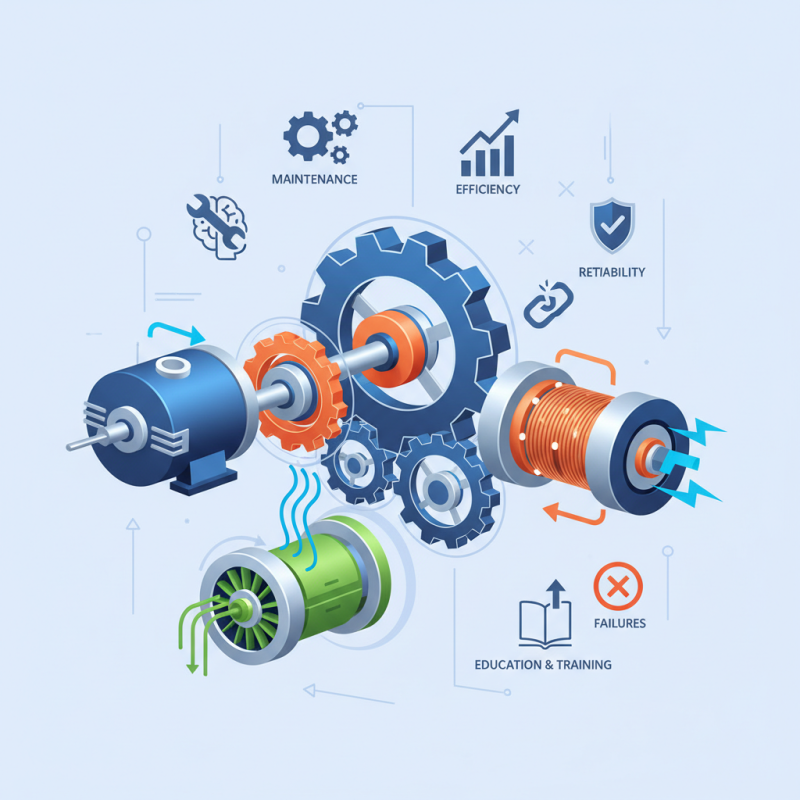
Rotating Machines are at the core of many industrial processes. They convert energy into mechanical motion. Dr. Emily Foster, a renowned expert in mechanical engineering, once stated, “Understanding Rotating Machines is essential for efficiency in modern engineering.” This highlights their significance in today's technology-driven environment.
These machines include motors, turbines, and generators. Each type serves a unique purpose but shares common principles. They rely on rotating elements, such as shafts and rotors, to function effectively. Yet, not all Rotating Machines operate without issues. Maintenance is often overlooked, leading to failures.
The complexity of these systems sometimes overwhelms engineers. Misalignment or wear can drastically reduce efficiency. Innovations in design are constant, yet challenges remain. There’s a need for ongoing education and training in this field. Embracing the intricacies of Rotating Machines can drive advancements, but awareness of their limitations is just as crucial.
Definition and Types of Rotating Machines
Rotating machines are essential in various industries. They convert mechanical energy into different forms. Common types include motors and generators. According to a report by the International Energy Agency, electric motors consume nearly 45% of the world's electricity. This highlights their importance.
Electric motors are the most prevalent rotating machines. They have various applications, from household appliances to large industrial equipment. Generators, on the other hand, convert mechanical energy back to electrical energy. The global market for rotating machines is expected to reach $300 billion by 2026, driven by rising energy demands and environmental concerns.
Despite their widespread use, challenges exist. Many machines suffer from efficiency losses. According to an IEEE survey, up to 30% of industrial motors operate at less than optimal efficiency. This inefficiency results in higher energy costs and unnecessary emissions. Understanding and improving these machines is crucial for future sustainability.
Fundamental Working Principles of Rotating Machines
Rotating machines are essential in many industries. They convert energy into mechanical motion. Examples include electric motors and turbines. Understanding their fundamental principles helps in optimizing their performance.
At the core of rotating machines is the interaction between magnetic fields and current. This interaction creates forces that cause the rotor to spin. The stator, often fixed, supports these magnetic fields. The design of these components is critical. Any imbalance can lead to inefficiencies or even failures. Vibration issues might arise, causing wear and tear.
Torque is another key concept. It is the measure of rotational force. Adequate torque ensures machines run smoothly. However, if the torque is insufficient, the machine may stall. Engineers need to take specific care when sizing components. Overestimating can lead to increased costs, while underestimating may cause performance issues. These challenges remind us that precision in design is crucial for the reliability of rotating machines.
What is a Rotating Machine and How Does it Work? - Fundamental Working Principles of Rotating Machines
| Parameter | Description | Typical Values |
| Rotational Speed | The speed at which the rotor spins, usually measured in RPM (Revolutions Per Minute). | 1500 - 3000 RPM |
| Power Output | The amount of power produced by the machine, typically expressed in kilowatts (kW). | 1 - 1000 kW |
| Efficiency | The ratio of useful output power to input power, expressed as a percentage. | 85% - 98% |
| Torque | A measure of the rotational force produced by the machine. | 10 - 500 Nm |
| Cooling Method | Technique used to manage the temperature of the machine. | Air-cooled, water-cooled |
Key Components and Their Functions in Rotating Machines
Rotating machines are essential in various industries, converting electrical energy into mechanical energy. These devices consist of several key components, each playing a vital role. The rotor generates motion by rotating around a fixed axis. It often contains coils or magnets that interact with stationary elements. Once the current flows, the rotor spins, creating energy.
The stator surrounds the rotor, providing a stable structure. It usually consists of coils of wire that create a magnetic field when energized. This field exerts a force on the rotor, facilitating its rotation. Moreover, bearings support the rotor’s movement and reduce friction. They allow smooth operation but can be prone to wear over time.
Transmission systems connect the rotating machine to external loads. These may include gears, pulleys, or belts. Their design can significantly impact efficiency. Unfortunately, a misalignment or slack in the system can lead to energy loss. Regular maintenance of these components is crucial. Otherwise, the machine may suffer reduced performance or unexpected failures.
Applications of Rotating Machines in Various Industries
Rotating machines play a crucial role in many industries. They are used in power generation, manufacturing, and transportation. According to the International Energy Agency, around 60% of global electricity generation comes from rotating machines in the form of turbines. This clearly shows their significance.
In the automotive sector, rotating machines like electric motors and internal combustion engines are vital. The global electric vehicle market is projected to reach $1.1 trillion by 2026. However, the transition to electric vehicles faces challenges, such as battery efficiency and charging infrastructure. These issues require attention and innovation.
Manufacturing relies heavily on rotating machinery. Equipment such as pumps and compressors are essential for various processes. The global market for industrial rotating equipment is expected to grow to $52 billion by 2025. Still, many factories struggle to maintain their machines properly. Regular maintenance is often overlooked, leading to inefficiencies. Addressing this issue is necessary for maximizing productivity and reducing costs.
Maintenance and Performance Optimization of Rotating Machines
Rotating machines are vital in many industries. Maintenance of these machines is crucial for optimal performance. According to a report from the International Journal of Machine Tools and Manufacture, improper maintenance can lead to a performance drop of over 30%. Regular checks and timely repairs are essential.
Vibration analysis is an effective method for monitoring machine health. It helps detect issues before they escalate. For example, a study found that implementing vibration monitoring reduced downtime by 25%. Regular lubrication and alignment checks can also enhance performance. Neglecting these tasks often leads to mechanical failures.
Data from the Energy Efficiency Handbook suggests that a well-maintained rotating machine can save up to 15% in energy costs. However, many facilities still overlook best practices. Unsurprisingly, only 40% conduct regular preventive maintenance. This gap indicates a need for improvement. Identifying and addressing maintenance issues can lead to significant benefits in reliability and cost savings.
