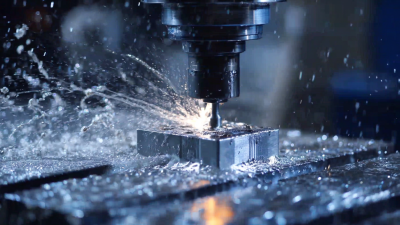
Top 10 Advancements in Machining Technology You Need to Know About
The landscape of machining technology has evolved dramatically over the past decade, with innovations that are transforming industries and redefining efficiency standards. According to a recent report by Market Research Future, the global machining technology market is expected to reach $100 billion by 2025, driven by advancements in automation, robotics, and digitalization. As companies increasingly seek competitive advantages through improved productivity and precision, understanding the latest trends and technologies in this field is more important than ever.
Expert insights reveal that the pace of change in machining technology is unprecedented. Dr. Emily Chen, a leading authority in the field and director of the Advanced Manufacturing Research Institute, states, "The integration of smart technologies in machining processes is not just a trend; it’s reshaping how we think about manufacturing efficiency and quality control." Her observations underline the necessity for industry professionals to stay abreast of the top advancements that are setting new benchmarks in the machining sector.
As we explore the top 10 advancements in machining technology, we will highlight key innovations that are influencing the market, addressing both technical improvements and strategic implications for manufacturers. Understanding these advancements is crucial for companies aiming to leverage machining technology to enhance productivity and sustainability in their operations.
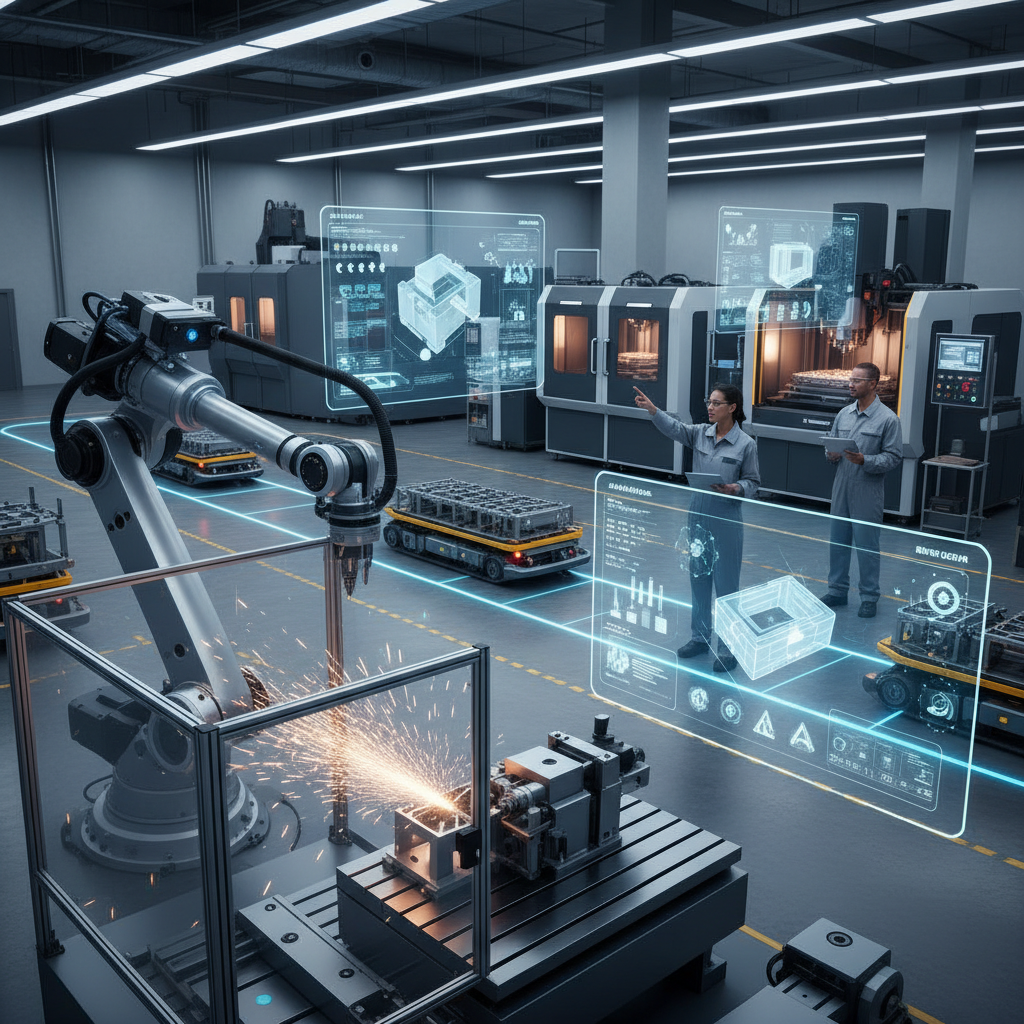
Innovative CNC Machining Techniques Revolutionizing Manufacturing
The landscape of manufacturing is experiencing a revolutionary transformation thanks to innovative CNC machining techniques. These advanced methods, characterized by high precision and automation, significantly enhance productivity across various industries. The integration of digital manufacturing technologies allows for real-time monitoring and optimization of processes, leading to improved efficiency and reduced waste. As a result, manufacturers can achieve higher output while maintaining stringent quality standards.
One noteworthy advancement is the development of the TMF8000 programmable rotary index table, which exemplifies cutting-edge motion control technology. This system expands the capabilities of CNC machines by allowing precise, programmable rotational movements. Such improvements facilitate complex machining tasks that were previously challenging, making it possible to create intricate components with exceptional accuracy. Furthermore, in sectors like aerospace, additive manufacturing techniques have emerged as a game-changer, offering lightweight, robust solutions tailored to specific applications. This combination of machining innovations not only boosts production rates but also opens up new possibilities for design and functionality in modern manufacturing.
The Role of Automation in Enhancing Precision and Efficiency
The role of automation in enhancing precision and efficiency has become increasingly pivotal across various industries, including manufacturing, agriculture, and healthcare. In machining technology, automation not only streamlines production processes but also significantly improves accuracy. For instance, machine vision systems integrated into robotic frameworks enhance the precision of tasks such as sorting and assembling components, ensuring that products meet exact specifications while reducing human error.
Similarly, the advancements in robotic technology have transformed sectors like surgical procedures, where automated systems allow for minimally invasive surgeries with unparalleled accuracy. This has led to better patient outcomes and reduced recovery times. Furthermore, the incorporation of automated systems in precision agriculture exemplifies how technology can optimize resource use and enhance productivity. By employing data-centric methodologies alongside real-time analytics, farms can achieve operational efficiencies that drive sustainability and profitability, highlighting the essential role of automation in navigating modern challenges.
Emerging Materials that Transform Machining Processes
The evolution of machining technology is heavily influenced by the introduction of emerging materials that are transforming traditional processes. Advanced composites, such as carbon-fiber-reinforced polymers and ceramic matrix composites, are becoming increasingly popular in industries ranging from aerospace to automotive. These materials offer superior strength-to-weight ratios and enhanced durability, allowing for more efficient machining operations and longer tool life. Consequently, manufacturers are adapting their techniques to accommodate these new materials, which often require specialized cutting tools and processes to prevent damage during machining.
Moreover, the rise of additive manufacturing technologies has opened new avenues for material applications in machining. Hybrid processes that combine additive methods with subtractive machining allow for the creation of complex geometries with less material waste. Materials like titanium and high-performance alloys are now easier to manipulate, providing engineers with the flexibility to innovate without compromising on performance. As these emerging materials gain traction, they not only improve the overall efficiency of machining operations but also pave the way for the production of lighter, stronger components that meet the demands of modern engineering challenges.
Top 10 Advancements in Machining Technology
This chart illustrates the top 10 advancements in machining technology, focusing on emerging materials that transform machining processes. The data showcases various materials and their impact on efficiency and precision in machining.
Integration of Artificial Intelligence in Machine Tool Operations
The integration of Artificial Intelligence (AI) into machine tool operations is revolutionizing the machining industry. According to a recent report by MarketsandMarkets, the global AI in manufacturing market is expected to reach $16.7 billion by 2026, growing at a CAGR of 44.6%. This exponential growth underscores the increasing reliance on AI technologies to enhance operational efficiency and drive intelligent automation in machining processes. AI algorithms can analyze real-time data from machinery to optimize cutting conditions, minimizing tool wear and maximizing production rates.
Moreover, AI-powered predictive maintenance is becoming a game-changer, helping manufacturers reduce downtime significantly. According to a study by McKinsey, predictive maintenance can cut maintenance costs by up to 30% and downtime by 50%. By utilizing machine learning models to predict failures before they occur, companies can ensure smoother operations and substantial cost savings. As AI continues to develop, its applications in CNC programming and process planning are also expected to enhance precision and reduce human error, further advancing machining technology.
Advanced Measurement Technologies for Quality Assurance in Machining
In the realm of machining, advanced measurement technologies play a crucial role in ensuring quality assurance and precision. As industries demand higher accuracy and greater efficiency, the integration of sophisticated measurement tools has become indispensable. Technologies such as laser interferometry and coordinate measuring machines (CMMs) provide manufacturers with the ability to capture intricate details and dimensional accuracy in real-time. These tools help in minimizing errors during production, thereby enhancing the overall quality of the machined components.
Moreover, emerging technologies such as digital imaging and machine learning algorithms are revolutionizing the way measurement data is analyzed. These innovations allow for deeper insights and predictive analytics, enabling manufacturers to identify potential issues before they escalate. By integrating these advanced measurement systems into their workflows, machining facilities can streamline processes, reduce waste, and significantly improve the consistency of their output. In an industry where precision is paramount, embracing these advancements is not just beneficial, but essential for maintaining a competitive edge.
Top 10 Advancements in Machining Technology You Need to Know About
| Advancement | Description | Impact on Industry | Key Technology |
|---|---|---|---|
| Additive Manufacturing | Combining traditional machining with additive techniques for complex geometries. | Reduces material waste and enhances design possibilities. | 3D Printing Technologies |
| CNC Machining Enhancements | Integration of AI and machine learning for predictive maintenance. | Increases operational efficiency and reduces downtime. | AI and IoT Technologies |
| Eco-Friendly Machining | Use of biodegradable lubricants and sustainable materials. | Minimizes environmental impact and complies with regulations. | Green Manufacturing Techniques |
| Real-time Monitoring Systems | Sensors that provide data on machining processes in real-time. | Enhances quality control and reduces scrap rates. | Smart Sensors & IoT |
| Digital Twins | Virtual replicas of physical machining processes for optimization. | Aids in simulation and reduces time-to-market. | Simulation Software |
| Advanced Tool Materials | Use of coatings and new material compositions for tools. | Improves tool lifespan and performance. | Nanotechnology and Coatings |
| Robotics in Machining | Automated systems enhancing precision in machining tasks. | Reduces human error and improves safety. | Industrial Robotics |
| Augmented Reality (AR) Training | Use of AR for operator training and equipment setup. | Enhances training efficiency and accuracy in setup. | AR Technology |
| Micro-Machining Techniques | Machining at micro-scale dimensions for specialized applications. | Enables production of intricate components in medical and electronic fields. | Laser and Micro-Machining Systems |
| Hybrid Machining Processes | Combining multiple machining processes into one workflow. | Increases versatility and efficiency in production. | Combination of Various Machining Technologies |
Related Posts
-
Exploring the Future: How Advanced Machining and Manufacturing Are Transforming Industries
-
The Future of Precision Machining Innovations Transforming Industry Standards
-
How to Choose the Best Precision Machining and Manufacturing Services for Your Business Needs
-
The Future of Machine Tools Innovations Transforming Manufacturing Processes
-
Revolutionizing Industries: The Impact of CNC Machining and Manufacturing on Modern Technology
-
Revolutionizing Manufacturing Efficiency with Advanced CNC Machine Tools and Smart Technologies
We Meet Our Clients Needs.
Meeting the diverse needs of our clients, we have complete machining facilities for everything from single part prototypes to large quantity production. Our small size is one of our biggest assets. It allows us to control costs and maintain the highest of standards.
Quality orientated and delivery always on time or earlier than originally promised.
Strongly recommend MSD.