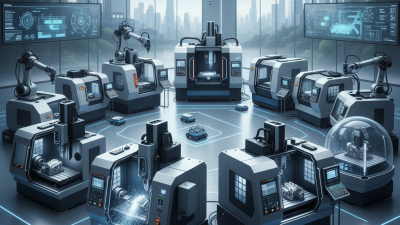
Top Machining Equipment Trends to Watch in 2026?
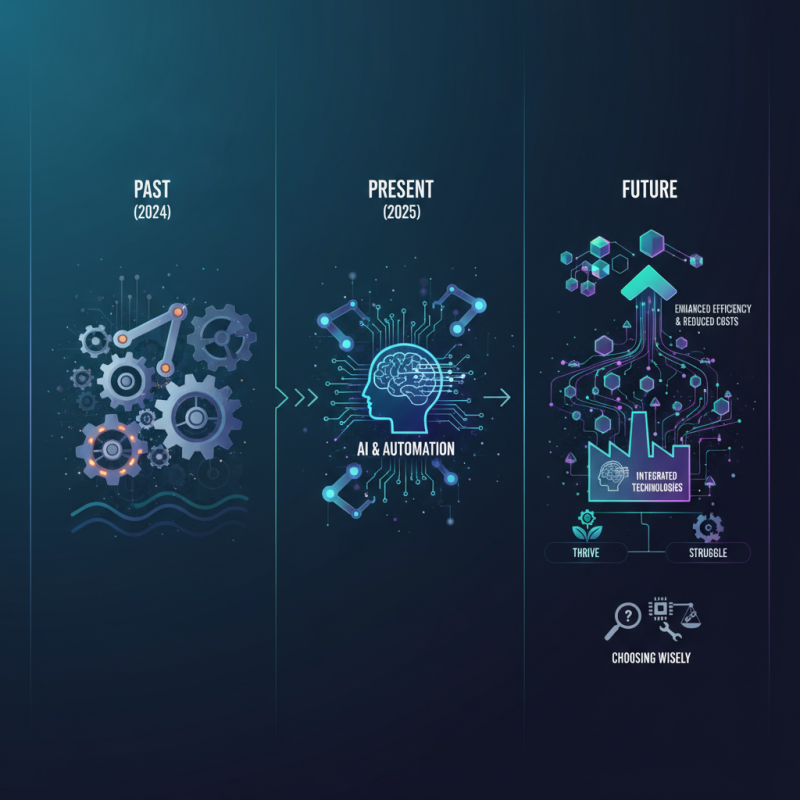
As we look ahead to 2026, the landscape of machining equipment is poised for significant transformation. Companies increasingly seek innovations that enhance efficiency and reduce costs. Advanced technologies are reshaping how manufacturers operate. Modern machining equipment integrates automation and artificial intelligence, driving productivity to new heights.
However, embracing these changes comes with challenges. Businesses must adapt to rapid advancements. This requires continuous training and investment in new tools. While the future appears bright, organizations must remain vigilant about choosing the right machining equipment. The balance between cutting-edge technology and practical application is delicate.
In this dynamic environment, some companies may struggle to keep pace. It is essential to assess the evolving needs of the market. Some firms will thrive, while others may falter. Understanding these trends in machining equipment will be crucial for future success.
Emerging CNC Machining Technologies Projected for 2026
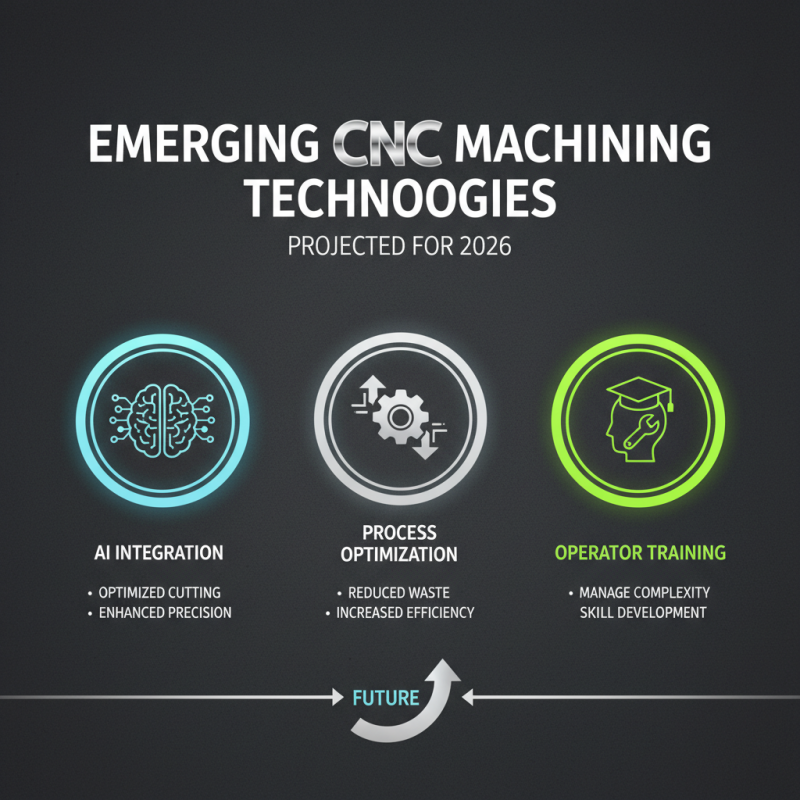
As we look toward 2026, the landscape of CNC machining is set to be reshaped by innovative technologies. One key trend is the integration of artificial intelligence (AI) into machining processes. AI systems can optimize cutting conditions and enhance precision. This leads to reduced material waste, increasing efficiency in production. While this technology is promising, its complexity could pose challenges for operators who need proper training.
Another emerging trend is the utilization of advanced materials. New composites and alloys are being developed, which can withstand higher temperatures and stresses. These materials can lead to stronger, more durable components. However, machining them requires updated tools and techniques, which may not be readily available in every workshop. It's essential for manufacturers to assess their current capabilities and make strategic upgrades.
Lastly, sustainability will remain a critical focus. CNC machines that minimize energy consumption and reprocess waste are becoming more common. This shift is beneficial but requires a cultural change within companies. Employees need to embrace sustainable practices and understand their importance. As we venture into 2026, striking a balance between innovation and practicality will be crucial for success in CNC machining.
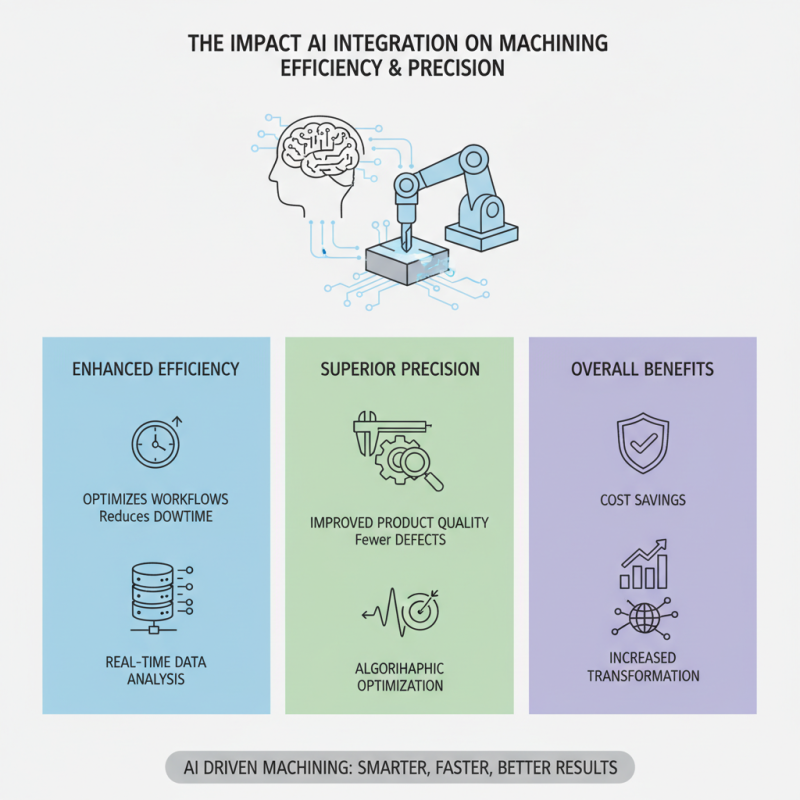
The Impact of AI Integration on Machining Efficiency and Precision
The integration of AI into machining processes is transforming the industry. It enhances efficiency and precision, leading to better product quality. AI algorithms analyze vast amounts of data from machines in real time. This data informs decisions, optimizing workflows and reducing downtime.
Tips: Consider implementing AI-driven analytics to identify patterns in machine performance. Small changes can yield significant improvements. Regularly training your staff on AI tools promotes adaptability and fosters a culture of innovation.
While AI boosts machining capabilities, challenges emerge. The initial investment in technology can be substantial. Training employees in new systems requires time and resources. Some workers may feel overwhelmed by automated systems. It's crucial to address these concerns with proper support and ongoing education.
Tips: Engage employees in the transition process. Involve them in discussions about AI's role in their work. This fosters acceptance and helps bridge the gap between traditional practices and innovation.
Advancements in Additive Manufacturing Techniques and Materials by 2026
Additive manufacturing is rapidly evolving. By 2026, new techniques and materials will redefine the industry. Recent advancements show promise in enhancing both efficiency and quality. Metal 3D printing is gaining traction. It allows for complex geometries that traditional machining cannot achieve. This leads to significant weight reduction in various applications.
Material innovation is equally crucial. Biodegradable options are becoming more popular. They address sustainability concerns while maintaining performance. In addition, the development of high-performance polymers opens new possibilities. These materials offer durability and flexibility, making them ideal for various sectors. However, challenges remain. The cost of materials can be prohibitive. Manufacturers may struggle to balance quality and affordability.
As we move forward, the industry must reflect on its practices. Relying too heavily on new technologies can lead to unforeseen issues. Quality control must adapt to the changing landscape. Organizations need to invest in talent and training. This is essential for tapping into the potential of these advancements. The journey of additive manufacturing is exciting, but it is also complex.
Top Machining Equipment Trends to Watch in 2026
| Trend | Description | Impact on Industry | Adoption Rate (%) |
|---|---|---|---|
| Advanced Additive Manufacturing | Development of faster and more precise 3D printing technologies. | Enhanced design possibilities and reduced material waste. | 65% |
| Smart Machining Systems | Integration of AI and IoT in manufacturing processes. | Improved efficiency and predictive maintenance capabilities. | 60% |
| Sustainable Manufacturing Practices | Emphasis on reducing carbon footprint and waste. | Meeting regulatory requirements and enhancing corporate responsibility. | 70% |
| Composite Materials Usage | Widespread use of lightweight and durable composite materials. | Increased performance in aerospace and automotive sectors. | 75% |
| Digital Twins Technology | Real-time simulation and monitoring of manufacturing processes. | Enhanced decision-making and operational efficiency. | 55% |
Sustainable Practices Reshaping the Machining Equipment Landscape
Sustainable practices are revolutionizing the machining equipment landscape. As industries face growing scrutiny over their environmental impact, manufacturers are adopting greener technologies. This shift is driven by both consumer demand and regulatory pressure.
Energy-efficient machines are gaining popularity. They consume less power while maintaining high performance. New technologies, such as advanced cooling systems, reduce waste significantly. However, implementing these systems can be costly and daunting for smaller firms. Many struggle with the transition, often facing budget constraints and limited expertise.
Moreover, the use of recyclable materials is on the rise. Manufacturers are exploring innovative ways to reduce waste in production. Yet, this requires a cultural shift within companies. Employees must adapt to new practices. Education and training are essential but sometimes insufficient. Companies must continuously reflect on their strategies to ensure sustainability is not just a trend but a fundamental aspect of their operations.
Projected Market Growth and Demand Trends for Machining Equipment by 2026
The machining equipment market is poised for significant growth by 2026. According to a recent industry report, the market is expected to reach $100 billion, driven by automation and advanced manufacturing technologies. Demand for precision engineering is escalating. Industries are increasingly adopting CNC machines. These machines enhance productivity and reduce human error.
Workforce skill gaps present a challenge. Companies must invest in training programs. As automation advances, understanding new technologies becomes crucial. Manufacturers without a skilled workforce may struggle to compete. The need for innovation in smart machining solutions will shape the industry. Data-driven decision-making tools and IoT integration will become standard.
Environmental concerns will also influence trends. Sustainable machining practices are gaining prominence. Companies are urged to adopt eco-friendly practices. This shift may impact operational costs in the short term. However, it could yield long-term benefits. A balance between sustainability and efficiency must be achieved. As these dynamics evolve, the machining landscape will become increasingly complex.
Top Machining Equipment Trends to Watch in 2026
Related Posts
-
Top 10 Best Machine Tools for Precision Engineering in 2023
-

Top Machining Equipment Trends to Watch in 2025 for Industry Leaders
-
2026 Best Machining Equipment for Precision Manufacturing?
-

China Top Machine Tools at 139th Canton Fair What to Expect?
-
Top 10 Advancements in Machining Technology You Need to Know About
-
Top Machining and Manufacturing Techniques Explained?
We Meet Our Clients Needs.
Meeting the diverse needs of our clients, we have complete machining facilities for everything from single part prototypes to large quantity production. Our small size is one of our biggest assets. It allows us to control costs and maintain the highest of standards.
Quality orientated and delivery always on time or earlier than originally promised.
Strongly recommend MSD.