
Types of BMX Bikes You Should Know About for Purchasing?
When considering your options for a new ride, understanding the types of bmx bikes is crucial. BMX biking is not just a sport; it's a lifestyle that attracts riders of all ages. With various styles available, each type serves a unique purpose.
There are racing bikes, built for speed and agility on tracks. They feature lightweight frames and narrow tires. Street and park bikes offer versatility, designed for tricks and jumps in urban environments. These bikes are sturdier, with wider tires and robust frames. Freestyle bikes emphasize trick performance, allowing riders to perform stunts with ease.
Choosing the right type of BMX bike involves reflecting on your riding style and intended use. Personal preferences come into play here, and making the wrong choice can limit your experience. Take your time to explore each option. Research each type carefully. Your choice should feel right in both performance and comfort.
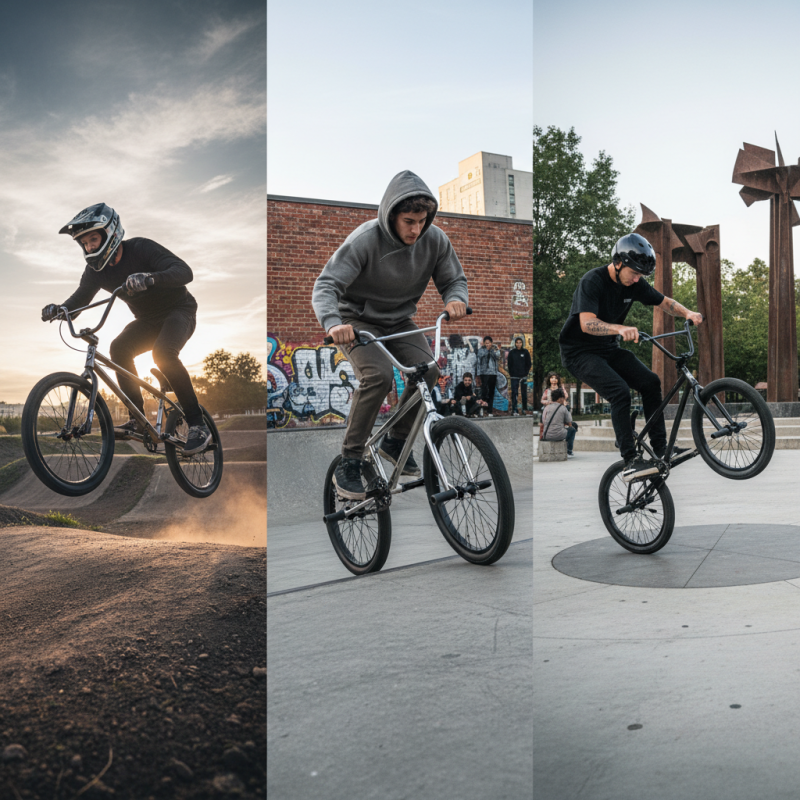
Overview of BMX Bike Types and Their Features
When considering BMX bikes, it's essential to understand the different types available. Each type is designed for specific riding styles and environments. For example, freestyle BMX bikes have a reinforced frame for tricks and stunts. Their comprehensive design often includes pegs for grinding. Racing BMX bikes, on the other hand, are lightweight and built for speed on tracks. They feature a narrower profile to reduce drag.
Tips: When choosing your BMX bike, think about where you will ride. This can significantly affect your decision. A freestyle bike may not perform well on a racing track. Conversely, a racing bike might not handle tricks as effectively.
Another type is the flatland BMX, ideal for flat surfaces and intricate maneuvers. These bikes are typically lighter and have a lower center of gravity. They are perfect for riders who want to focus on balance and precision. Each bike has unique features, suitable for various levels of riders. Reflect on your skills and interests before making a purchase. This will help avoid regrets later on.
Racing BMX Bikes: Designed for Speed and Competition
Racing BMX bikes are designed with one purpose in mind: speed. These bikes are lightweight and aerodynamic. Their slim frames allow for quick acceleration. Riders lean low over the handlebars, minimizing wind resistance. Tires are narrower, offering better grip on smooth tracks.
The geometry of racing BMX bikes is crucial. A shorter wheelbase helps with maneuverability. This design lets riders navigate sharp turns with ease. However, this may feel unstable for beginners. Experienced riders often adjust to this quickly. But there is a learning curve involved.
Racing BMX bikes typically use single gear setups. This simplifies the riding experience. However, it can limit versatility on varied terrains. Some riders might find themselves wishing for more gears during practice sessions. It's also important to note the braking system. Many racing bikes opt for minimal or no brakes for reduced weight. While this enhances speed, it can raise safety concerns, especially for less experienced riders.
Types of BMX Bikes You Should Know About for Purchasing
| Type of BMX Bike | Features | Ideal For |
|---|---|---|
| Racing BMX Bikes | Lightweight frame, low gearing, aerodynamic design | Competitive racing and speed |
| Freestyle BMX Bikes | Durable frame, wide tires, strong construction for tricks | Stunts, tricks, and casual riding |
| Flatland BMX Bikes | Stable design, specific geometries for balance | Flatland tricks and maneuvers |
| Cruiser BMX Bikes | Larger wheels, comfortable geometry, versatile | Casual riding, commuting, and some racing |
| Dirt Jump BMX Bikes | Strong frame, thicker tires, designed for jumps and landings | Dirt jumping and outdoor trails |
Freestyle BMX Bikes: Ideal for Tricks and Stunts
Freestyle BMX bikes are designed for riders who want to perform tricks and stunts. These bikes feature sturdy frames, reinforced components, and a lightweight design. Many riders appreciate the agile feel, which allows for better maneuverability during jumps and spins. A key feature is the absence of brakes in many models, which provides a cleaner look and reduces weight. However, this can be a challenge for less experienced riders.
When selecting a freestyle BMX bike, consider the size and geometry. A shorter frame is often preferred for street riding. A taller frame might be better for vert riding. Knowing your riding style is crucial. The right bike can make a difference in your performance. Some riders struggle with adapting to a new bike. Transitioning from one style to another can require patience.
Wheels also play a vital role in freestyle bikes. Smaller wheels can improve control, while larger ones offer speed. Tubeless tires are favored for flatland tricks, offering better grip. However, they can be more difficult to maintain. Riders often find themselves learning through trial and error. This process can sometimes lead to setbacks, but it is part of the growth in BMX riding.
Flatland BMX Bikes: Specialized for Ground Tricks
Flatland BMX bikes are specifically designed for performing tricks on flat surfaces. Riders use them for everything from spins to flips. These bikes typically feature a shorter frame and a lighter build, allowing for better maneuverability. Flatland BMX requires a unique style. Riders must balance speed and control.
When choosing a flatland bike, pay attention to the geometry. A lower bottom bracket helps with stability during tricks. Also, consider the size of the handlebars. Taller bars can enhance grip and control for complex movements.
Practice is essential in flatland BMX. It often involves trial and error. Don't be discouraged by initial failures. Every successful trick starts with a mistake. Consistent practice will lead to improvement over time. Focus on one trick at a time. This approach helps build confidence and skill.
BMX Park and Street Bikes: Versatility for Different Environments
BMX park and street bikes are specifically designed for versatility. They excel in different environments, adapting easily to street obstacles and park features. These bikes typically have sturdy frames and low standover heights. This design helps riders perform tricks efficiently, whether it's grinding a rail or navigating a quarterpipe.
When choosing a BMX bike, consider the geometry. A shorter wheelbase enhances maneuverability in tight spaces. However, this might limit stability at higher speeds. Some riders prefer a longer frame for better control on ramps. Every rider has unique preferences, and it’s crucial to test out different styles before committing to one.
Materials also play a role in performance. Aluminum offers lightweight benefits, while steel provides durability. It’s essential to weigh the pros and cons. A lighter bike can feel easier to handle but may be less robust. Each material brings its own set of trade-offs, and reflection on personal riding style is needed. Ultimately, the right BMX bike enhances your experience across various settings.
Types of BMX Bikes You Should Know About for Purchasing
Article Source:
We Meet Our Clients Needs.
Meeting the diverse needs of our clients, we have complete machining facilities for everything from single part prototypes to large quantity production. Our small size is one of our biggest assets. It allows us to control costs and maintain the highest of standards.
Quality orientated and delivery always on time or earlier than originally promised.
Strongly recommend MSD.