What is a Vacuum Packing Machine and How Does It Work?
In today's fast-paced food industry, the role of a Vacuum Packing Machine is crucial. These machines extend the shelf life of products by removing air from packaging. Chef John Anderson, an expert in food preservation, once stated, "The right vacuum packing technique can change the game for food storage." His insight emphasizes the significance of this technology.
Vacuum packing not only preserves food but also enhances flavor and texture. It prevents freezer burn and maintains freshness for longer periods. However, not all machines are created equal. Some may not remove air efficiently, leading to potential spoilage. Users might face challenges in selecting the right equipment that meets their needs. Simplifying this process is essential for both home cooks and professionals.
Understanding how a Vacuum Packing Machine works can be enlightening. These devices utilize a pump to create a vacuum, sealing bags tightly. Yet, the choice of materials and settings can significantly impact results. It’s vital to be informed about these factors to ensure optimal food preservation.
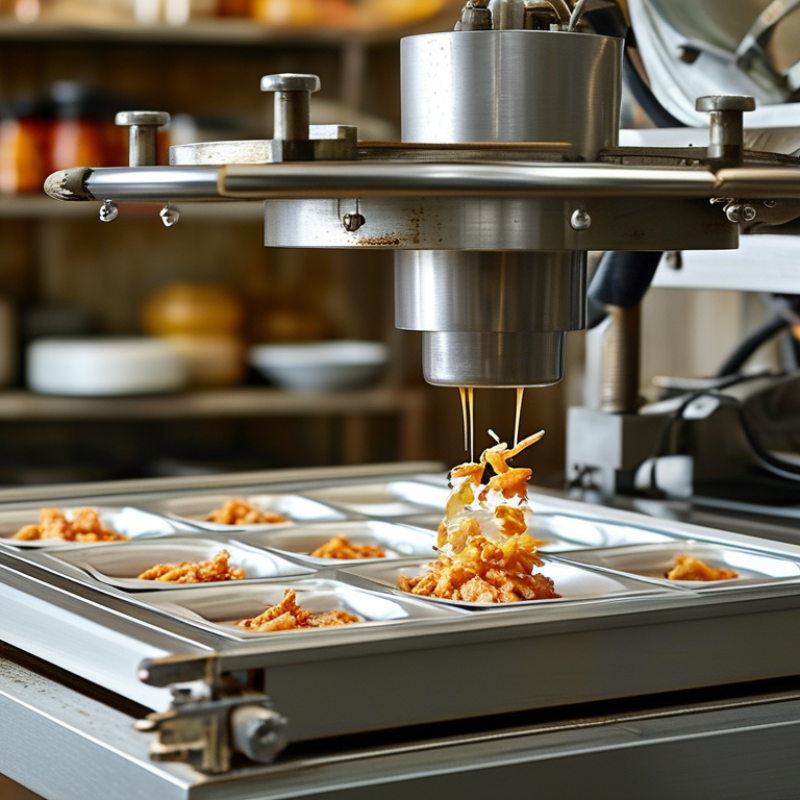
Understanding Vacuum Packing Machines: An Overview
Vacuum packing machines play a crucial role in food preservation. They work by removing air from packages, which prolongs shelf life. In fact, studies show that vacuum-sealed foods can last 2-5 times longer than those stored normally. This technology is widely used in homes and industries alike.
Understanding how these machines operate is essential. A vacuum packing machine utilizes a pump to create a seal by sucking out air before sealing the bag. This process minimizes oxidation, which can lead to spoilage. Notably, reports indicate that around 20% of food waste can be attributed to improper storage. By implementing vacuum packing, households can significantly reduce waste and save money.
However, not all vacuum packing machines are created equal. Some may offer basic functions, while others have advanced features like marinating capabilities and adjustable sealing levels. This variability can lead to confusion for users. It’s important to research your options and find a machine that meets your specific needs. Remember, a well-informed choice can enhance both food safety and storage efficiency.
Components of a Vacuum Packing Machine and Their Functions
A vacuum packing machine is designed to remove air from packaging, extending the shelf life of products. Understanding its components enhances its effective use. Key elements include the suction system, sealing bar, and control panel.
The suction system plays a crucial role. It ensures air is efficiently extracted from the package. Reports indicate that products in vacuum packaging can last up to five times longer than those in traditional packaging. The sealing bar then creates an airtight seal. This prevents moisture and contaminants from entering, preserving freshness. The control panel allows operators to set specific vacuum levels and sealing times.
Tips: Regular maintenance of the suction system is vital for optimal functionality. Monitor the sealing bar for wear and tear to ensure a consistent seal.
Another component is the chamber. It holds the bag during the process. Selecting the right bag type is also important. Not all bags are suitable for vacuum packing, which can lead to compromised food safety. Experimenting with different settings can fine-tune the process for various products.
The Process of Vacuum Packing: Step-by-Step Explanation
Vacuum packing is a method of preserving food. The process begins by placing items in a plastic bag. The vacuum packing machine seals the bag tightly. It removes air to extend freshness. This method minimizes spoilage. It helps maintain flavor and nutritional value.
Next, the machine uses a heating element. This seals the opening after air removal. The seal must be tight to work properly. If not done correctly, air can enter. This may lead to food going bad quickly.
Understanding the vacuum packing process is crucial. Each step affects the outcome. Careful attention to detail is necessary. It’s important to use the right settings. Not all foods pack the same way. Some may require special handling. Experimentation may be needed to achieve the best results.
Benefits of Using Vacuum Packing for Food Preservation
Vacuum packing has gained popularity for its effectiveness in food preservation. According to a report by the Food Marketing Institute, over 60% of consumers prefer vacuum-packed foods for their longer shelf life. By removing air from the packaging, vacuum packing slows down the growth of bacteria and mold. This process can extend the freshness of food items by up to five times compared to traditional storage methods.
The benefits of vacuum packing are not limited to prolonging shelf life. Nutritional quality is also preserved. A study published in the Journal of Food Science showed that vacuum-packed fruits and vegetables retain more vitamins than those stored in conventional methods. Moreover, vacuum packing can reduce food waste, which is a growing concern worldwide. In the U.S. alone, food waste accounts for approximately 30-40% of the food supply, leading to significant financial losses and environmental impacts.
Even with these advantages, vacuum packing is not without its challenges. Improper sealing can lead to spoilage, and certain foods may still be susceptible to freezer burn if not packaged correctly. Consumers should also be aware of food safety guidelines when vacuum packing. This complex balance of preservation and potential pitfalls requires some experience and knowledge.
Common Applications of Vacuum Packing Machines in Various Industries
Vacuum packing machines serve vital roles across various industries. In the food sector, they extend shelf life by removing air from packages. This prevents oxidation and microbial growth. According to a report published by Grand View Research, the global vacuum packing market is expected to reach $28 billion by 2026. This demand is evidence of its importance in food preservation.
In the medical field, vacuum packing is used for sterilizing equipment. The process ensures that contaminants are kept away, thus maintaining safety standards. A study from the Institute of Packaging Professionals shows that effective vacuum packaging improves the longevity of sterile products by up to 50%. However, there are challenges. Some materials may not be suitable for vacuum packing, which raises questions about compatibility and effectiveness.
The electronics industry also benefits from vacuum packing. It protects sensitive components from moisture and dust. Reports suggest that this can enhance product reliability, especially in humid environments. Still, not every device requires such packaging. Striking a balance between cost and necessity poses a dilemma for manufacturers. Proper evaluation is essential to maximize benefits while minimizing waste.
