
What Are Extrusion Machine Parts?

Extrusion Machine Parts are the working organs of a continuous manufacturing system. They melt, mix, press, shape, cool, and stabilize polymer materials. A screw rotates inside a heated barrel, while the die determines the final profile. Small deviations can create visible defects, including uneven wall thickness, surface lines, or unstable output.

The scale of this equipment is substantial. PlasticsEurope reported 413.8 million tonnes of global plastics production in 2023 in its Plastics—The Fast Facts 2024 report. Much of this material depends on reliable extrusion processes for films, pipes, sheets, profiles, and cable coatings. The report also highlights growing pressure to improve resource efficiency and recycling. That pressure reaches every component, from wear-resistant screws to precise temperature controllers.

Performance starts inside the machine.

A worn screw may reduce mixing quality and increase residence time. A damaged barrel can create leakage, pressure loss, and inconsistent melt temperature. Screen changers and breaker plates must manage contamination without causing excessive pressure. Gearboxes, motors, heaters, and cooling systems also influence throughput and energy use. According to the U.S. Department of Energy, industrial motor systems represent a major share of factory electricity consumption, making drive efficiency relevant to extrusion cost control.

This article examines the main Extrusion Machine Parts, their functions, materials, and maintenance concerns. It also considers practical selection factors, such as polymer type, operating temperature, abrasion, and production pressure. Specifications alone are not enough. Real performance depends on installation, cleaning, alignment, and operator experience. Some failures remain difficult to predict. That is where routine inspection and honest process data matter.
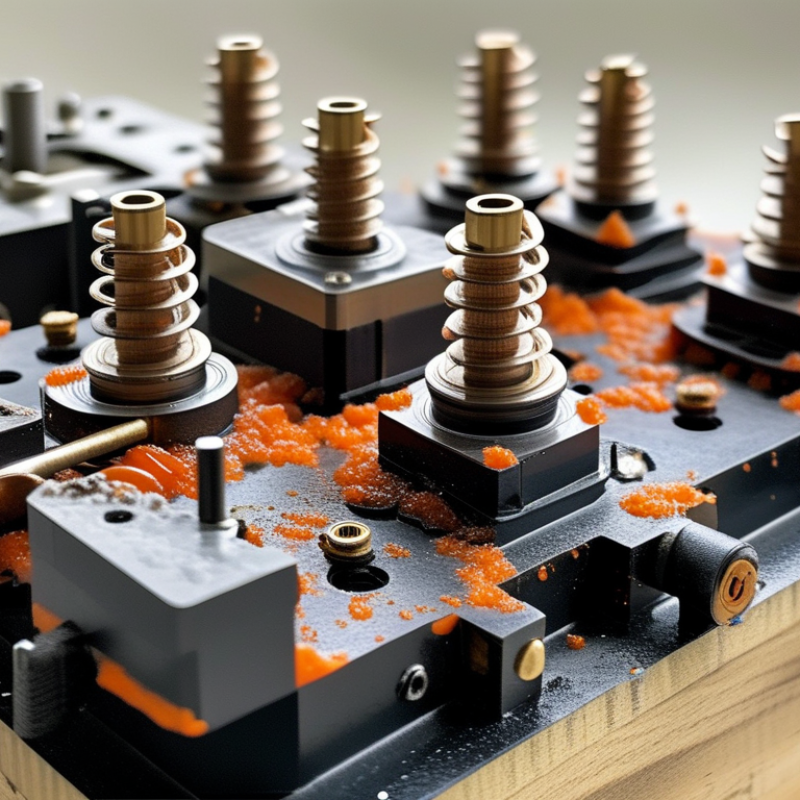
What Are Extrusion Machine Parts?

Definition and Role of Extrusion Machine Parts

What Are Extrusion Machine Parts?

Definition and Role of Extrusion Machine Parts

Extrusion machine parts are the working components that shape, move, heat, and control raw material during production. Common parts include the hopper, screw, barrel, heater bands, die, screen pack, and cooling system. Each part supports a specific stage of the process. The screw carries material forward while mixing and compressing it. The barrel provides a controlled chamber for melting. The die gives the softened material its final profile. Small wear marks can affect product size, surface quality, and output stability. In practice, this definition is not always tidy. Parts interact, so one weak component may create several symptoms.

Tips: Inspect screw flights, die openings, and heater connections regularly. Look for uneven surfaces, loose fittings, or unusual temperature changes. Clean material paths carefully, because residue can harden near corners. Record pressure and temperature readings during normal production. These records make future faults easier to compare.

Reliable operation depends on correct part selection, accurate alignment, and suitable maintenance intervals. A worn screw may reduce conveying efficiency and increase energy use. A damaged die can produce uneven edges or changing dimensions. Temperature sensors also deserve attention; a false reading may cause overheating or poor melting. Technicians should follow equipment specifications and verify measurements with calibrated tools. Sometimes, replacement seems easier than repair, but that choice deserves review. A minor adjustment may solve the fault, while an incorrect replacement can create new pressure problems. Personnel should assess material type, operating speed, and production demands before changing components.

What Are Extrusion Machine Parts? – Definition and Role

Typical screw length-to-diameter (L/D) ratios used for different extrusion tasks. The screw is a key extrusion machine part that conveys, melts, mixes, and pressurizes polymer material.

A higher L/D ratio generally provides more residence time for melting and mixing, while shorter screws are commonly used for simpler conveying and profile-forming applications. Actual designs vary according to polymer type, output rate, screw geometry, and product requirements.

Core Components and Their Functions

What Are Extrusion Machine Parts?

Core Components and Their Functions

An extrusion machine turns solid material into a continuous profile, sheet, or tube. Its performance depends on several parts working together. The feeder controls material flow into the barrel, while the screw conveys, melts, and mixes it. Screw design matters because pitch, length, and compression affect temperature and output. A worn screw may create uneven melting or visible surface defects.

The barrel surrounds the screw and contains the heating and cooling zones. Electric heaters raise the material temperature, while cooling channels prevent overheating. Thermocouples measure heat near each zone. These sensors need regular checking because a small reading error can change product dimensions.

The drive motor and gearbox rotate the screw with controlled torque. I have seen unstable torque reveal feeding problems before operators noticed the final defect.

At the front, the screen changer filters contamination from the melt. The die then shapes the material into its required form. Downstream rollers, water tanks, or air systems cool and size the product. Pullers maintain speed, and cutters create consistent lengths. A pressure sensor near the die can expose blockages early.

Maintenance records should include screw wear, heater response, sensor accuracy, and die cleaning intervals.

Some inspections still rely too heavily on visual judgment. That approach is convenient, but not always reliable. Small cracks or gradual wear can remain hidden until production quality declines.

Material Flow Through the Extrusion System

What Are Extrusion Machine Parts?

Material Flow Through the Extrusion System

An extrusion machine moves solid material through several controlled stages. Pellets enter through the feed hopper and pass into the feed throat. The rotating screw then carries them along the heated barrel. At first, the material remains mostly solid. Pressure gradually increases as the screw channels become shallower. Friction and barrel heaters soften the material. Small temperature changes can affect the final product.

The screw is not only a transport part. Its flights mix, compress, and stabilize the melt. The barrel supports this movement and helps maintain consistent heat. A screen pack can remove unwanted particles before the melt reaches the die. The breaker plate also improves pressure distribution. Finally, the die shapes the flowing material into a tube, sheet, profile, or filament. Cooling begins immediately after discharge, often through air, water, or calibrated rollers. The timing is easy to underestimate.

Tips: Check the feed throat for bridging, especially with damp or irregular pellets. Monitor melt pressure and temperature together, not separately. A stable reading does not always mean stable flow. Inspect the die opening regularly, because a small buildup can distort dimensions. Operators should record changes in screw speed, heater settings, and cooling conditions. These notes often reveal patterns that instruments miss. One practical lesson is simple: material flow depends on the entire system, not one machine part.

What Are Extrusion Machine Parts? - Material Flow Through the Extrusion System
Flow Stage Main Part Material Flow Role Key Components Typical Operating Data Control or Maintenance Focus
1. Material Preparation Dryer, Hopper, and Loader Pellets enter the feed system Storage hopper, vacuum loader, drying hopper, level sensor, and material filter Moisture-sensitive engineering polymers may require drying temperatures of approximately 80–120 °C, depending on the resin specification. Keep the hopper clean, prevent material bridging, and verify the resin moisture level before processing.
2. Metered Feeding Feed Throat and Feeding Zone Pellets move from the hopper to the screw Feed throat, cooling jacket, feed opening, and screw-flight entry section Water cooling is commonly used at the feed throat to reduce premature softening and improve solids transport. Check for blockages, inconsistent feeding, excessive throat temperature, and pellet buildup.
3. Solids Conveying Screw Feed Section Solid pellets are conveyed forward Screw flights, core shaft, barrel liner, and feed-section channel The screw rotation rate is commonly adjusted in revolutions per minute to balance output, residence time, and shear. Inspect screw flights and the barrel for wear, especially when processing glass-filled or mineral-filled compounds.
4. Melting and Plasticization Compression Zone of the Screw Compacted pellets become a molten polymer Increasing screw-channel compression, heated barrel sections, thermocouples, and electric heaters Polymer melt temperatures vary by resin; many common thermoplastics are processed roughly between 160 and 300 °C. Use a stable temperature profile and avoid overheating, degradation, or incomplete melting.
5. Melt Homogenization Metering Section The melt becomes more uniform in temperature and composition Constant-depth screw flights, pressure measurement point, and final metering channel A steady melt pressure and stable motor load generally indicate consistent conveying and melting conditions. Monitor melt pressure fluctuations, color variation, unmelted particles, and residence-time-related degradation.
6. Filtration and Pressure Stabilization Breaker Plate and Screen Pack The melt is filtered and redirected Screen pack, breaker plate, screen changer, pressure sensors, and support ring The breaker plate creates back pressure and changes the flow from rotating movement to a more uniform axial flow. Replace or change screens when pressure rises excessively or output becomes unstable.
7. Melt Distribution Adapter and Feedblock The melt travels from the barrel to the die Heated adapter, flow channel, pressure transducer, and optional multilayer feedblock The adapter is normally heated to maintain the polymer above its solidification or processing range. Eliminate dead spots, check heater performance, and ensure seals are suitable for the melt temperature and pressure.
8. Profile Formation Extrusion Die The molten polymer takes the required cross-sectional shape Die body, manifold, die lips, land length, bolts, and adjustment hardware Die geometry controls dimensions, flow balance, wall thickness, and the amount of die swell after exit. Keep die lips clean and properly aligned; uneven temperature or contamination can cause thickness variation.
9. Product Calibration Sizing Die or Vacuum Calibration Tank The hot extrudate is stabilized to its final dimensions Calibration sleeve, vacuum chamber, water spray, cooling tank, guides, and vacuum pump Cooling water is commonly maintained near ambient temperature, although the exact setting depends on product size and polymer type. Maintain uniform vacuum, water flow, and alignment to control diameter, wall thickness, and surface quality.
10. Cooling and Take-Off Cooling Tank and Haul-Off Unit The product solidifies and is pulled at a controlled speed Cooling tank, rollers, caterpillar belts or nip rolls, drive motor, and speed controller Haul-off speed directly affects product dimensions, line output, and longitudinal stretching. Synchronize screw speed, cooling capacity, and haul-off speed to prevent ovality, sagging, or unstable dimensions.
11. Final Sizing or Cutting Cutter, Saw, or Winder The finished product is cut or collected Flying saw, knife cutter, measuring wheel, puller, winder, tension controller, and length sensor Cutting length, winding tension, and line speed are selected according to the product form and required tolerances. Inspect blade condition, cutting accuracy, winding tension, and synchronization with the haul-off system.
12. Process Monitoring Control System and Sensors Operating conditions are measured and adjusted Temperature controllers, pressure sensors, torque monitoring, motor drives, alarms, and human-machine interface Common monitored variables include barrel temperature, melt pressure, screw speed, motor load, output rate, and haul-off speed. Calibrate sensors regularly and record process trends to identify wear, blockage, overheating, or feed inconsistency.

Common Part Materials and Design Features

What Are Extrusion Machine Parts?

Common Part Materials and Design Features

An extrusion machine relies on several parts working under heat, pressure, and constant friction. The screw moves and melts material inside the barrel. The die shapes the melt into film, pipe, sheet, or profiles. Heaters, thermocouples, cooling channels, and pressure sensors control the process around these core parts.

Screw elements commonly use hardened alloy steel, often nitrided for surface hardness. Barrels may use bimetallic liners when abrasive fillers or recycled compounds are processed. Dies usually require polished tool steel, because small scratches can mark the product. According to OECD’s Global Plastics Outlook, global plastic waste reached 353 million tonnes in 2019, while only 9% was recycled. That figure matters. Recycled feedstock can contain moisture, minerals, or inconsistent particles, increasing wear and pressure fluctuations.

Good design includes modular screw sections, replaceable barrel liners, balanced heating zones, and smooth melt channels. These features make maintenance more practical and reduce dead spots where material can degrade. PlasticsEurope reported global plastics production of about 414 million tonnes in 2023. Such volume demands durable parts, but durability alone can mislead. A harder alloy is not automatically better if it transfers heat poorly or becomes difficult to repair. Design reviews should examine torque, temperature uniformity, corrosion, cleaning time, and actual material variation. Small sensors matter too. A poorly placed probe can show a stable reading while the melt remains uneven.

Maintenance, Wear, and Part Replacement

What Are Extrusion Machine Parts? Maintenance, Wear, and Part Replacement

Extrusion machine parts work under constant heat, pressure, and friction. Common parts include screws, barrels, heaters, thermocouples, screens, dies, seals, and drive components. Each part affects material flow and product consistency. During routine inspections, technicians should check screw flights for thinning and barrel surfaces for scoring. A rough barrel can increase residence time and damage sensitive materials. Small changes often appear before a serious failure.

Maintenance should follow operating hours, material type, and production conditions. Clean heater bands carefully, then verify their temperature readings with a calibrated instrument. Inspect screens for blockage and check seals for leakage around feed zones. Listen for unusual vibration near the gearbox. A simple noise log can reveal gradual damage. In my experience, replacement decisions are not always obvious. A worn screw may still produce acceptable output, but energy use can rise quietly. Waiting for a visible defect may cost more than planned replacement.

Tips: Keep spare screens, seals, and temperature sensors in a dry, labeled cabinet. Measure critical part dimensions before installation. Record torque settings and alignment checks. Never install a replacement part without checking its material compatibility. Maintenance records should include operating hours, observed wear, and the reason for replacement. A short inspection after startup can catch loose fittings or unstable temperatures. Mistakes happen, especially during rushed changeovers. Reviewing them honestly improves the next maintenance cycle.

We Meet Our Clients Needs.

Meeting the diverse needs of our clients, we have complete machining facilities for everything from single part prototypes to large quantity production. Our small size is one of our biggest assets. It allows us to control costs and maintain the highest of standards.

Quality orientated  and delivery always on time or earlier than originally promised.

Strongly recommend MSD.