
Why Choose Deep Cycle Lithium Battery for Your Power Needs?
In today's world, energy storage solutions are more important than ever. When it comes to powering various applications, the Deep Cycle Lithium Battery stands out as a top choice. These batteries offer remarkable performance, making them suitable for everything from recreational vehicles to renewable energy systems. Their ability to deliver sustained power makes them ideal for deep cycling, unlike traditional lead-acid batteries.
Deep Cycle Lithium Batteries are lightweight and compact, which enhances their portability. This feature can significantly benefit users seeking efficient energy storage without added bulk. Moreover, they boast a longer lifespan, often lasting several years longer than conventional options. This longevity promotes sustainability, reducing the need for frequent replacements.
However, it is essential to weigh the cost against the benefits. While the initial investment may be higher, the long-term savings due to efficiency and durability can be substantial. Understanding these dynamics is crucial. Users must reflect on their needs and usage patterns before making a decision. The choice of a Deep Cycle Lithium Battery could redefine your approach to power management.
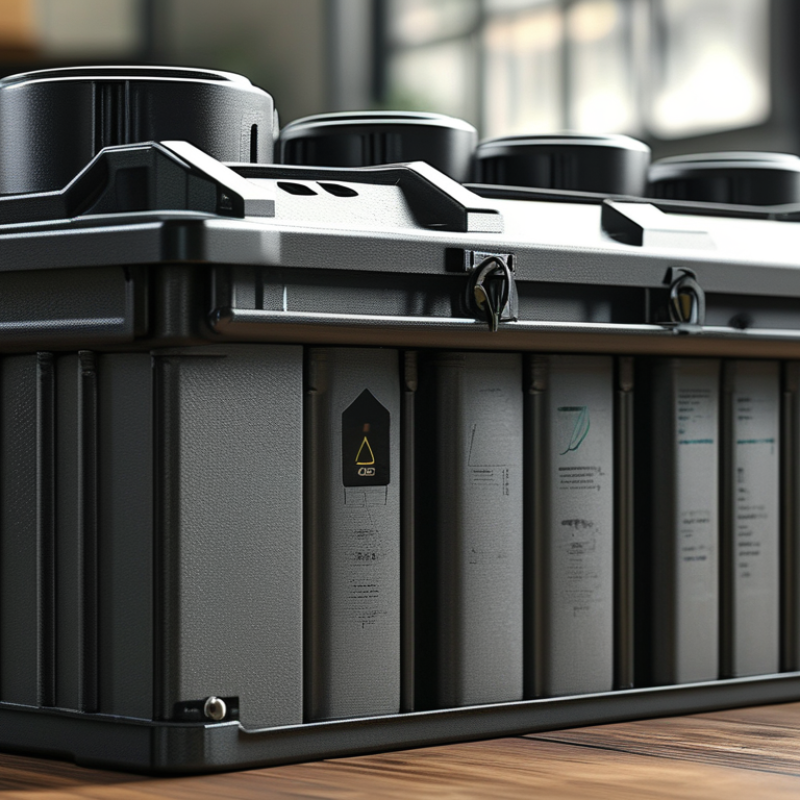
Benefits of Deep Cycle Lithium Batteries for Energy Storage
Deep cycle lithium batteries are becoming increasingly popular for energy storage needs. They offer a range of benefits that can significantly enhance power management. According to a report by the International Renewable Energy Agency (IRENA), lithium batteries can provide up to 2,000 cycles, depending on their design and usage. This longevity reduces replacement costs and waste.
Another advantage is their energy density. A study from the National Renewable Energy Laboratory (NREL) highlights that lithium batteries can store more energy in less space compared to traditional lead-acid batteries. This makes them ideal for applications with limited space, such as electric vehicles and compact solar setups.
However, while lithium batteries have many benefits, they are not entirely without issues. The initial cost can be higher than lead-acid alternatives. Users may find it challenging to weigh the upfront investment against long-term savings. Additionally, temperature sensitivity can affect performance. As temperatures rise or fall, battery efficiency may decline. This highlights the need for proper thermal management in battery systems. By understanding these factors, users can make informed decisions about their energy storage needs.
Benefits of Deep Cycle Lithium Batteries for Energy Storage
This chart illustrates key benefits of Deep Cycle Lithium Batteries for energy storage, highlighting parameters such as energy density, cycle life, charge time, depth of discharge, and self-discharge rate.
Understanding Deep Cycle vs. Regular Batteries: Key Differences
Deep cycle and regular batteries serve different purposes. Understanding their differences is crucial for making the right choice. Regular batteries are designed for short, high bursts of energy. They work well in vehicles but discharge quickly. In contrast, deep cycle batteries are built for prolonged energy use. They provide steady energy over extended periods.
According to industry reports, deep cycle lithium batteries can last up to 10 times longer than traditional lead-acid batteries. They can withstand hundreds of charge cycles without losing capacity. This longevity is vital for applications like solar energy storage and electric vehicles.
Tips: If you're transitioning to deep cycle batteries, be mindful of your energy needs. Assess the required capacity carefully. Regularly monitor the battery performance to ensure efficiency. The initial cost may seem high, but the long-term savings can be significant. Consider exploring options that offer warranties or performance guarantees. This can provide additional peace of mind.
Applications of Deep Cycle Lithium Batteries in Various Industries
Deep cycle lithium batteries are gaining traction across various industries due to their superior performance and reliability. In renewable energy sectors, these batteries are essential for solar power systems. According to a report by Grand View Research, the global solar battery market is projected to reach $23 billion by 2027. This growth is driven by the efficiency of lithium batteries, which have a lifespan of over 3000 charge cycles compared to just 1000 cycles for lead-acid batteries. Such longevity ensures lower replacement costs and minimal downtime for solar installations.
In the marine industry, deep cycle lithium batteries provide a vital source of power. They support electric propulsion systems and onboard electronics for boats and yachts. A study from the National Marine Manufacturers Association highlights that nearly 30% of new boats sold are equipped with electric motors, a trend that demands reliable battery solutions. These lithium batteries can operate safely in varying temperatures and conditions, which is crucial for marine applications. However, the initial investment in lithium technology can be higher, leading to skepticism among traditional boat owners.
The automotive sector is also seeing a shift towards lithium batteries, especially in hybrid and electric vehicles (EVs). A recent report estimates that sales of EVs will exceed 30 million units annually by 2030. This trend indicates that deep cycle lithium batteries will play a significant role in achieving energy efficiency and reducing carbon emissions. However, recycling and proper disposal of these batteries remain challenges that need addressing. The industry must balance innovation with sustainable practices to ensure long-term viability.
Why Choose Deep Cycle Lithium Battery for Your Power Needs? - Applications of Deep Cycle Lithium Batteries in Various Industries
| Industry | Application | Battery Capacity (Ah) | Typical Voltage (V) | Cycle Life |
|---|---|---|---|---|
| Renewable Energy | Solar Energy Storage | 100 | 12 | 2000+ |
| Marine | Boat Power Systems | 200 | 12 | 3000+ |
| Automobile | Electric Vehicles | 50-100 | 48 | 3000+ |
| Telecommunications | Backup Power Systems | 150 | 12 | 2500+ |
| Recreational | Campers and RVs | 100 | 12 | 2000+ |
Cost-Effectiveness of Deep Cycle Lithium Batteries Over Time
Deep cycle lithium batteries are gaining traction for power needs because of their cost-effectiveness over time. Unlike traditional batteries, these lithium options can be charged and discharged repeatedly with minimal degradation. This longevity translates to fewer replacements and overall savings. A well-maintained deep cycle lithium battery may last nearly ten years, outpacing conventional lead-acid counterparts.
Tips for getting the most out of your lithium battery include avoiding extreme temperatures. Heat can accelerate wear and reduce lifespan. Additionally, always use compatible chargers to maintain optimal performance. Regular monitoring of battery health can also prevent unexpected failures.
Though initial costs for deep cycle lithium batteries can be higher, consider the savings on replacements. Maintenance costs are lower, and energy efficiency is higher. However, recognize the importance of matching battery capacity with your energy needs. Overestimating requirements can lead to wasted investment, so take time to calculate accurately.
Environmental Impact and Sustainability of Lithium Battery Technology
The environmental impact of lithium battery technology is significant. Lithium batteries are increasingly seen as a sustainable choice for power needs. According to a report by the International Energy Agency, they reduce greenhouse gas emissions significantly compared to traditional lead-acid batteries. These lithium batteries have a lower carbon footprint, making them a preferable choice for energy storage.
The lifecycle of lithium batteries also presents challenges. Mining for lithium often raises concerns regarding water usage and ecological disruption. A study published in the journal Nature Sustainability highlights the necessity for recycling programs to minimize the environmental footprint. Currently, only about 5% of lithium batteries are recycled. Improving recycling infrastructure is vital to ensure sustainability.
Energy density is another factor that impacts environmental sustainability. Lithium batteries store more energy per kilogram than traditional options. This efficiency means fewer resources are needed overall. However, the reliance on finite resources and the need for stringent regulations remain real concerns. Continuous innovation in materials and processes will be essential to fully realize the sustainable potential of lithium battery technology.
We Meet Our Clients Needs.
Meeting the diverse needs of our clients, we have complete machining facilities for everything from single part prototypes to large quantity production. Our small size is one of our biggest assets. It allows us to control costs and maintain the highest of standards.
Quality orientated and delivery always on time or earlier than originally promised.
Strongly recommend MSD.