2026 How to Optimize CNC Machining Technology for Enhanced Efficiency?

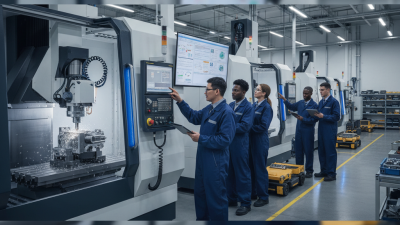
As the manufacturing landscape evolves, optimizing CNC machining technology has become crucial for improved efficiency. CNC machining technology, known for its precision and adaptability, plays a significant role in industries from aerospace to automotive. However, many businesses still struggle to maximize its potential. Factors such as outdated machinery and insufficient staff training can hinder progress.

Investing in advanced CNC systems is essential. Robust software integration can streamline operations and reduce costs. Yet, the human element remains critical. Operators need training to handle new technology effectively. Otherwise, the full benefits of CNC machinery may not be realized.

Reflecting on these challenges is vital. Continuous improvement is necessary for competitiveness. Companies must regularly assess their processes and techniques. By embracing change and seeking innovation, businesses can enhance CNC machining technology and achieve greater efficiency. The journey toward optimization may not be perfect, but the gains are worth pursuing.
2026 How to Optimize CNC Machining Technology for Enhanced Efficiency?

Current Trends in CNC Machining Technologies for 2026

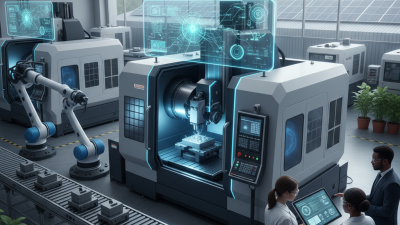
CNC machining has seen remarkable advancements as we approach 2026. Automation is a significant trend shaping this technology. Machines are integrating artificial intelligence to learn from operations. This allows them to adjust processes in real time, enhancing productivity. Minimizing human intervention helps reduce errors, but operators must remain attentive to machine behavior. Balancing automation with human expertise remains crucial for optimal outputs.

Another trend is the rise of additive manufacturing in conjunction with CNC methods. This hybrid approach enables the creation of complex parts that meet precise specifications. It opens doors to new designs that traditional machining can't achieve. Nevertheless, engineers must invest time in understanding the compatibility of materials and the machining processes involved. It requires ongoing evaluation, as not all methods yield positive results.

Sustainability is also a growing focus in CNC machining. The industry is aiming to reduce waste through better resource management. This trend promotes using recyclable materials and energy-efficient machines. However, achieving sustainability can be challenging; it requires a shift in mindset and practices. Frequent assessments of material choices and machine performances are essential for long-term success. Adaptability in adopting these changes will define the industry's leaders in 2026.

Current Trends in CNC Machining Technologies for 2026

Key Strategies to Optimize CNC Machining Workflows

CNC machining is evolving with advanced strategies for efficiency. Implementing lean manufacturing principles can reduce waste by up to 30%. This approach emphasizes streamlining workflows, thus promoting faster processing times. Consider optimizing tool paths. By minimizing movement during machining, operators can cut cycle times significantly, enhancing productivity.

Data shows that machine setup time can eat up to 25% of production time. By adopting quick changeover techniques, shops can decrease idle time. Another effective strategy is predictive maintenance. Regularly monitoring equipment can prevent breakdowns, maintaining high efficiency levels. Studies indicate that consistent maintenance can improve machine lifespan by up to 20%.

Training staff is essential. Skilled operators produce better outcomes. However, many organizations neglect continual training. This oversight can lead to suboptimal performance. Investing in employee development can bridge this gap, ensuring that teams are equipped with the latest skills. Consider the integration of real-time monitoring systems. It allows teams to make immediate adjustments, fostering a proactive work environment.

Integrating Automation and AI in CNC Machining Processes

Integrating automation and AI in CNC machining processes has revolutionized the industry. Automation enhances precision and reduces human error. Machines equipped with sensors collect data continuously. This real-time information allows for immediate adjustments. Operators can monitor performance from afar, making setups more efficient.

AI plays a crucial role in predictive maintenance. By analyzing trends, AI can flag potential issues before they arise. This anticipation minimizes downtime, keeping production flowing. Furthermore, AI algorithms optimize tool paths. They analyze vast amounts of data to find the most efficient routes. This results in material savings and reduced cycle times.

However, challenges remain. Implementing these technologies requires initial investment and training. Not all operators may adapt quickly to new systems. Resistance to change can affect team dynamics. Continuous learning and adjustment are vital. As new advancements emerge, companies must remain flexible and willing to evolve. The journey towards enhanced efficiency is ongoing.

Material Selection and Its Impact on CNC Efficiency

Material selection plays a crucial role in CNC machining efficiency. Different materials respond differently to cutting tools and techniques. For instance, harder materials may require more robust tooling, leading to increased wear rates. This can slow down production and increase costs. Choosing the right material can enhance cutting speeds and extend tool life.


When selecting materials, consider not just the mechanical properties but also the machinability. Some metals and composites are easier to machine. They require less force, which translates to lower energy consumption. Conversely, very hard materials might provide durability but demand more intricate setups. This complexity can negate efficiency gains. Thus, balancing performance and cost is vital in material choices.


Moreover, reflecting on past projects helps refine material selection. Analyzing failures or inefficiencies can uncover patterns. For instance, using low-quality materials might seem cost-effective initially. But this can lead to higher long-term costs due to machine downtime and tool replacements. Continuous evaluation of material impact is essential for operational success.

Measuring and Analyzing CNC Machining Performance Metrics

Optimizing CNC machining performance requires accurate measurement and analysis of key metrics. Tracking these metrics leads to improved efficiency and cost reductions. Start with cycle time, which is the total time to complete one machining operation. Analyze these times regularly to identify patterns or delays. Reducing cycle time enhances productivity but needs careful balancing with quality production.

Tool wear is another critical metric. This impacts precision and can lead to costly errors. Monitoring tool usage helps maintain quality standards. Consider using sensors to track wear in real-time. This proactive approach prevents unplanned downtime. Awareness of these factors aids in planning maintenance schedules effectively.

Tips: Regularly review throughput rates to gauge production efficiency. Implement visual management systems to make performance metrics more accessible. Also, cultivate a culture of continuous improvement. Reflect on daily operations. Identify processes that could be refined. Small tweaks can lead to significant benefits over time.

2026 How to Optimize CNC Machining Technology for Enhanced Efficiency? - Measuring and Analyzing CNC Machining Performance Metrics

Metric Current Value Target Value Improvement (%)
Cycle Time (minutes) 15 12 20
Tool Wear (mm) 0.5 0.3 40
First Pass Yield (%) 90 95 5.56
Machine Utilization (%) 75 85 13.33
Production Rate (units/hour) 50 60 20

We Meet Our Clients Needs.

Meeting the diverse needs of our clients, we have complete machining facilities for everything from single part prototypes to large quantity production. Our small size is one of our biggest assets. It allows us to control costs and maintain the highest of standards.

Quality orientated  and delivery always on time or earlier than originally promised.

Strongly recommend MSD.