Top Robotic Machines for Global Buyers How to Choose?
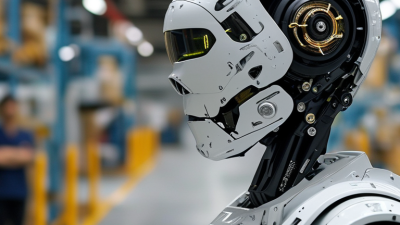
In today’s dynamic market, the demand for robotic machines is rapidly increasing. Global buyers seek efficiency and innovation. Choosing the right robotic machine is essential for enhancing productivity. It requires understanding various factors, including application, cost, and support.
Every robotic machine has unique features. Some specialize in manufacturing, while others excel in service industries. Buyers must assess their specific needs. Consideration of the machine's versatility and reliability is also critical. A wise choice can lead to significant returns on investment.
However, with so many options available, decision-making can become overwhelming. It's essential to rely on expert recommendations and user reviews. These insights can help navigate the complexities of robotic technology. Choosing wisely is not just about technology; it's about strategic investment in future growth.
Understanding the Different Types of Robotic Machines Available
When exploring the world of robotic machines, understanding the different types available is crucial for global buyers. The market has grown significantly, with the International Federation of Robotics reporting a robust demand for industrial robots, projected to reach over 3 million units by 2025. This growth indicates that various machines are tailored for unique applications, such as assembly, welding, and packaging.
Among the main categories are collaborative robots, known as cobots, and traditional industrial robots. Cobots are designed to work alongside human operators, enhancing safety and efficiency. On the other hand, traditional robots often perform repetitive tasks in high-speed environments. Data from MarketsandMarkets suggests that the cobot market could reach $12 billion by 2025, showcasing their increasing relevance and utility.
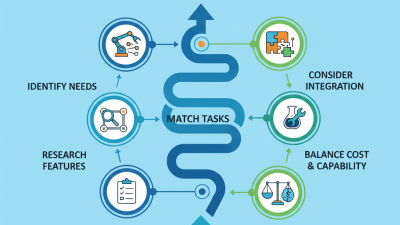
Tip: When choosing a robotic machine, consider the specific needs of your operation. Evaluate factors such as payload capacity, reach, and programmability. A mismatch can lead to inefficiencies.
Another critical aspect involves assessing compatibility with existing systems. Integration can be challenging, leading to potential downtime. According to a report by
McKinsey, about
30% of automation projects experience delays due to integration hurdles. Understanding these challenges upfront can aid in making a more informed decision.
Key Factors to Consider When Choosing Robotic Machines
When choosing robotic machines, it's crucial to evaluate several key factors. First, consider the specific application for the machine. Industry data indicates that about 30% of companies report failures in automation due to a mismatch between the robot and its tasks. Understanding your operational needs helps narrow down suitable options.
Next, assess the machine's versatility and adaptability. According to the International Federation of Robotics, over 75% of deployed robots are utilized in multiple tasks. This flexibility can increase return on investment by reducing the need for multiple machines. Also, think about ease of integration. Robots that smoothly fit into existing processes minimize downtime and training costs.
Another important aspect is support and service. A report from the Robotics Industry Association shows that 20% of robotic implementations face challenges due to inadequate support. Reliable customer service can save time and resources. Lastly, don't overlook the importance of safety features. The rising number of workplace injuries related to robotics underscores the need for robust safety protocols. Selecting a machine with advanced safety mechanisms should be a priority.
Evaluating Quality and Reliability in Robotic Technology
When considering robotic machines for global markets, evaluating quality and reliability is crucial. Buyers should prioritize manufacturers who adhere to strict quality control measures. Look for certifications and compliance with international standards. These indicators often signal a commitment to quality and craftsmanship.
Reliability in robotic technology can sometimes be elusive. While many suppliers make bold claims, real-world performance can vary widely. Historical performance data from existing users can provide valuable insights. Engaging with current owners may reveal hidden issues or strengths. Buyers should request case studies or references to ensure the technology works as promised.
Another factor to consider is the availability of support. A trustworthy brand often offers robust after-sales service. This includes timely repairs, software updates, and user training. However, not all companies prioritize customer service. Investigate support options carefully before making a purchase. A reliable partner can make all the difference in your robotics journey.
Cost Analysis: Budgeting for Robotic Machines
When considering robotic machines for various industries, cost analysis plays a critical role. Recent studies suggest that robotic systems can reduce operational costs by up to 30%. However, initial investments can be significant. An entry-level robot may cost around $25,000, while advanced systems exceed $100,000. Understanding these financial implications is vital for smart budgeting.
Maintenance is another aspect to consider. Dependable reports indicate that regular upkeep can account for 10-15% of the total cost annually. This figure highlights the importance of including maintenance provisions in your budget. Additionally, training employees to operate these machines adds further expense. Many businesses overlook this cost, which can lead to underutilization of robotic technology.
It's also essential to contemplate the potential return on investment (ROI). A well-researched estimate indicates that companies can achieve ROI within two to three years, depending on the application and scale. However, variability exists based on operational efficiency and market conditions. It's worth analyzing different scenarios, considering both best and worst cases. This reflective process could illuminate unforeseen challenges and opportunities.
Exploring Manufacturers and Suppliers for Global Buyers
In the global market, choosing the right robotic machines requires intensive research. Many manufacturers offer advanced solutions, but discerning quality amidst a vast array is challenging. According to industry reports, the global robotics market is projected to grow at an annual rate of over 26% from 2021 to 2028. This rapid expansion indicates that buyers must focus on reliable suppliers.
When exploring manufacturers, consider their experience and expertise. A supplier with a solid reputation in the robotics sector is often more trustworthy. Evaluate their product range and technology specifications. Look for detailed case studies and user testimonials to understand their operational impact. Reports from industry analysts highlight that companies leveraging high-quality robotic systems improve productivity by around 30%.
It’s crucial to assess after-sales support and service. Some manufacturers may promise high performance but fall short in customer service. Continuous support can be a game-changer for long-term investments in robotics. Evaluate warranties and maintenance packages carefully. Research shows that 50% of buyers experience difficulties with technology integration, revealing the need for effective technical support.
Top Robotic Machines for Global Buyers
| Machine Type |
Application |
Key Features |
Price Range (USD) |
Supplier Region |
| Industrial Robot Arm |
Manufacturing |
High precision, Programmable, Multi-axis |
15,000 - 75,000 |
Asia, Europe |
| Collaborative Robot (Cobot) |
Assembly, Packaging |
User-friendly, Safety features, Versatile |
10,000 - 50,000 |
North America, Europe |
| Automated Guided Vehicle (AGV) |
Logistics, Warehousing |
Navigation, Load capacity, Wireless control |
20,000 - 100,000 |
Asia, North America |
| Service Robot |
Healthcare, Hospitality |
AI-driven, Interactive, Mobility |
5,000 - 30,000 |
Global |
| Drones |
Aerial inspection, Delivery |
GPS, High-resolution camera, Remote control |
1,000 - 25,000 |
Global |