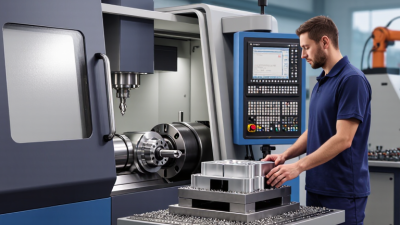
10 Best CNC Machining Technologies for Global Buyers
Choosing the right CNC machining technology is rarely a simple matter of comparing machine prices. Global buyers must examine tolerances, materials, production volume, lead times, automation, maintenance, and supplier communication. A shiny five-axis machine may look impressive, yet it can be the wrong choice for a simple aluminum bracket.
Professor Yusuf Altintas, a leading researcher in CNC machining, has emphasized, “A machine tool is a mechatronic system, not merely a cutting device.” That perspective matters. Cutting speed alone does not guarantee stable production. Tool wear, vibration, coolant control, programming quality, and operator experience can change the final result.
This guide examines ten important CNC machining technologies used by international manufacturers. It considers three-axis and five-axis milling, CNC turning, Swiss-type machining, mill-turn centers, wire EDM, sinker EDM, CNC grinding, laser-assisted machining, robotic machining, and hybrid production systems. Each option serves a different purpose.
The best technology depends on the part, not the marketing brochure.
For buyers, practical details matter. A medical component may require tight traceability and consistent surface quality. An aerospace fitting may demand complex toolpaths and inspection records. A high-volume automotive part may benefit more from automation than extreme flexibility.
No ranking can fit every factory. Some recommendations may appear too cautious. That is intentional. Supplier claims still require verification through drawings, sample parts, inspection reports, and production trials. This introduction focuses on realistic strengths, limitations, and purchasing questions, helping global buyers choose CNC machining technology with clearer expectations and fewer costly surprises.
CNC Machining Fundamentals for Global Buyers
10 Best CNC Machining Technologies for Global Buyers
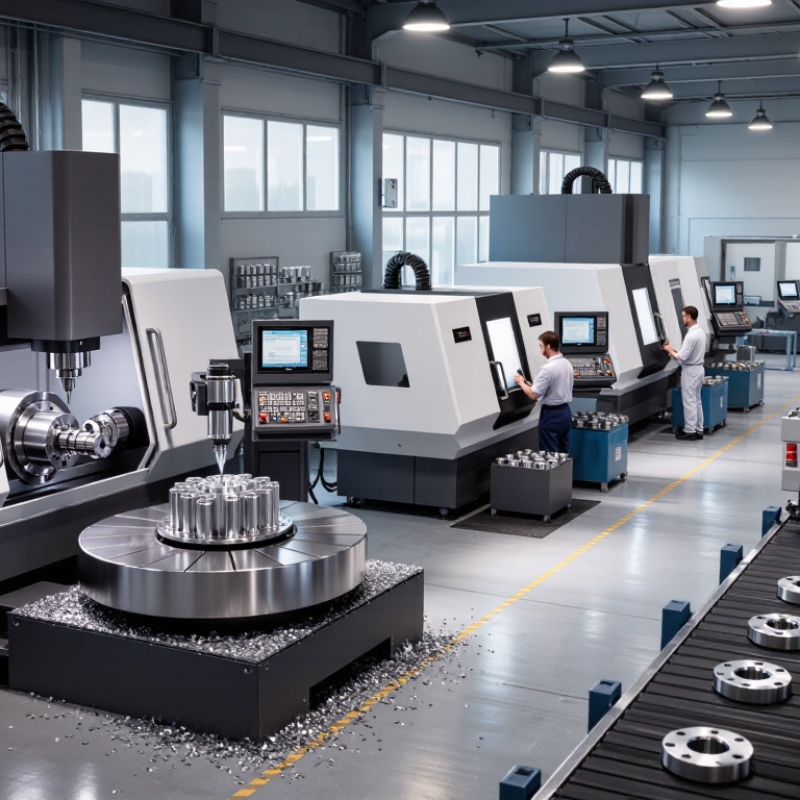
CNC machining fundamentals matter more than impressive machine specifications. A computer-controlled tool follows coded coordinates, removes material, and creates repeatable geometry. The process depends on the machine, cutting tools, workholding, material, and inspection method.
According to Grand View Research, the global CNC machine market was valued at approximately USD 83.99 billion in 2023. That growth reflects wider industrial adoption, but it does not guarantee suitable parts.
Start with the drawing
Define material grade, critical dimensions, tolerances, surface finish, and datum references. A tolerance of ±0.01 mm may require temperature control, refined tooling, and final inspection. A simple aluminum bracket can still fail if its mounting holes shift by 0.2 mm.
Request the machining strategy, fixture concept, and inspection report. ISO 9001 supports controlled processes, while ISO 230-1 provides guidance for testing machine tool accuracy. These standards improve confidence, but paperwork alone cannot replace physical verification.
Choose the right technology for the geometry
Three-axis milling suits many prismatic parts.
Five-axis machining reduces setups for angled surfaces.
Turning handles shafts, bores, and rotational profiles efficiently.
Swiss-type equipment supports small, slender components.
Wire EDM works well for hardened shapes and narrow slots.
Powder-bed processes may support complex prototypes, yet their surface finish often needs post-processing.
I have seen buyers focus on unit price and overlook setup cost, inspection time, and shipping protection. That choice can look efficient on a spreadsheet. It may not survive production.
Request sample parts when uncertainty remains. Small tests reveal large assumptions.
How to Compare the 10 Leading CNC Machining Technologies
Global buyers should compare CNC methods through tolerance, material, geometry, volume, and total cost. Grand View Research estimated the global CNC machine market at about USD 83.9 billion in 2023, showing strong industrial demand. However, market size does not prove that one process suits every part.
Three-axis milling remains practical for flat surfaces and controlled budgets. Four-axis milling adds rotational access. Five-axis milling reduces setups for complex aerospace-style shapes. Mill-turn centers combine turning and milling, while Swiss-type turning suits small, slender components. Wire EDM cuts hardened conductive metals with fine profiles. Sinker EDM creates deep cavities, but electrode preparation adds time. CNC laser cutting is fast for sheet metal and thin sections. Waterjet cutting limits heat distortion, although its edge finish may need secondary work. Ultrasonic machining can process brittle ceramics and glass, but tool wear deserves close attention.
Compare quoted accuracy with verified inspection results. ISO 230-2 provides a recognized method for positioning accuracy and repeatability tests. The International Federation of Robotics reported over 541,000 industrial robots installed globally in 2023, reflecting wider pressure for automation and stable production data. Ask suppliers for cycle-time records, scrap rates, probe strategy, and energy measurements. A five-axis machine may reduce fixtures, yet its programming cost can be higher. I would not rank technologies by machine price alone. That shortcut often fails. Evaluate one sample part, inspect the first article, and challenge every optimistic assumption before approving volume production.
Process Capabilities, Materials, and Applications
10 Best CNC Machining Technologies for Global Buyers
CNC milling suits aluminum housings, steel brackets, and complex mold inserts. Three-axis machines handle flat features and simple pockets efficiently. Five-axis machining reaches angled surfaces with fewer setups. This can improve alignment, though programming becomes more demanding. Tight tolerances often require controlled temperature, sharp tools, and careful inspection.
CNC turning produces round shafts, bushings, and threaded components. Mill-turn centers combine rotating and milling operations in one setup. Swiss-type machining supports small, slender parts with excellent repeatability. Wire EDM cuts hardened steel after heat treatment, while sinker EDM forms deep cavities and fine details. These processes remove little material mechanically, but they may increase lead time.
Laser cutting works well for thin sheet metal and fast prototypes. Waterjet cutting handles thicker plates without creating a heat-affected zone. Materials may include stainless steel, titanium, brass, engineering plastics, and carbon steel. Each material changes cutting speed, tool wear, surface finish, and cost. Material certificates and dimensional reports improve purchasing reliability across borders.
Application details should guide technology selection. An aerospace bracket may need five-axis milling and non-destructive inspection. A medical enclosure may require clean finishing and traceable material control. Electronics parts often demand burr-free edges and stable thin walls. A common mistake is choosing the tightest tolerance everywhere. That sounds safe, but it can raise costs without improving function. In practice, the first quotation is often too optimistic. Allow time for fixturing, inspection, and possible design adjustments.
Evaluating Precision, Cost, Capacity, and Supplier Factors
10 Best CNC Machining Technologies for Global Buyers
Evaluating Precision, Cost, Capacity, and Supplier Factors
Selecting CNC technology starts with part geometry, tolerance, volume, and material. Three-axis milling suits accessible prismatic parts and keeps programming costs moderate. Five-axis machining reduces setups, but its hourly rate can rise quickly. CNC turning handles round components efficiently. Swiss-style turning supports small, slender parts with stable chip control. Wire EDM creates fine profiles in hardened materials, though it may be slower for large batches. Sinker EDM reaches internal cavities that cutting tools cannot easily enter. CNC routing is economical for larger polymer, wood, and composite panels. Laser and waterjet cutting reduce preparation time for sheet components, but edge quality needs inspection. Grinding remains valuable when final dimensions and surface finish matter.
Cost is not just the machine rate. Include tooling, fixtures, inspection, scrap, packaging, and freight. A low quote may hide several manual setups. Ask for a process route, tolerance plan, and sample inspection report. For capacity, compare spindle hours, backup equipment, operator coverage, and realistic monthly output. A supplier claiming unlimited capacity deserves questions. Request evidence. Check material certificates, calibration records, first-article procedures, and corrective-action history. These details reveal reliability better than polished presentations.
Precision should serve function, not habit. A 0.01 mm tolerance may suit a bearing seat but waste money on a cover plate. I have seen projects over-specify dimensions and pay for unnecessary inspection. That mistake is easy to repeat. Supplier selection also depends on communication, engineering feedback, and change control. Send complete drawings, but invite practical questions. The strongest partner explains risks early, documents deviations, and protects repeatability across shipments. No process is perfect. Build verification into the purchase decision.
Choosing the Best CNC Technology for Your Project
Choosing the right CNC technology starts with the part, not the machine. A three-axis mill suits flat brackets, pockets, and simple aluminum housings. A five-axis machine handles angled surfaces and reduces repeated setups. CNC turning works well for shafts, bushings, and other round components. For tiny medical or instrument parts, Swiss-type machining can improve support and stability. Complex profiles may require EDM, while grinding can deliver tighter finishing results.
Material behavior matters. Aluminum cuts quickly, but thin walls can vibrate like a loose metal ruler. Stainless steel creates more heat and demands careful tool selection. Hardened steel may need EDM or grinding after heat treatment. Check the required tolerance, surface finish, batch size, and inspection method before requesting quotations. A tolerance of ±0.01 mm sounds precise, but it may be unnecessary for a protective cover.
Production volume also changes the best choice. Milling may be economical for ten prototypes, while mill-turn machining can reduce handling for repeated parts. Laser cutting or waterjet cutting may fit flat sheet components better than full CNC milling. However, the cheapest process is not always the most reliable. I have seen designs become expensive because engineers ignored tool access and clamping space. That mistake is easy to repeat. Share 3D files, critical dimensions, material certificates, and inspection expectations with the supplier. Then compare process capability, lead time, finishing control, and communication quality—not price alone.
Related Posts
-
What Is CNC Machining in Manufacturing?
-
China Top CNC Machining Technology Suppliers
-
Why Choose CNC Machining Technology for Global Sourcing?
-
What is CNC Machining Equipment and How Does It Work Explained
-
Why Is CNC Machining Precision Essential for Modern Manufacturing?
-
Top 10 Benefits of CNC Machining for Modern Manufacturing Techniques?
We Meet Our Clients Needs.
Meeting the diverse needs of our clients, we have complete machining facilities for everything from single part prototypes to large quantity production. Our small size is one of our biggest assets. It allows us to control costs and maintain the highest of standards.
Quality orientated and delivery always on time or earlier than originally promised.
Strongly recommend MSD.