Why Choose CNC Machining Technology for Global Sourcing?

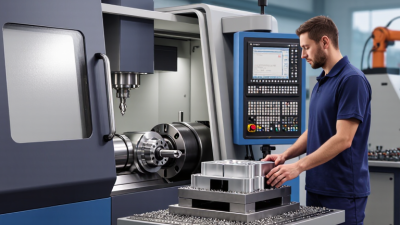
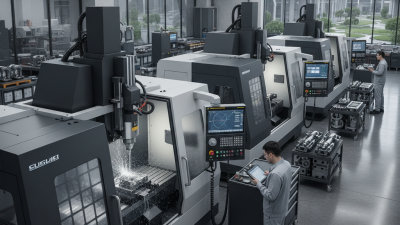
Global sourcing demands more than a low unit price. It requires predictable quality, clear communication, and dependable production capacity. CNC machining technology supports these goals by converting digital designs into accurately machined components. A supplier can produce aluminum housings, stainless steel shafts, or complex brackets with repeatable tolerances. The process also supports prototypes and larger production runs without changing the basic manufacturing method.

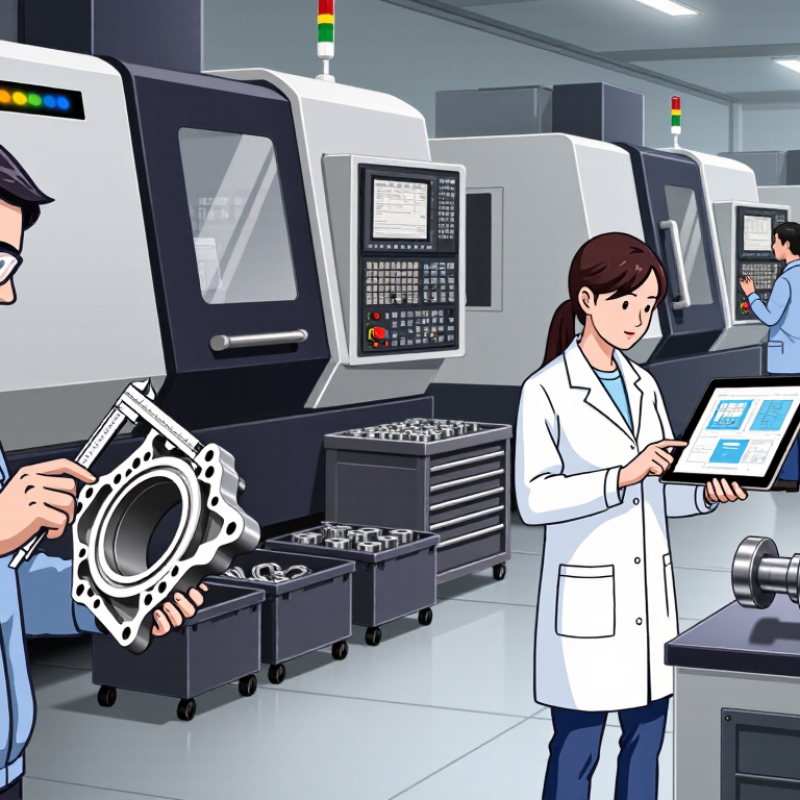
Experienced sourcing teams examine more than machine lists. They review inspection equipment, material certificates, process controls, and operator experience. A coordinate measuring machine can verify a critical hole location within a documented tolerance. Digital inspection reports create useful evidence for quality decisions. Supplier audits, sample approvals, and controlled drawings reduce misunderstandings across borders. These practices reflect professional judgment rather than optimistic sales promises.

CNC machining technology is not a perfect answer. Tooling choices, surface finishes, shipping delays, and unclear specifications can still increase costs. An attractive initial quotation may exclude deburring, inspection, packaging, or secondary treatment. That mistake is common. Buyers should compare complete landed costs and request realistic production samples. They should also confirm communication schedules, revision control, and corrective-action procedures before placing major orders. Reliable partners explain limitations openly and provide traceable records. With careful evaluation, global sourcing can gain flexibility, precision, and measurable value, although the process still requires patience and repeated review.
Why Choose CNC Machining Technology for Global Sourcing?

CNC Machining Technology: Definition and Core Operating Principles

CNC machining technology uses computer-controlled instructions to remove material from metal, plastic, or composite stock. A designer creates a 3D CAD model, then CAM software converts it into toolpaths and G-code. The machine follows these commands across three, four, or five axes. Cutting tools rotate, move, and shape the workpiece with repeatable accuracy. Sensors and operators still matter. A perfect program cannot correct poor fixturing or a worn tool.

The process supports global sourcing because suppliers can reproduce the same digital design across different facilities. According to Grand View Research, the global CNC machine market was valued at about USD 83.9 billion in 2023. The 2024 World Robotics report also recorded 4.28 million industrial robots in operation worldwide. These figures show rising investment in automated production. Yet precision is not automatic. Surface finish, thermal expansion, material hardness, and measurement routines can change the final result. I have seen small setup errors create costly batches. That weakness deserves attention.

Tips: Send native drawings, tolerances, material grades, and inspection requirements together. Ask for a first-article inspection report before full production. Keep critical dimensions realistic. Extremely tight tolerances can increase machining time and price without improving function. Confirm datum references, thread standards, and packaging conditions early. A short video of the setup may reveal problems that a drawing hides.

Key Advantages of CNC Machining in Global Sourcing

CNC machining offers global sourcing teams a practical balance of precision, flexibility, and production control. Digital CAD files can guide repeatable cutting across approved suppliers, reducing misunderstandings caused by language or measurement differences. Tight tolerances matter when a shaft must fit a bearing without force. Surface finishes also become easier to specify and inspect.

The process supports aluminum, steel, brass, engineering plastics, and other common materials. It handles prototypes, replacement parts, and medium-volume production without requiring costly hard tooling. In my experience, consistent inspection data is as important as cutting accuracy. Dimensional reports, material certificates, and sample approvals help buyers compare suppliers with greater confidence. Still, CNC machining is not automatically the cheapest choice. Complex geometries, excessive tolerances, or poor design files can increase costs quickly. That limitation deserves honest review.

Tips: Define critical dimensions clearly. Use one unit system. Request a first-article inspection before full production. Confirm machining capacity, quality procedures, packaging, and realistic lead times. Ask how rejected parts are handled. Small details prevent expensive surprises. Allow time for revisions, because the first design may not perform perfectly in production.

Material Selection and Precision Standards for International Production

Why Choose CNC Machining Technology for Global Sourcing?

Material selection controls more than appearance. It affects tool wear, heat distortion, weight, corrosion resistance, and delivery risk. For international production, engineers should match the material grade to the part’s working environment. Aluminum suits lightweight housings, while stainless steel supports demanding moisture conditions. Engineering plastics can reduce friction, but they may expand under heat.

A reliable process begins with clear drawings and measurable standards. Specify dimensional tolerances, surface roughness, thread requirements, and inspection methods before production starts. General tolerances may work for simple features, but functional interfaces need tighter control. Coordinate measuring machines can verify critical dimensions. Material certificates and batch records also improve traceability across borders. Small details matter. A tolerance that seems harmless on paper may create assembly problems after shipping.

Tips: Confirm the material standard, temper, and finish in writing. Use one measurement reference for every supplier. Request sample inspection before full production. Protect finished parts with suitable packaging, especially when sea transport is involved. CNC machining is precise, but it is not automatically perfect. Tool deflection, fixture pressure, and temperature can still influence results. I have seen well-designed parts fail because the inspection plan was vague. That weakness deserves review before quoting, not after delivery.

Why Choose CNC Machining Technology for Global Sourcing? - Material Selection and Precision Standards for International Production

Material Category Typical CNC Materials Key Engineering Properties Common Applications Typical Dimensional Tolerance* Relevant International Standards Global Sourcing Considerations
Aluminum Alloys 6061-T6, 7075-T6 Low density, good machinability, corrosion resistance; 7075-T6 offers higher strength than 6061-T6. Aerospace fixtures, housings, brackets, machine components About ±0.05 mm for well-controlled CNC features ISO 2768; ASTM B221; EN 573 Confirm temper, surface treatment, mill certificates, and protection against galvanic corrosion.
Stainless Steel 304, 316/316L, 17-4 PH High corrosion resistance; 316/316L performs well in chloride environments; 17-4 PH provides high strength after aging. Medical hardware, food-processing equipment, marine parts, industrial fittings About ±0.05–0.10 mm, depending on geometry and stock condition ISO 2768; ASTM A276; EN 10088 Specify grade, heat treatment, passivation requirements, and traceability documentation.
Carbon and Alloy Steel 1045, 4140, 4340 High strength, wear resistance, and load capacity; heat treatment can significantly change hardness and machinability. Shafts, gears, tooling, dies, structural machine parts About ±0.05–0.10 mm before specialized finishing ISO 2768; ASTM A29; EN 10083 Define hardness range, heat-treatment condition, surface finish, and distortion limits.
Titanium Alloys Ti-6Al-4V High strength-to-weight ratio, excellent corrosion resistance, and biocompatibility; difficult to machine due to low thermal conductivity. Aerospace components, medical implants, chemical-processing parts About ±0.05–0.10 mm with controlled tooling and process parameters ASTM B348; ISO 2768; ISO 13485 for applicable medical quality systems Verify material certification, contamination controls, tool-life management, and export documentation.
Engineering Plastics POM, PA, PEEK, PTFE Low weight, electrical insulation, chemical resistance, and low friction; moisture and thermal expansion can affect dimensions. Bushings, gears, insulators, fluid-handling parts, laboratory components About ±0.10–0.20 mm, depending on material and feature size ISO 2768; ISO 1874; ASTM D638 for tensile testing where applicable Control material moisture, grain or fiber orientation, shrinkage, and storage conditions.
Copper Alloys C110 copper, C360 brass Excellent electrical and thermal conductivity; brass generally offers easier machining than pure copper. Electrical terminals, heat-transfer parts, valves, connectors About ±0.05–0.10 mm for standard CNC features ASTM B16; ASTM B152; ISO 2768 Specify conductivity, lead content where regulated, plating, and handling requirements.
Precision Inspection CMM, optical measurement, gauges, calibrated hand tools Independent verification of size, location, form, profile, and surface-related requirements. First-article inspection, in-process control, final acceptance Measurement capability should be appropriate for the specified tolerance ISO 9001; ISO 14253-1; ISO/IEC 17025 for calibration laboratories Request inspection reports, calibration records, sampling plans, and agreed acceptance criteria.
Surface Finish As-machined, anodized, passivated, plated, powder-coated Affects friction, corrosion resistance, appearance, dimensional buildup, and fatigue performance. Visible enclosures, sliding components, corrosion-sensitive parts Typical machined roughness: approximately Ra 1.6–3.2 µm; finer values require additional processing ISO 21920; ISO 2768; ASTM B580 for anodic coatings Define roughness measurement method, coating thickness, masking areas, and post-treatment dimensions.

*Tolerance values are typical planning ranges rather than universal guarantees. Actual capability depends on part size, geometry, material condition, machine configuration, tooling, thermal stability, inspection method, and drawing requirements.

Supplier Evaluation, Quality Control, and Manufacturing Compliance

Why Choose CNC Machining Technology for Global Sourcing?

Supplier evaluation should begin with evidence, not polished presentations. A capable CNC supplier can explain machine capacity, tolerance control, inspection methods, and workforce experience. Request recent sample reports, process sheets, material certificates, and calibration records. Visit the production area when possible. Look for clean workstations, labeled materials, and traceable job travelers. Small details reveal daily discipline.

Quality control must follow the part through every stage. Confirm drawing revisions before programming begins. During production, operators should record tool changes, offsets, and inspection results. Critical dimensions may require a coordinate measuring machine, while simple features can use calibrated gauges. First-article inspection helps expose errors before volume production. It is practical, but not perfect.

A reliable supplier also treats nonconformities openly. Ask how rejected parts are isolated, investigated, and corrected. Corrective action should identify the process failure, not merely replace the part. Manufacturing compliance includes material traceability, controlled documentation, worker safety, and accurate shipping records. Requirements can differ by destination, so responsibilities should be written into the purchasing agreement. Do not assume compliance from a certificate alone. A document may be current while the actual process has changed. Periodic audits, sample reviews, and clear escalation contacts reduce that risk. Still, buyers sometimes focus too heavily on inspection reports and overlook communication delays. That weakness deserves attention.

Cost, Lead Time, and Logistics Considerations in Global CNC Sourcing

Why Choose CNC Machining Technology for Global Sourcing?

CNC machining supports repeatable production, tight tolerances, and flexible material choices. In practical sourcing projects, the lowest unit price rarely means the lowest total cost. Tooling, setup charges, inspection, packaging, freight, duties, and rework can change the final figure. A supplier quote should separate each cost clearly. This makes comparison more reliable. I have seen small design changes reduce machining time by several minutes per part. However, overly aggressive tolerances can increase inspection and rejection costs. Precision has a price.

Lead time depends on more than machine availability. Material purchasing, programming, fixture preparation, first-article inspection, and production capacity all matter. A realistic schedule includes approval time and possible rework. Air freight may shorten delivery, but it can damage the budget. Ocean freight costs less, yet it requires stronger planning and longer transit. Poor packaging can also create scratches, dents, or corrosion before parts reach the assembly line. This is where plans often fail.

Tips: Request a detailed quotation with Incoterms, inspection standards, and estimated shipping dates. Share complete drawings, material specifications, surface requirements, and revision status. Ask for sample photos and a dimensional report before full production. Keep a small schedule buffer. It feels inefficient, but rushed shipments usually cost more. Review landed cost, not only the machining price.

Typical planning benchmarks show that global CNC sourcing may reduce machining costs, but longer production queues, freight transit, customs clearance, and buffer-stock requirements can increase total lead time. Actual results vary by part complexity, batch size, Incoterms, transport mode, and supplier capacity.

Indicative industry planning ranges in calendar days; validate each project with supplier quotations and lane-specific logistics data.

We Meet Our Clients Needs.

Meeting the diverse needs of our clients, we have complete machining facilities for everything from single part prototypes to large quantity production. Our small size is one of our biggest assets. It allows us to control costs and maintain the highest of standards.

Quality orientated  and delivery always on time or earlier than originally promised.

Strongly recommend MSD.