What Is CNC Machining and Manufacturing Used For?

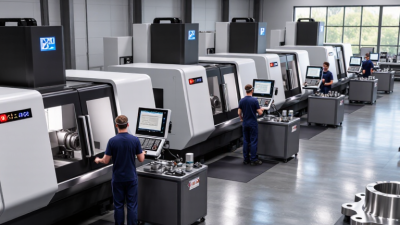
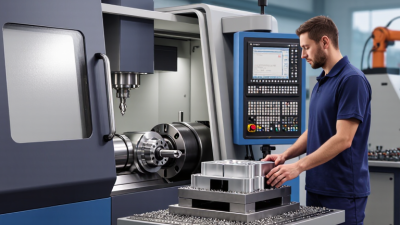
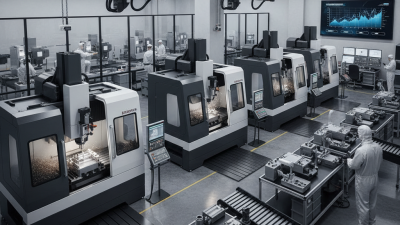
What is CNC machining and manufacturing used for? The answer reaches far beyond factory floors. These methods produce precise parts for aerospace, automotive, medical, electronics, energy, and industrial equipment. A CNC mill can cut aluminum housings, steel brackets, molds, and surgical components. A CNC lathe can turn shafts, bushings, threaded parts, and fittings. Each component begins as a digital design, then becomes a physical object through programmed cutting, drilling, turning, or grinding.

Mike Lynch, founder of CNC Concepts and a longtime CNC educator, describes the process simply: “CNC machining is the process of using computers to control machine tools.” That sentence captures the foundation, but not the whole reality. Skilled operators still select tools, check workholding, control cutting conditions, and inspect finished surfaces. The machine follows instructions. People remain responsible for judgment.

In cnc machining and manufacturing, accuracy can be measured in microns, yet practical success involves more than tight tolerances. A part may fit perfectly but fail because its material, surface finish, or production cost is unsuitable. Engineers often test prototypes before approving larger batches. They examine tool wear, vibration marks, chip formation, and dimensional reports. Small details matter.

The process is powerful. It is not flawless.

Programming errors happen. Heat can distort a component. Poor fixturing can ruin an otherwise excellent design. This is why reliable manufacturers combine digital planning with documented inspections and experienced review. The best applications depend on repeatability, traceability, and honest evaluation, not impressive machine speed alone.
What Is CNC Machining and Manufacturing Used For?

What CNC Machining Means and How It Works

CNC machining means computer numerical control machining. It uses digital instructions to guide cutting tools, drills, or lathes. A designer creates a three-dimensional model, then converts it into machine-readable toolpaths. These paths control movement, cutting speed, and tool changes. The machine removes material from metal, plastic, wood, or composite stock.

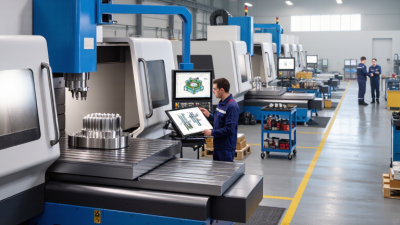
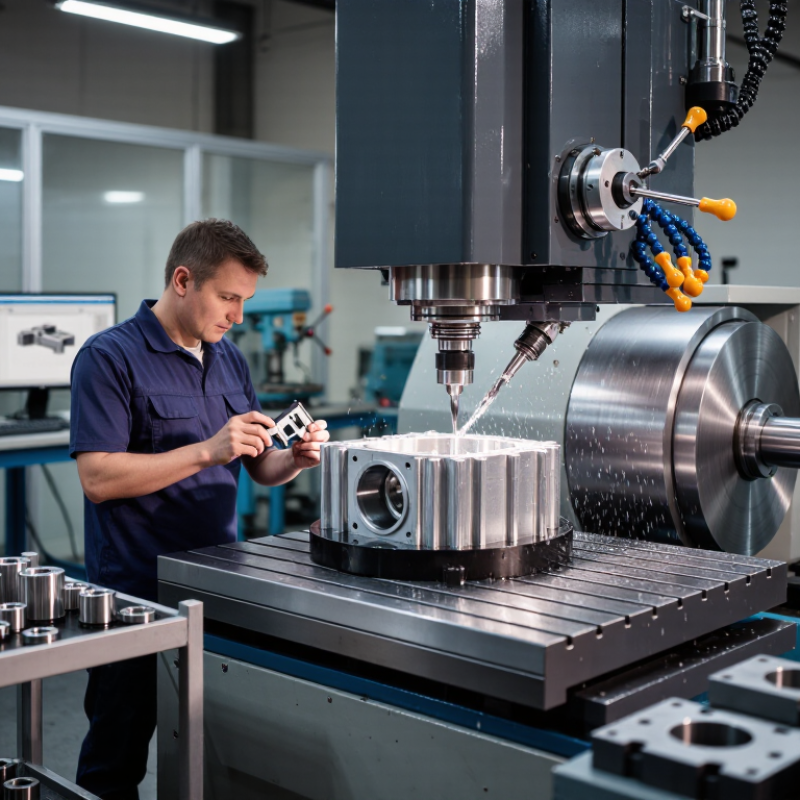
The process begins with a carefully prepared drawing. Operators check dimensions, tolerances, and material behavior before production starts. Software then generates numerical code, often called G-code. The machine follows this code along several axes. A fixture holds the workpiece firmly. Coolant may reduce heat and carry chips away. Small errors matter. One loose clamp can spoil an otherwise accurate part.

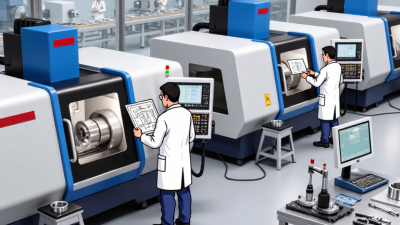
CNC manufacturing supports aerospace components, medical instruments, machine housings, and custom prototypes. It can produce one complex part or thousands of consistent parts. Experienced machinists still inspect surfaces with gauges, probes, and coordinate measuring equipment. Automation improves repeatability, but it does not remove judgment. A tool may wear earlier than expected. A design may look perfect on screen yet require a better cutting angle. That practical feedback often changes the next setup. Precision comes from code, equipment, inspection, and human decisions working together.

The Main Machines, Tools, and Materials Used in CNC Production

CNC machining turns digital drawings into accurate physical parts through computer-controlled movement. It is used for prototypes, machine components, medical instruments, aircraft fittings, and custom production. The process removes material through programmed cutting paths. Accuracy depends on the machine, setup, tooling, and inspection method.

The main machines include CNC mills, lathes, routers, and multi-axis machining centers. Mills use rotating cutters to create slots, holes, pockets, and flat surfaces. Lathes rotate the workpiece while a fixed tool shapes diameters, threads, and shoulders. Routers often handle large sheets of wood, plastics, or composite materials. Multi-axis machines reach complex surfaces with fewer repositioning steps. That reduces errors.

Cutting tools include end mills, drills, reamers, inserts, and taps. Tool geometry matters. A sharp carbide cutter can machine hard alloys efficiently, while high-speed steel remains useful for less demanding work. Common materials include aluminum, stainless steel, mild steel, brass, titanium, engineering plastics, and wood. Each material reacts differently to heat, speed, and cutting pressure. Aluminum may form chips that stick to the tool. Titanium can overheat when cooling is poor. Small details matter.

Operators also use calipers, micrometers, probes, and coordinate measuring equipment to verify dimensions. In practice, a perfect program cannot rescue a poorly clamped part. Tool wear, vibration, and incorrect offsets still cause defects. I have found that checking the first finished piece carefully often prevents a larger production mistake. Yet inspection itself requires judgment, not only numbers.

Common Industries and Products Made with CNC Machining

What Is CNC Machining and Manufacturing Used For?

CNC machining converts digital designs into precise physical parts. Computer-controlled tools cut, drill, mill, or turn materials such as aluminum, steel, titanium, and engineering plastics. Grand View Research estimates that the global CNC machine market reached about USD 88 billion in 2023. That scale reflects demand across many manufacturing sectors.

Aerospace companies use CNC machining for aircraft brackets, engine components, and structural fittings. Medical manufacturers produce surgical instruments, orthopedic components, and custom implant tools. Automotive plants rely on machined molds, transmission parts, brake components, and testing fixtures. Electronics producers also need small housings, heat sinks, and connector parts with consistent dimensions.

The details matter.

In energy production, CNC machines create valve bodies, pump parts, and turbine components. Construction equipment uses them for hydraulic blocks, shafts, and heavy-duty pins. Small workshops often make prototypes, replacement parts, and short production runs. According to the U.S. Bureau of Labor Statistics, machinist employment is projected to change by about 1% from 2023 to 2033, while replacement openings remain significant.

CNC does not remove every manufacturing risk. A wrong tool offset can ruin an expensive titanium part within minutes. Poor fixturing may create vibration marks or hidden dimensional errors. Shop-floor inspection, calibrated instruments, and skilled operators remain essential. I would not treat automation as perfect; material waste, energy use, and programming mistakes still require honest review.

What Is CNC Machining Used For?

CNC machining is used to produce accurate parts for aerospace, automotive, medical, energy, and electronics applications. The chart shows representative products and the typical minimum number of machining axes used to manufacture their geometries.

Two-axis turning is commonly used for rotational parts such as shafts and bushings. Three-axis milling handles many brackets and plates, while four- and five-axis machining is often selected for angled surfaces, impellers, housings, structural aerospace parts, and complex medical components. Actual machine requirements vary by design, material, tolerances, and production setup.

Key Benefits and Limitations of CNC Manufacturing

CNC machining uses computer-controlled tools to cut, drill, and shape materials such as aluminum, steel, plastics, and wood. Manufacturers use it for prototypes, medical components, fixtures, automotive parts, and small production runs. A digital design guides the machine, while cutting tools remove material with carefully planned movements.

The main benefit is repeatability. Once the program and setup are verified, each part can closely match the approved drawing. CNC equipment also produces complex curves, narrow slots, and precise holes that would be difficult to make by hand. It can reduce labor time and support consistent quality across hundreds of parts. In practice, a machined housing may leave the machine with clean edges, measured holes, and minimal adjustment.

That sounds efficient, but it is not automatic perfection. Programming errors, tool wear, vibration, or poor material control can create rejected parts. CNC machining may also waste material because the process often starts with a larger block. Machines, cutting tools, software, and skilled operators require significant investment. Tight tolerances increase inspection time and production costs. A design that looks simple on screen may need several setups, special fixtures, or manual finishing. For that reason, engineers should review manufacturability before approving production. Sometimes a slightly less complex shape performs just as well and costs much less.

What Is CNC Machining and Manufacturing Used For? – Key Benefits and Limitations of CNC Manufacturing

Application Area Typical CNC Processes Common Materials Typical Products or Components Key Benefits Important Limitations
Prototyping
  • CNC milling
  • CNC turning
  • Drilling and pocketing
  • Aluminum
  • Engineering plastics
  • Steel
  • Brass
Functional prototypes, test fixtures, housings, brackets, and mechanical test parts.
  • Produces parts from production-grade materials
  • Supports functional testing before mass production
  • Offers repeatable dimensions from digital CAD files
  • Material is removed rather than added, which can create more waste
  • Complex internal structures may be difficult or impossible to machine
  • Programming and setup may be disproportionate for a single simple part
Aerospace and Defense Components
  • Multi-axis milling
  • High-precision turning
  • Electrical discharge machining
  • Aluminum alloys
  • Titanium alloys
  • Nickel-based alloys
  • High-strength steels
Structural brackets, actuator parts, housings, fittings, and lightweight assemblies.
  • Suitable for tight-tolerance components
  • Can machine difficult-to-cut metals with appropriate tooling
  • Digital programs help maintain consistency across batches
  • Hard and heat-resistant alloys increase tool wear
  • Inspection and documentation requirements can be extensive
  • Deep cavities and thin walls may require specialized strategies
Automotive Manufacturing
  • CNC turning
  • Milling
  • Drilling
  • Grinding
  • Steel
  • Aluminum
  • Cast iron
  • Engineering plastics
Engine and transmission parts, shafts, manifolds, fixtures, molds, and replacement components.
  • Efficient for repeat production
  • Provides consistent hole locations and mating surfaces
  • Works with many automotive metals and plastics
  • Initial programming, workholding, and tooling require preparation
  • Large production volumes may require dedicated automation
  • Chip removal and coolant management must be controlled
Medical Devices and Equipment
  • Precision milling
  • Micro-turning
  • Drilling
  • Finishing operations
  • Stainless steel
  • Titanium
  • Cobalt-chromium alloys
  • Medical-grade polymers
Surgical instruments, orthopedic components, diagnostic equipment parts, and custom fixtures.
  • Supports precise geometries and smooth machined surfaces
  • Can produce customized or low-volume components
  • Compatible with several corrosion-resistant materials
  • Material traceability and process validation may be required
  • Small features can increase inspection and handling difficulty
  • Surface cleanliness and post-processing must be carefully controlled
Industrial Machinery
  • Milling
  • Turning
  • Keyway cutting
  • Threading
  • Carbon steel
  • Stainless steel
  • Aluminum
  • Bronze
Gears, couplings, rollers, shafts, mounting plates, machine guards, and replacement parts.
  • Useful for both replacement parts and repeat production
  • Handles a broad range of part sizes and material types
  • Reduces dependence on manual machining for repetitive features
  • Very large or heavy parts may exceed machine capacity
  • Part design must allow tool access and secure workholding
  • Complex assemblies may require multiple setups
Electronics and Electrical Hardware
  • High-speed milling
  • Drilling
  • Engraving
  • Routing
  • Aluminum
  • Copper
  • Brass
  • Engineering plastics
Enclosures, heat sinks, connector bodies, mounting plates, and instrument panels.
  • Creates accurate mounting holes and connector openings
  • Supports thermal-management features such as fins and channels
  • Allows rapid design changes through CAD/CAM updates
  • Thin walls and delicate features can deform during machining
  • Copper and other soft materials may produce burrs or difficult chips
  • Electrical isolation may require additional design and finishing measures
Tooling, Dies, and Molds
  • 3-axis and multi-axis milling
  • EDM
  • Surface grinding
  • Hole machining
  • Tool steel
  • Pre-hardened steel
  • Aluminum
  • Graphite
Injection molds, stamping dies, forming tools, gauges, and production fixtures.
  • Produces complex cavities, cores, and precision reference surfaces
  • Supports repeatable tooling for downstream production
  • Can combine roughing and finishing in a controlled process
  • Deep narrow cavities may require long tools and multiple setups
  • Hardened materials can increase machining time and tool costs
  • Final polishing may still be necessary for certain mold surfaces
General Benefits of CNC Manufacturing
  • Computer-controlled cutting
  • CAD/CAM data transfer
  • Automated tool movement
Metals, plastics, composites, wood, and selected technical materials, depending on machine configuration and tooling. Prototypes, production parts, custom components, fixtures, molds, and replacement parts.
  • High repeatability after setup and process validation
  • Consistent execution of programmed toolpaths
  • Reduced dependence on continuous manual intervention
  • Flexible production through program changes
  • Capability to produce complex machined geometries
  • Requires skilled programming, setup, and inspection
  • Equipment, tooling, software, and maintenance can be expensive
  • Designs must account for tool access, workholding, and machine limits
  • Material waste can be significant for heavily machined parts

Note: Actual results depend on machine capability, material properties, tool selection, workholding, part geometry, tolerances, surface-finish requirements, and production volume.

How CNC Machining Compares with Other Production Methods

What Is CNC Machining and Manufacturing Used For?

How CNC Machining Compares with Other Production Methods

CNC machining removes material from a solid block using programmed cutting tools. It produces housings, shafts, brackets, medical components, and precision fixtures. In a workshop, operators still inspect tool wear, clamping pressure, and measurements. Software cannot correct every physical mistake. A poorly secured part may shift during cutting, creating visible steps or inaccurate holes.

Compared with manual machining, CNC offers repeatable movement and better production consistency. Manual work can suit one-off repairs, simple parts, or urgent adjustments. However, it depends heavily on operator skill and concentration. CNC usually becomes more practical when a design contains several pockets, angled surfaces, or repeated dimensions. Its cost rises when programming and setup take too long.

CNC also differs from 3D printing and injection molding. Additive printing builds parts layer by layer, making complex internal shapes easier to produce. Yet its surface finish, strength, and dimensional stability may vary by material and process settings. Injection molding can reduce the unit cost of large production runs, but tooling is expensive and design changes become difficult. CNC needs no permanent mold, so it often suits prototypes and small batches. Still, it wastes more material and may require secondary finishing. The best method depends on tolerance, volume, geometry, material, and delivery needs. That decision is less obvious than it first appears.

We Meet Our Clients Needs.

Meeting the diverse needs of our clients, we have complete machining facilities for everything from single part prototypes to large quantity production. Our small size is one of our biggest assets. It allows us to control costs and maintain the highest of standards.

Quality orientated  and delivery always on time or earlier than originally promised.

Strongly recommend MSD.