How to Choose a Manual CNC Machine in 2026?

Choosing a manual cnc machine in 2026 requires more than comparing prices and spindle speeds. A workshop needs equipment that matches its materials, workload, floor space, and operator experience. Steel cutting demands rigidity, while aluminum work may prioritize speed and chip evacuation. Measure the largest parts you expect to produce. Then check the machine’s table travel, spindle clearance, and tooling compatibility.

Small details matter.

A reliable selection process should examine build quality, backlash, control layout, maintenance access, and replacement-part availability. Speak with experienced machinists, inspect demonstration cuts, and request accuracy records from the supplier. A clean test cut on mild steel can reveal vibration, finish quality, and feed control. Do not trust impressive specifications alone. Real performance depends on setup, tooling, lubrication, and operator habits.

The budget needs honest reflection. A cheaper machine may require upgrades, custom tooling, or frequent adjustments. A larger model can waste valuable space and remain underused. The best machine is not always the most advanced one. It is the model that performs consistent work without creating unnecessary complexity. Safety features, training support, warranty terms, and service response should also influence the decision. Some recommendations may change after real production trials. That is not a weakness; it is part of responsible evaluation. In 2026, buyers should balance proven mechanical design with useful modern features, choosing practical capability over marketing language.
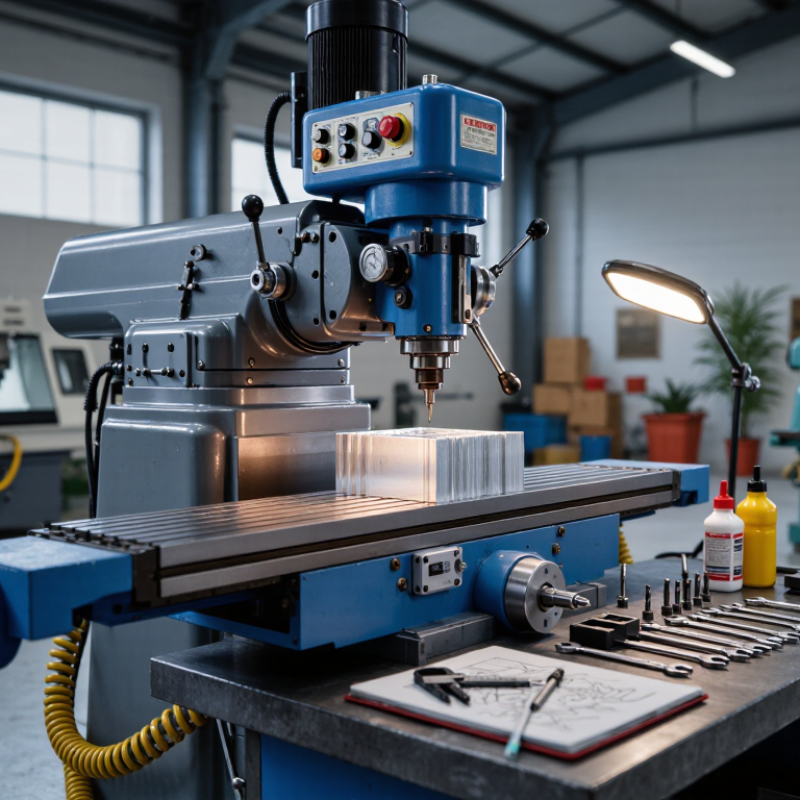
How to Choose a Manual CNC Machine in 2026?

Define Your Machining Needs and Manual CNC Requirements

How to Choose a Manual CNC Machine in 2026?

Define Your Machining Needs and Manual CNC Requirements

Start with the parts, not the machine catalog. List materials, maximum dimensions, tolerances, batch sizes, and required surface finishes. A small aluminum bracket needs different capacity than a steel flange. Record your longest tool, largest workholding fixture, and heaviest workpiece. Measure twice.

Review your actual production history. If most jobs involve three-axis milling, avoid paying for unused complexity. For tight tolerances, check positioning accuracy, repeatability, spindle runout, thermal stability, and inspection methods. ISO 230-1 provides testing principles for machine-tool accuracy, but laboratory figures may not match shop-floor results. Temperature changes, vibration, and operator technique still matter.

The wider CNC machine market is expected to expand at about 8% annually through 2030, according to Grand View Research’s 2024 industry analysis. That growth does not automatically justify a larger machine. Energy use, tooling costs, maintenance access, and training can outweigh purchase price. The U.S. Bureau of Labor Statistics also projects continued pressure on machining employment, increasing the value of simple controls and efficient operator training. Keep it practical. Test sample parts before ordering. A machine that feels impressive may still be awkward for daily setups. Ask whether its travel, spindle range, control interface, coolant system, and electrical supply fit your workspace. Leave room for mistakes; real production is rarely as clean as the spreadsheet.

Compare Machine Types, Sizes, and Axis Configurations

How to Choose a Manual CNC Machine in 2026?

Compare Machine Types, Sizes, and Axis Configurations

Choosing a machine starts with the parts you actually make. A benchtop mill can suit small aluminum brackets, engraving, or compact workshop jobs. A floor-standing mill offers more travel and a heavier frame for larger workpieces. Lathes are better for shafts, bushings, and other rotational parts. Check the work envelope, not just the machine’s outside dimensions. A vise, tool, and clamp all need room. I have seen buyers overlook that detail; it is an easy mistake.

Axis configuration affects both capability and learning time. Three-axis machines handle many flat faces, pockets, and drilled patterns. A fourth axis can rotate a part for work on multiple sides, but adds setup and programming demands. Five-axis movement reaches complex angles, though it may be unnecessary for simple parts. More axes are not automatically better. Consider material, part geometry, required tolerances, and available floor space before comparing options.

Tips: Measure your largest typical workpiece, then allow clearance for fixtures and tool changes. Ask to see a sample cut in your material, and inspect the finish and repeatability. Check control usability, service access, and training needs. A machine that fits your daily workflow may outperform a larger, more complicated one. Leave some room for future work, but be realistic; plans change.

Evaluate Spindle Power, Accuracy, Materials, and Controls

Choosing a manual CNC machine in 2026 starts with the work you expect it to do. Check spindle power against your toughest routine cut, not just the machine’s advertised maximum. A small cutter in aluminum needs less torque than a larger tool cutting steel. Listen for changes in sound during a test cut, and watch for chatter or heat. More power is not always better. A heavier spindle may add cost without improving your usual parts.

Accuracy should be judged with measurements, not promises alone. Ask for repeatability figures and test them on a simple part with a bore, a flat face, and two matching holes. Use a micrometer or dial indicator to check the result. Materials matter, too: confirm that the frame, table, and spindle suit your stock size and cutting forces. A compact machine can handle useful work, but thin supports may vibrate under load. That detail is easy to miss.

Controls should feel clear during ordinary tasks. Can you set an origin, adjust feed, pause safely, and recover from a mistake without searching through confusing menus? Try these actions yourself if possible. Small details matter. Also consider training, documentation, and service access; a capable machine is less useful when basic troubleshooting becomes a guessing game. I would leave room in the budget for tooling and setup. That part is often underestimated.

How to Choose a Manual CNC Machine in 2026?

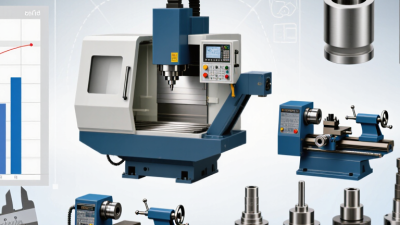
A practical evaluation framework for comparing spindle power, accuracy, material needs, and controls.

Suggested decision weights, not measured market data. Adjust them to suit your parts: material compatibility and accuracy matter most when machining demanding materials or holding tight tolerances. Check manufacturer specifications and test cuts for actual performance.

Check Installation, Safety, Maintenance, and Operator Skills

Before buying a manual CNC machine in 2026, check the installation site, not just the machine specifications. The floor must support the machine’s weight without rocking; a machinist’s level can reveal small errors that affect accuracy. Confirm doorway clearance, electrical supply, coolant handling, lighting, and space for safe loading. Ask the supplier for foundation and commissioning requirements in writing. A rushed installation can leave alignment problems that are expensive to diagnose later. It happens.

Safety features deserve a hands-on check. Test emergency stops, guards, interlocks, and chip-control arrangements before production. The U.S. Bureau of Labor Statistics reported 2.8 recordable injury and illness cases per 100 full-time workers in manufacturing in 2023. That broad industry figure is not a machine-specific risk estimate, but it underlines why routine checks matter. Maintenance access matters, too: operators need clear procedures for lubrication, cleaning, tool inspection, and lockout before servicing.

Operator skill is part of the purchase decision. Ask who can set tools, read drawings, enter offsets, and recognize chatter or unusual vibration. Deloitte and The Manufacturing Institute projected that 3.8 million manufacturing jobs could be needed in the United States by 2033, with 1.9 million potentially unfilled. Training time should therefore appear in the budget, not as an afterthought. A capable operator still needs practice on the actual machine. Even a good checklist misses things.

Calculate Total Cost and Choose the Right 2026 Model

Choosing a manual CNC machine in 2026 requires more than comparing the purchase price. Calculate the total cost of ownership first. Include tooling, freight, installation, training, software, maintenance, coolant, electricity, and financing. A machine priced at $28,000 may require another $8,000 before producing its first part. That number surprises many workshops.

The 2024 Grand View Research analysis projects steady growth in the global machine-tools market through 2030. Demand is rising, but higher demand does not justify buying excess capacity. The U.S. Bureau of Labor Statistics reported machinists’ median hourly pay near $25 in 2023. Therefore, setup time matters. A simpler control system may save training costs, while poor access to fixtures can increase labor expenses every week. Measure your real workflow.

Use a five-year spreadsheet. Divide purchase, installation, and financing costs by expected production hours. Then add hourly labor, tooling replacement, energy, inspection, and service costs. The U.S. Department of Energy identifies motor-driven equipment as a major manufacturing electricity user, so compare spindle efficiency and standby consumption. Ask for service response times and spare-part availability. Very important.

For a small shop, choose the model that fits typical materials, workpiece size, tolerance, and monthly hours. Do not pay for an oversized table you rarely use. I once underestimated fixture costs; the machine was capable, but the process was awkward. That mistake remains worth remembering. Also calculate resale value conservatively. Market forecasts can be optimistic. Your local workload is the stronger evidence.

We Meet Our Clients Needs.

Meeting the diverse needs of our clients, we have complete machining facilities for everything from single part prototypes to large quantity production. Our small size is one of our biggest assets. It allows us to control costs and maintain the highest of standards.

Quality orientated  and delivery always on time or earlier than originally promised.

Strongly recommend MSD.